Work on your biceps and, after a while, you’ll be able to show off your muscles with pride. Cycle against the wind every day – or get yourself an exercise bike – and before long the circumference of your thighs will have increased considerably. What you get is what you see. Carrying out such targeted physical activities is only possible when a connection can be made with the muscle or muscles in question. Trivial, I hear you say.
A breakthrough moment in my understanding of physicality occurred during a train journey between Haarlem and Leiden. Looking out of the window, I suddenly became aware – probably due to a change in the light – of my face reflected in the glass. Suddenly, I understood the location, and thus the function, of the tiny muscles that enable me to move my ears. Despite countless attempts, I had never before managed to make them move even the slightest bit. I had, in effect, resigned myself to the fact that this lay beyond my physical capabilities. The muscles required were certainly rudimentary and evolutionarily superfluous and had disappeared. But now it turned out that they were indeed physically present; it was simply their use that had fallen into oblivion.
Muscles that are visible and can be touched can usually be brought to the forefront of one’s awareness with relative ease, and thus activated or relaxed as desired. When you put muscles to work, they provide sensory feedback; they become warm and, after a while, tired, and you may experience some muscle soreness the following day. All these sensations bring the muscle or muscles into even sharper focus, which further unlocks their potential.
Not only in the practice of sport but also in sports education and the study of anatomy, the ability to sense, see and touch muscles and other parts of the body are key factors. However, body awareness is not distributed evenly across the body. This has biological, cultural and social causes and is specific to each individual. The head is usually much better known than the feet. The front of the body is often more familiar territory than the back. And what lies on the surface is generally easier to grasp than what lies deeper.


The Chinese character 胯 ‘kua’ can be translated as ‘hip’, but also as ‘crotch’ or ‘groin’. We experience the hip, in all its complexity, on the outside of the body. Perhaps it is more accurate to say that the ‘function of the hip’ is located on the outside and, in that sense, is tangible and visible. The hip is by far the largest of the joints in the human body. It marks the transition between the torso and the legs, and its stability and mobility are crucial to our overall health. There does not seem to be too much misunderstanding about its ‘how’, ‘what’ and ‘where’.
How different is the situation with ‘crotch’ and ‘groin’? They lack the solid, concrete quality of the ‘hip’. They seem rather to denote negative space – folds rather than bulges. More the absence of anatomical mass than its presence. The groin, crotch and perineum are therefore less straightforward to explain in anatomy and sports education. Add to this their association with vulnerability, shame and sexuality, and it is clear that they do not feature prominently in such contexts.
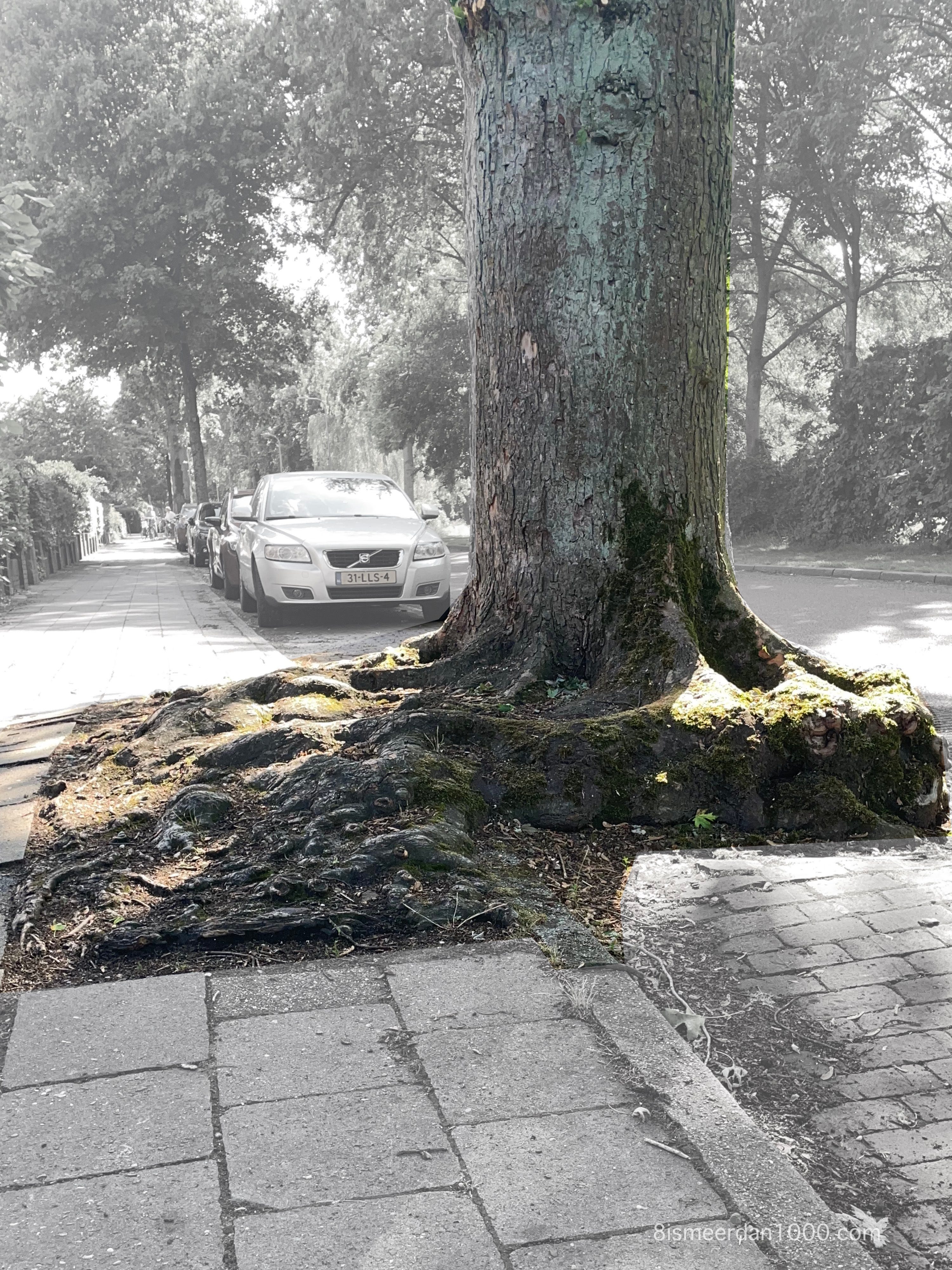
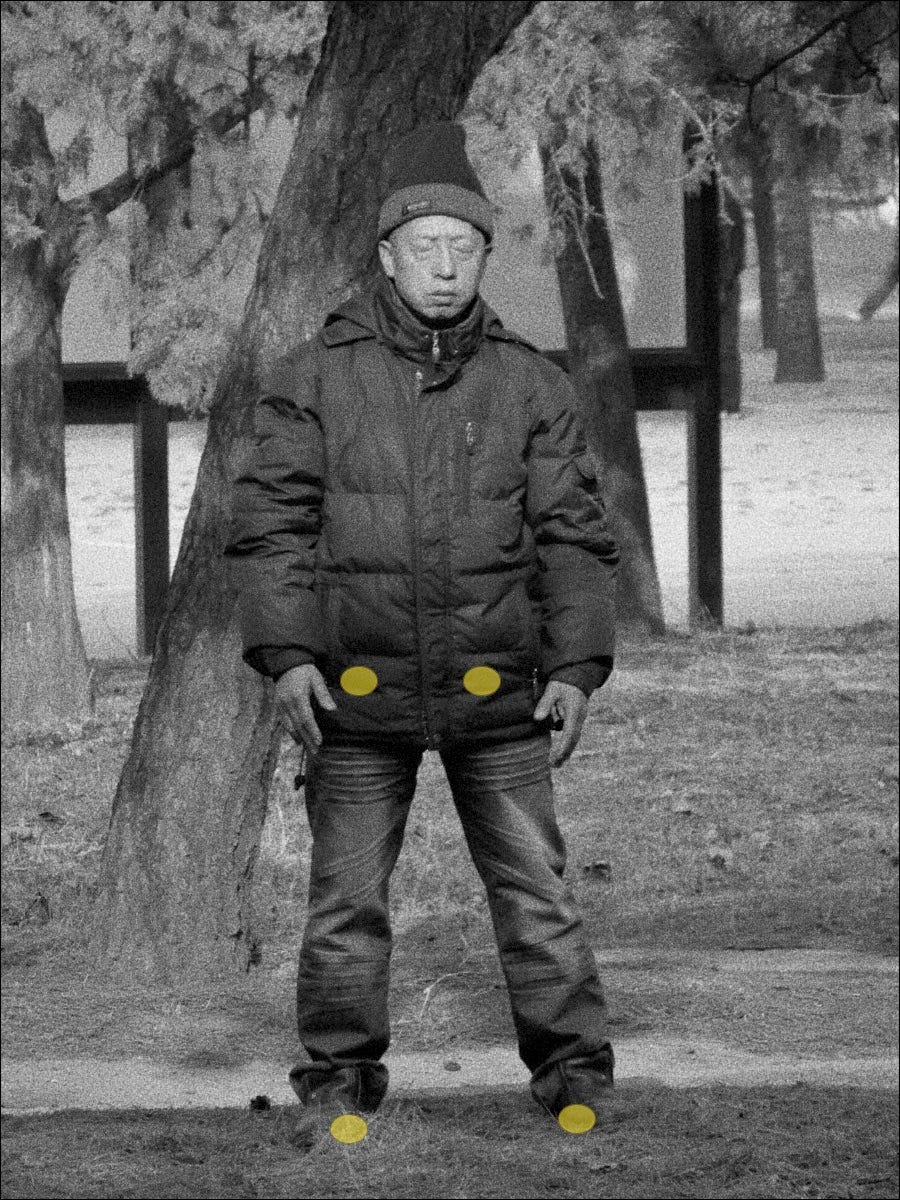
Within chi kung and the internal martial arts, the ‘kua’ – meaning the groin, crotch, perineum and ‘open, negative space’ – plays a crucial role. If gravity is to reach the ground freely whilst standing, it must pass through the ‘kua’ . If not, the body becomes top-heavy and lacks grounding. This applies equally to the reaction force directed straight upwards: if it encounters too much resistance in the ‘kua’, the body lacks lightness and space.
When the body is in motion, the ‘kua’ plays a similar role in the forces of downward push-off and upward jumping.


The ‘opening and closing of the kua’ is an essential aspect of practice and cultivation for every chi kung and tai chi practitioner. The better one masters this, the more the body moves as one.


Do not view the ‘kua’ in isolation from the rest of the body, or even separately from the body’s surroundings.
The feet push off against the ground, after which the forces generated pass through successive parts of the body: starting at the ball of the big toe, then the medial arch of the foot, the talus, the inner ankle, the medial tibia, the medial thigh, the ‘kua’ and on through the torso and upper body. The source of the upward-directed force and movement lies at the ball of the big toe, which is surrounded by three important energy points: 湧泉 ‘yong chuan’, 太沖 ‘tai chong’ and 太白 ‘tai bai’.
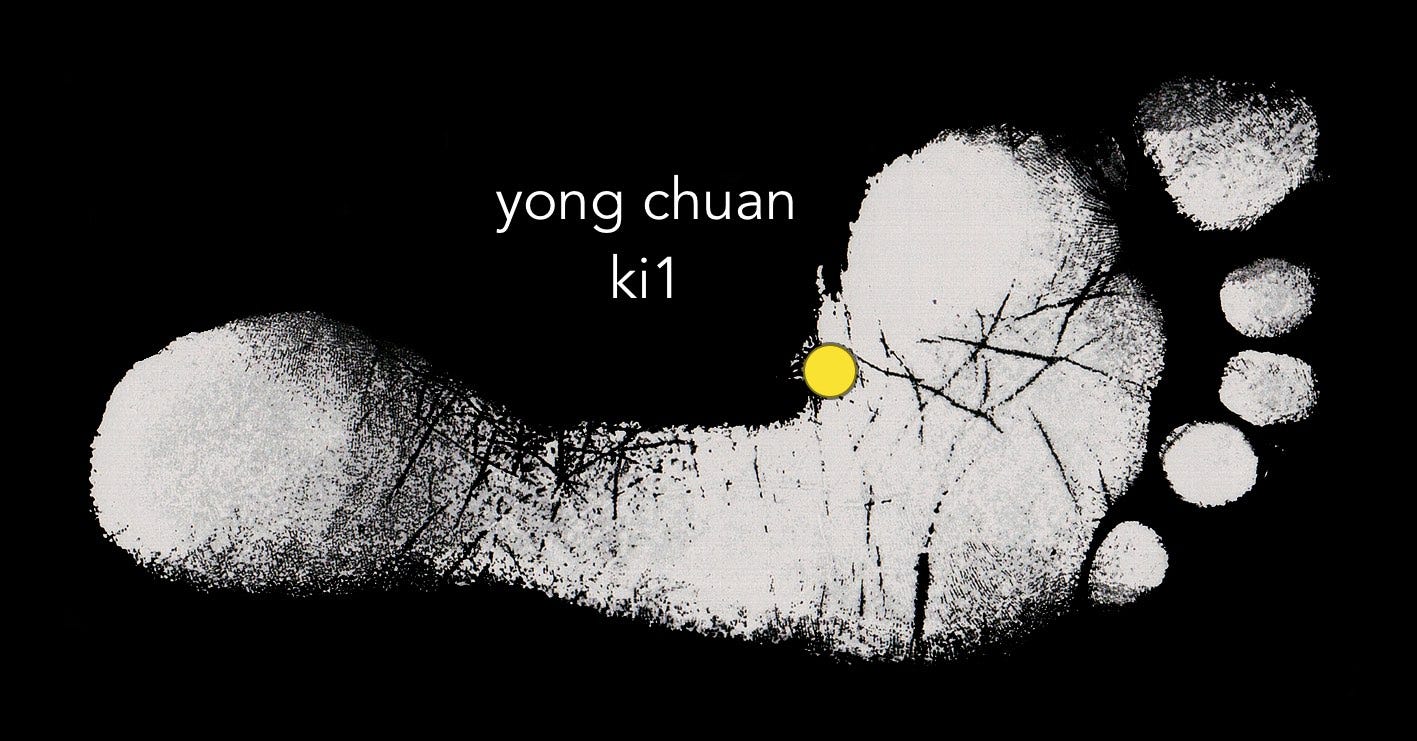
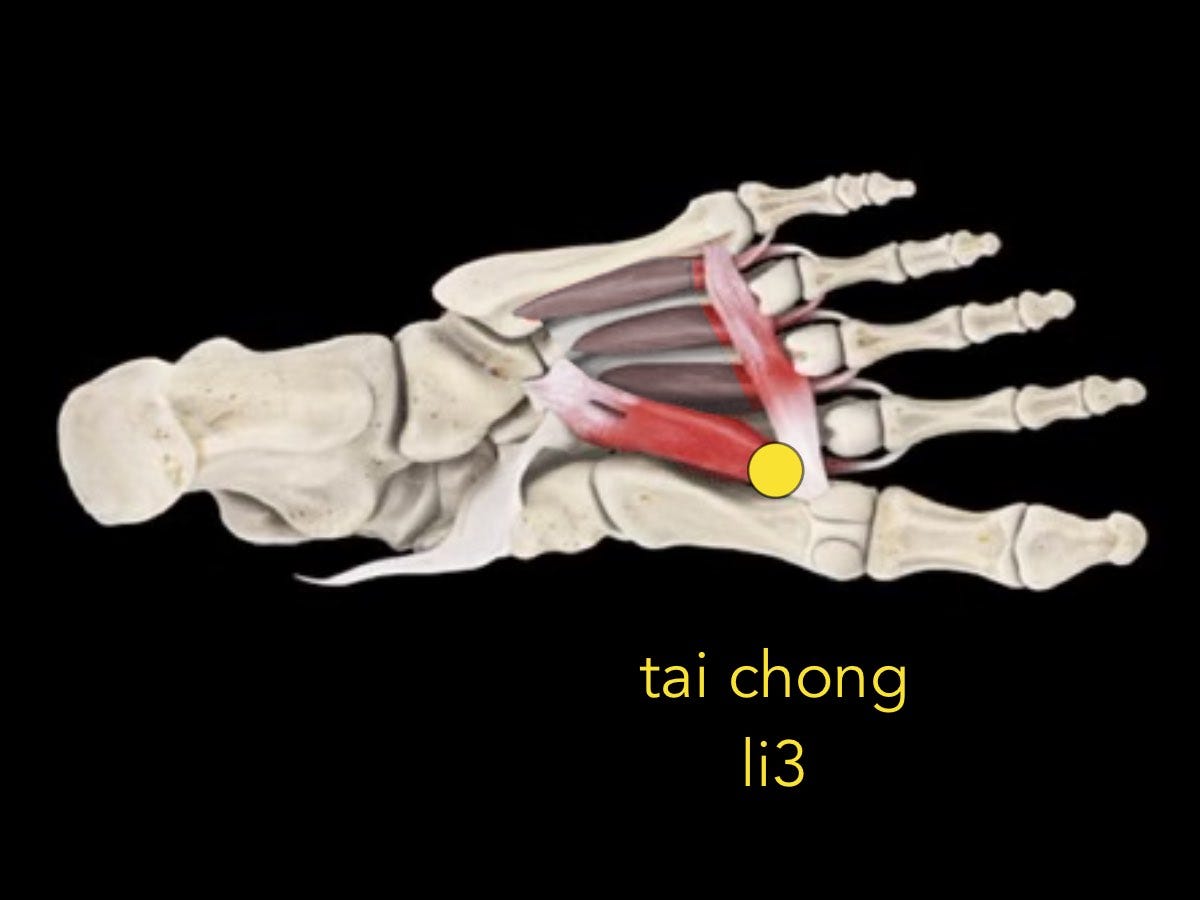
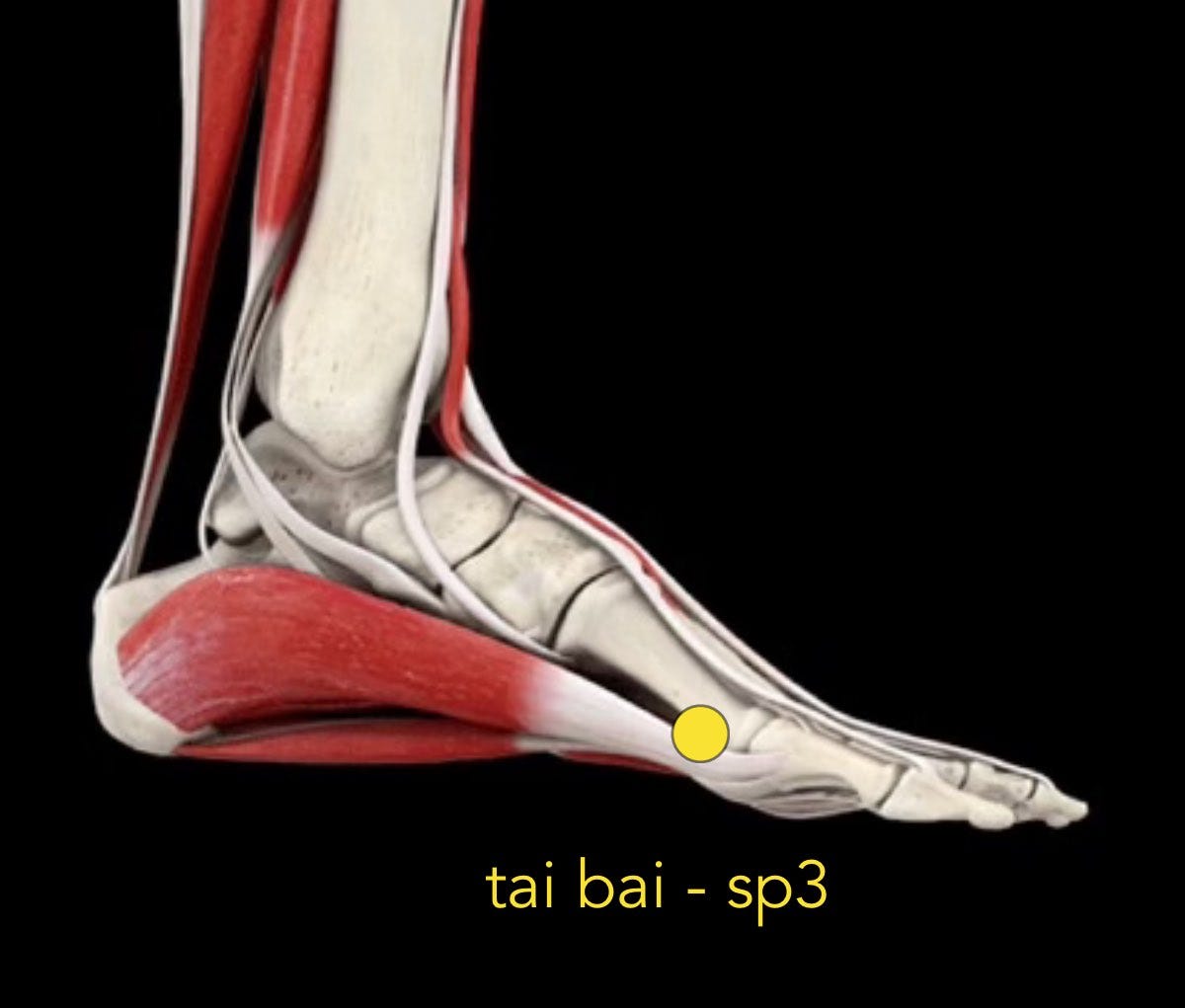
Each of these three points lies on a meridian that follows a specific path of force and movement. In much the same way as a riverbed determines the course of the water. These three meridians are located on the inner side of the legs and channel the forces reflected by the ground. There are two reasons why they are referred to as ‘yin meridians’.
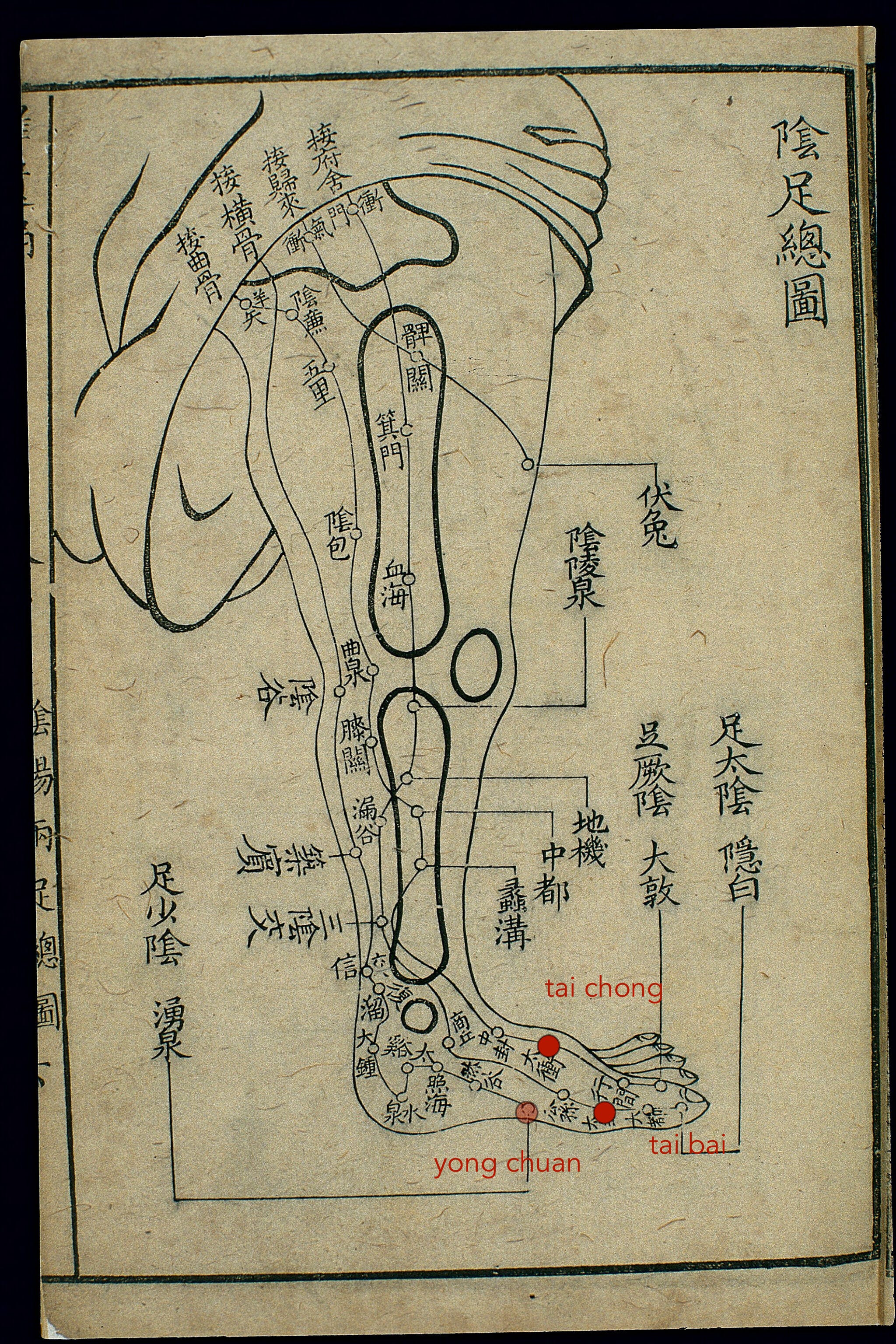
Starting with the practice of the wu chi posture and continuing with all the basic and applied zhan zhuang postures, special attention is paid to grounding the body via the ball of the big toe. The alignment of the big toe, the space between the big toe and the second toe, the horizontal spread of the toes, and the correct distribution of pressure between the heel and the forefoot are all important in this regard. This same grounding carries through into all shi li and zhou bu movements.
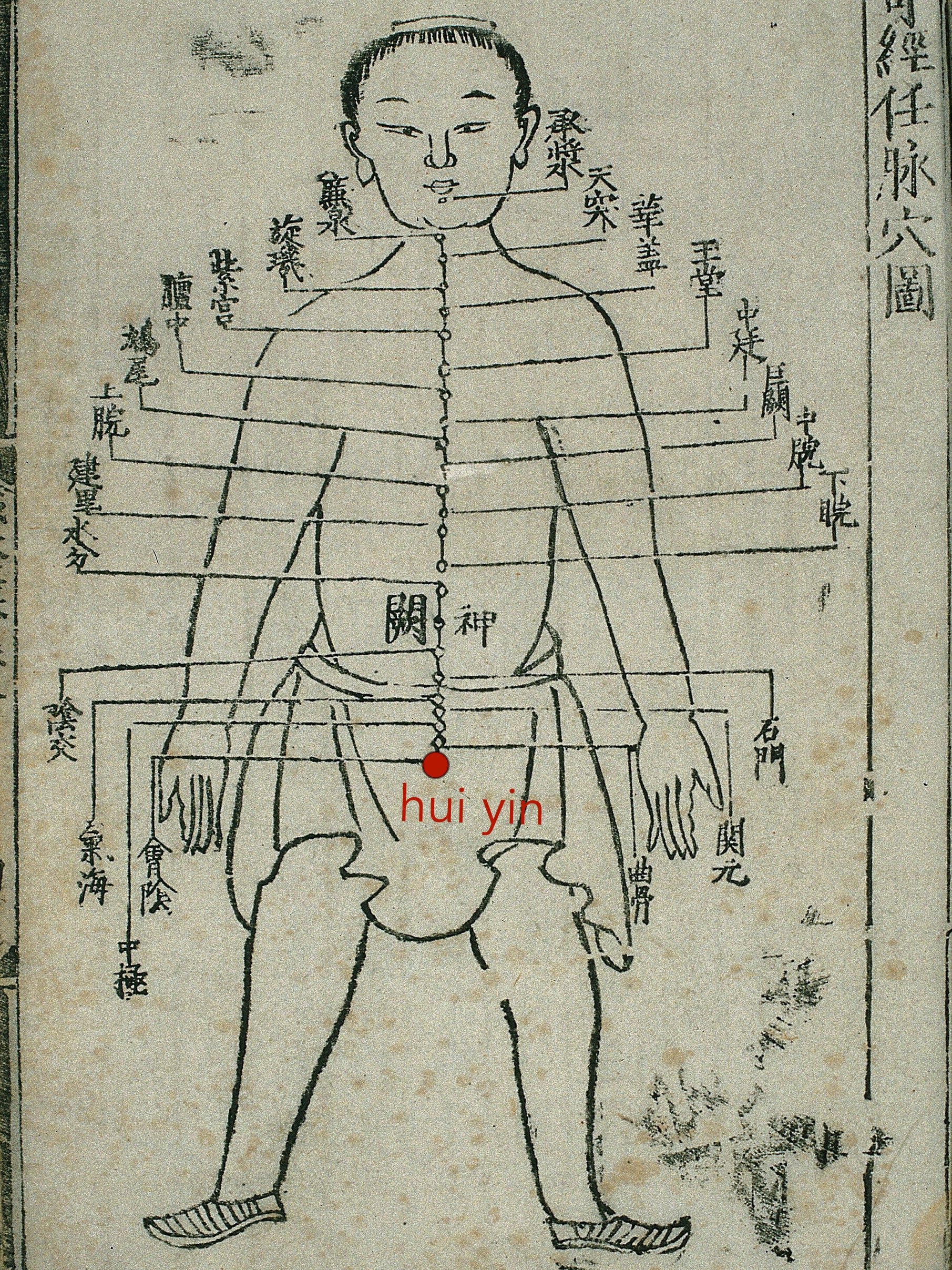
Vanaf ‘yong chuan’, ‘tai chong’ en ‘tai bai’ verlopen de krachten volgens de drie min of meer parallelle geleidingsbanen over onder- en bovenbeen en convergeren in het perineum. Heel specifiek, in 會陰 ‘hui yin’, het centrale punt van het perineum. De naam betekent ‘yin convergentie’ of ‘yin samenkomst’.
confluence(n.) early 15c., ‘a flowing together, especially of two or more streams,’ from Late Latin confluentia, from Latin confluentem (nominative confluens), present participle of confluere ‘to flow together,’ from assimilated form of com ‘with, together’. etymonline.com Koblenz, town in Germany at the confluence of the Rhine and the Mosel, derived from the Roman name Confluentes.
A second convergence point of the three yin meridians is found in the centre of the groin: 氣沖 ‘chi chong’. ‘Chi’ 氣 means ‘energy’, the same character as in 氣功 ‘chi kung’. ‘Chong’ 沖 is translated into English as ‘flush’. So: ‘chi chong’, ‘flushing chi’, ‘the flow of energy’. Just as a dammed river finds its way through an open sluice. Just as the water accelerates when the river is forced through a canyon. And yes, just like flushing a toilet and rainwater thundering down a drainpipe during a downpour.
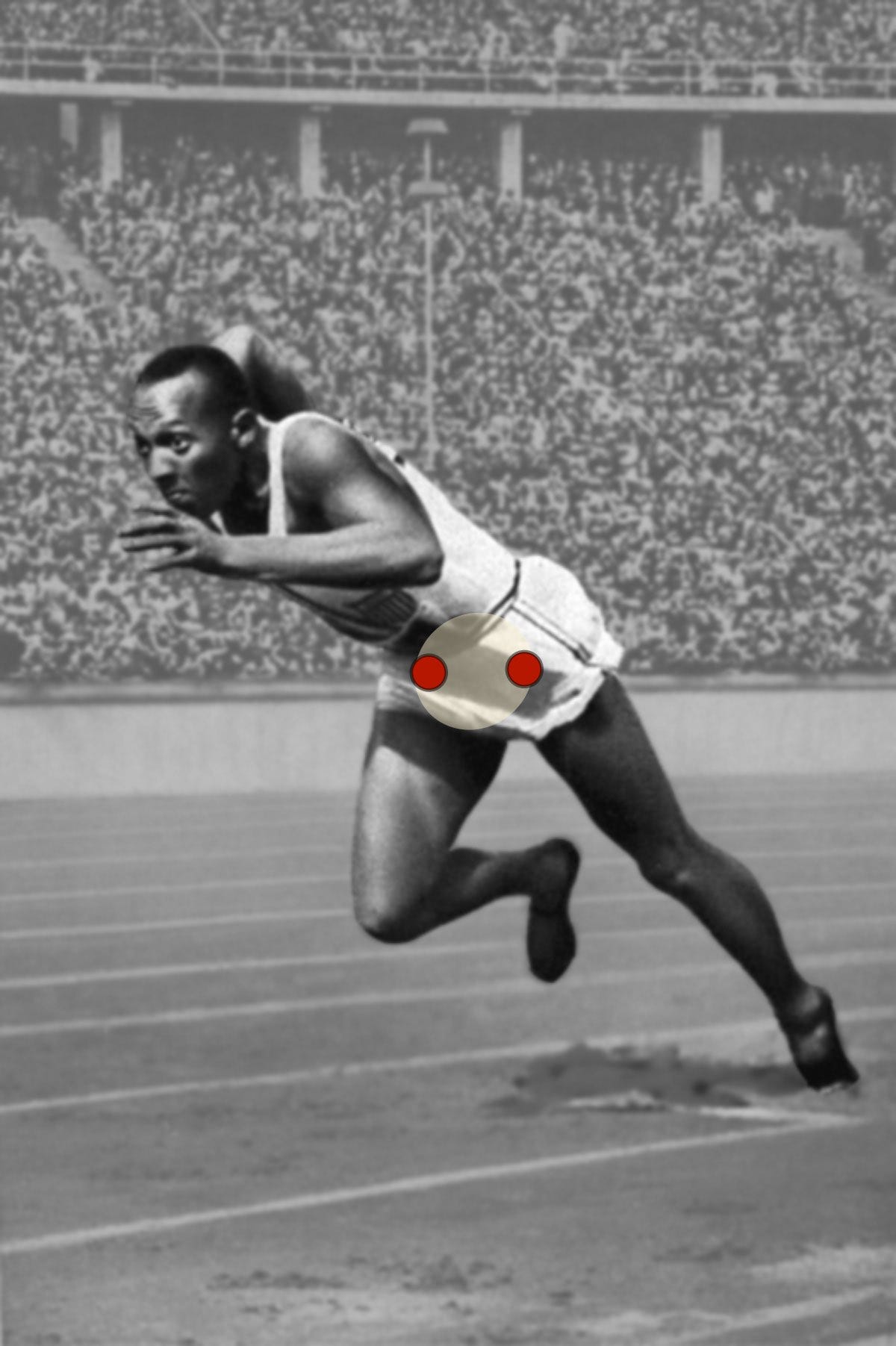
Bending and stretching the hip of a body that is floating is pointless. It will not result in a jump or any other movement in space. Opening and closing the ‘kua’ only have meaning in conjunction with the grounding of the foot. The ‘kua’ and the dynamics around the ball of the big toe are both part of a single energetic phenomenon.
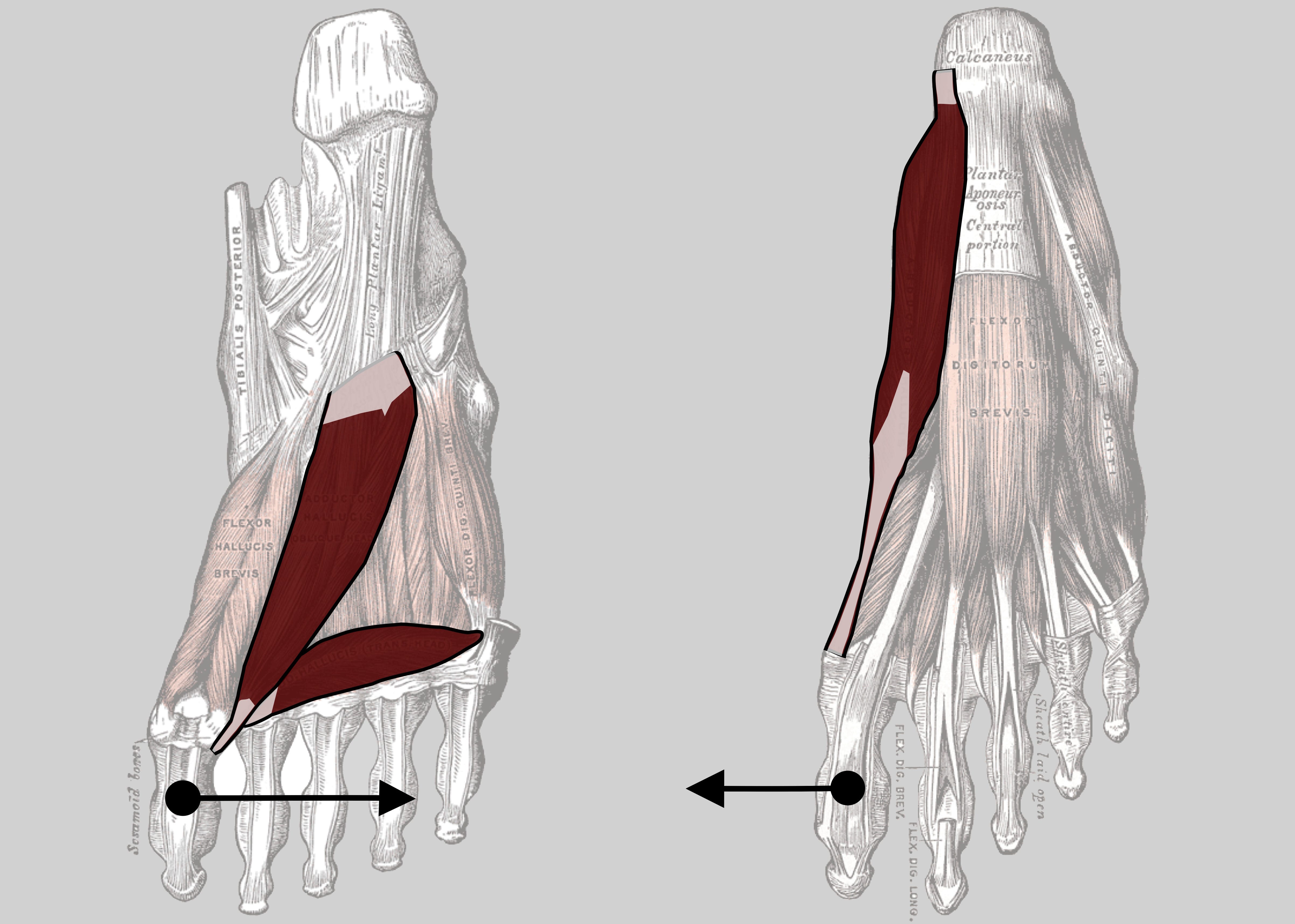
‘Tai chong’, translated as ‘greater flushing’, is located between the metatarsal bones of the big toe and the second toe, in the centre of the adductor hallucis muscle. This muscle brings the big toe closer to the second toe. Chronic tension in the adductor muscle of the big toe, combined with footwear that is too narrow, leads to hallux valgus. This significantly disrupts the foot’s grounding and the efficiency of movement.


The antagonist of the adductor hallucis is the abductor hallucis muscle. This is situated on the medial side of the big toe, and ‘tai bai’ is located along its course. The adductor hallucis can cause the big toe to move inwards, away from the second toe. The balance between ‘tai chong’ and ‘tai bai’, in other words between the adductor and the abductor hallucis, helps determine the alignment of the big toe and, consequently, the natural functioning of the ‘kua’.