

This is a follow-up to 2 x SLEEP.
You’re walking down the street and you hear hurried footsteps behind you. You turn around and get the fright of your life. Someone is running towards you, someone you’d rather avoid. You start running. Faster and faster you go. Then you spread your arms, make some subtle twisting movements with your forearms and hands. There you go, you lift off the ground, you feel the air carrying you, just as the earth always supported your body before. You look over your shoulder again, now diagonally downwards, and see your pursuer staring at you in amazement, mouth agape. What a wonderful sensation! And how simple. You had always imagined flying to be much more complex. Now it’s important to pay close attention, to take everything in detail, so that you can share the secret of flying with your friends later. Just not with that idiot you had an argument with yesterday. And as soon as you think of that person, your eyes open. You wake up from the dream. You make frantic attempts to return to the fantastic flying, to the continuation of the adventure. The more you try, the more that path back to the dream closes.
The girl you secretly fell in love with was unattainable; she seemed to have no interest in you whatsoever. But now everything has changed. After a series of events, she turns around and leans towards you. To give you a kiss. It can’t be, can it? Just before it happens, just before what you had hoped for but never dared to dream of, a voice calls out: ‘Wake up! You’re going to be late for school!’ The story fades and disappears.

Darkness and Light. Chapters 29 and 30 describe the worlds of the subconscious and the conscious, respectively. But not as two domains that are mutually exclusive and separated by a hermetic barrier. The hexagram of Dark consists of a doubling of the Water trigram: two dark, broken lines with a bright light line hidden in their midst. How else would the dream be remembered after awakening?
And in the hexagram of Light, there are two identical trigrams in which two bright lines enclose one dark line. The incongruity of the dream in a flash, a fragment of a familiar unknown scent, a distant memory.
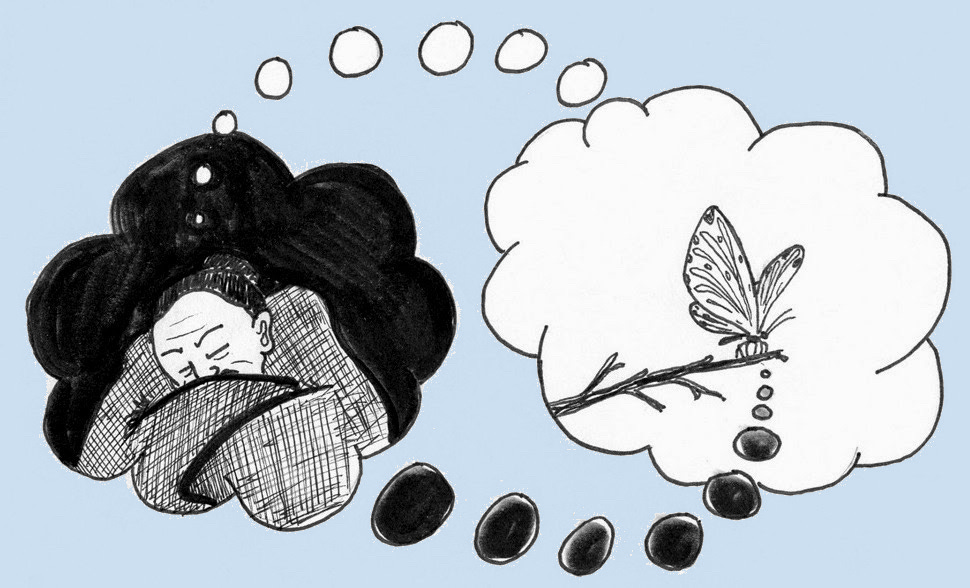
Once Zhuang Zhou dreamed he was a butterfly, a butterfly flitting and fluttering around, happy with himself and doing as he pleased. He didn’t know he was Zhuang Zhou. Suddenly he woke up, and there he was, solid and unmistakable Zhuang Zhou. But he didn’t know if he were Zhuang Zhou who had dreamed he was a butterfly or a butterfly dreaming he was Zhuang Zhou. Between Zhuang Zhou and a butterfly, there must be some distinction! This is called the Transformation of Things.
The Complete Works of Zhuangzi - Burton Watson
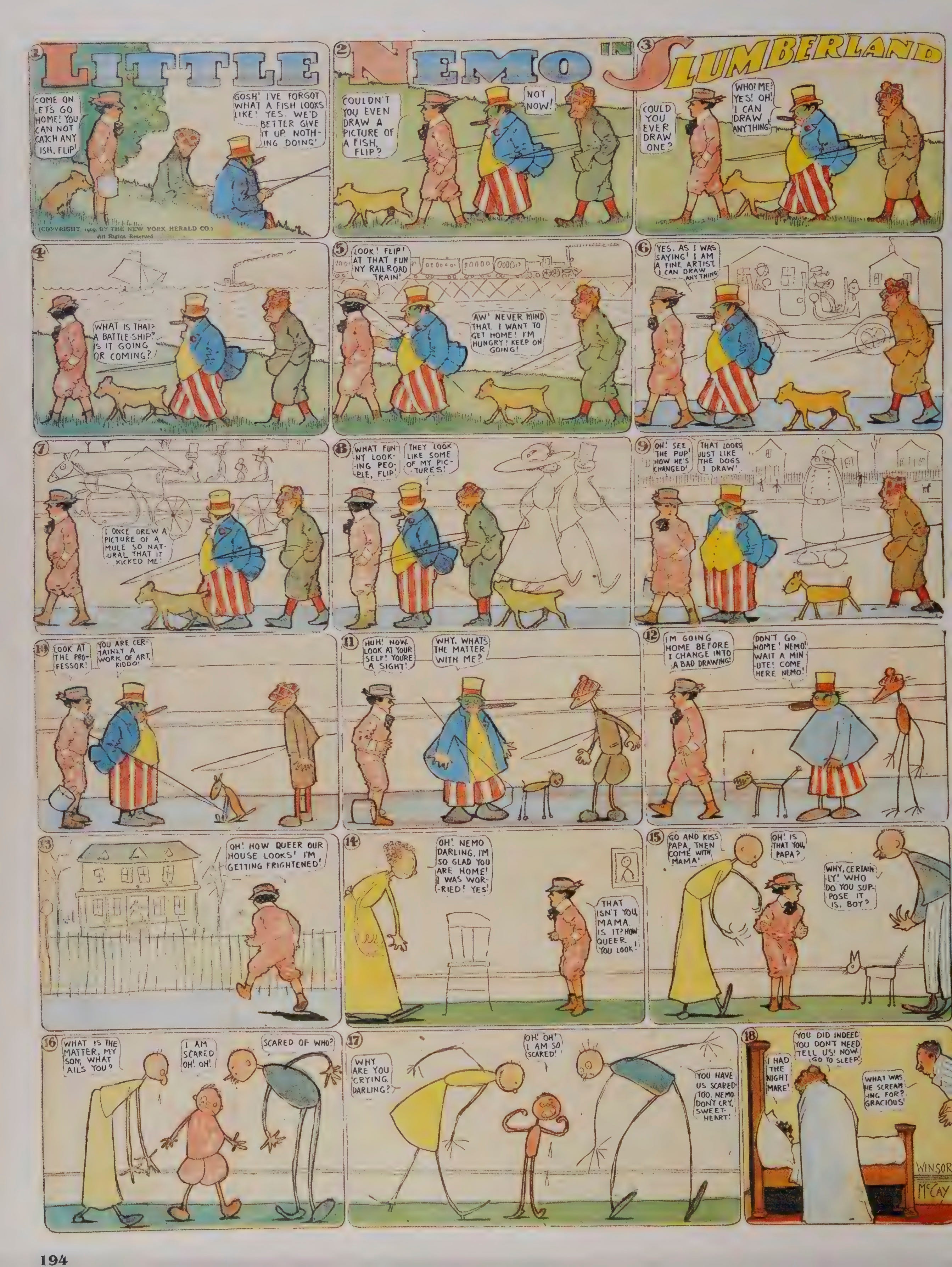
In every episode of the unsurpassed comic strip Little Nemo in Slumberland, little Nemo, ‘nobody’ in Latin, falls into a deep sleep. He enters the wonderful Slumberland, ruled by King Morpheus. Nemo’s fervent wish is to meet Morpheus’ daughter, the princess of Slumberland, so that they can become playmates. Indeed, who wouldn’t want that?
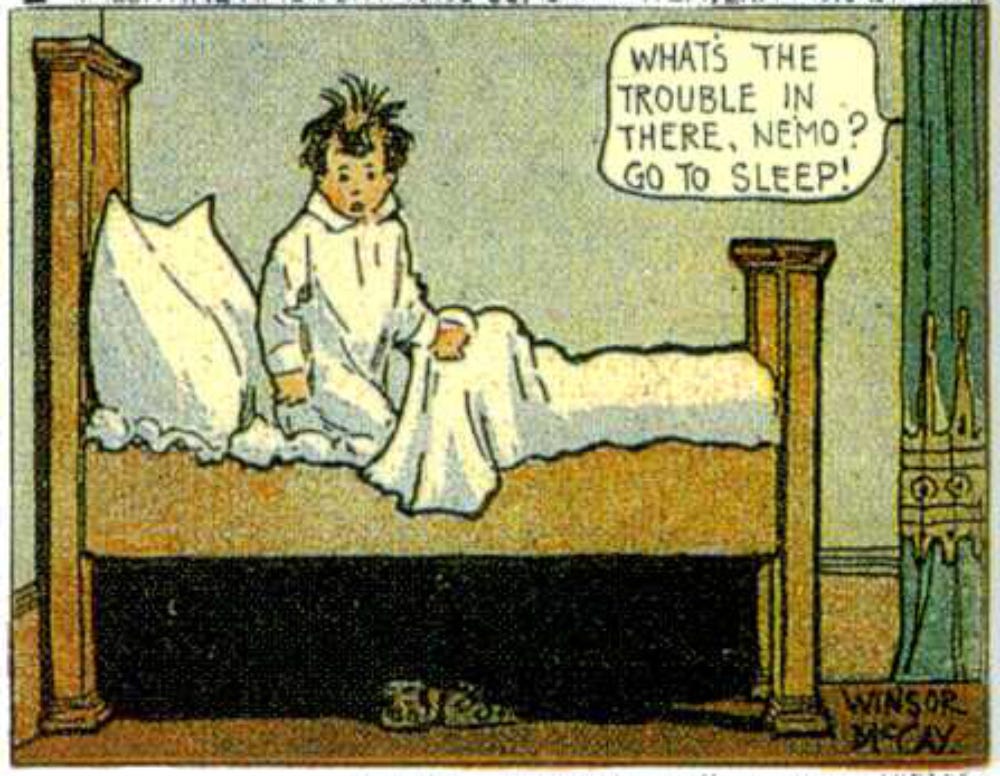
A weekly instalment of the adventure appeared in the newspaper, initially in the New York Herald. And each instalment ends with Nemo waking up from his dream. By falling out of bed, or from stomach ache, from having eaten too much cheesecake at dinner. However, the main disruptor in his adventures in Slumberland and in meeting the princess is Flip.
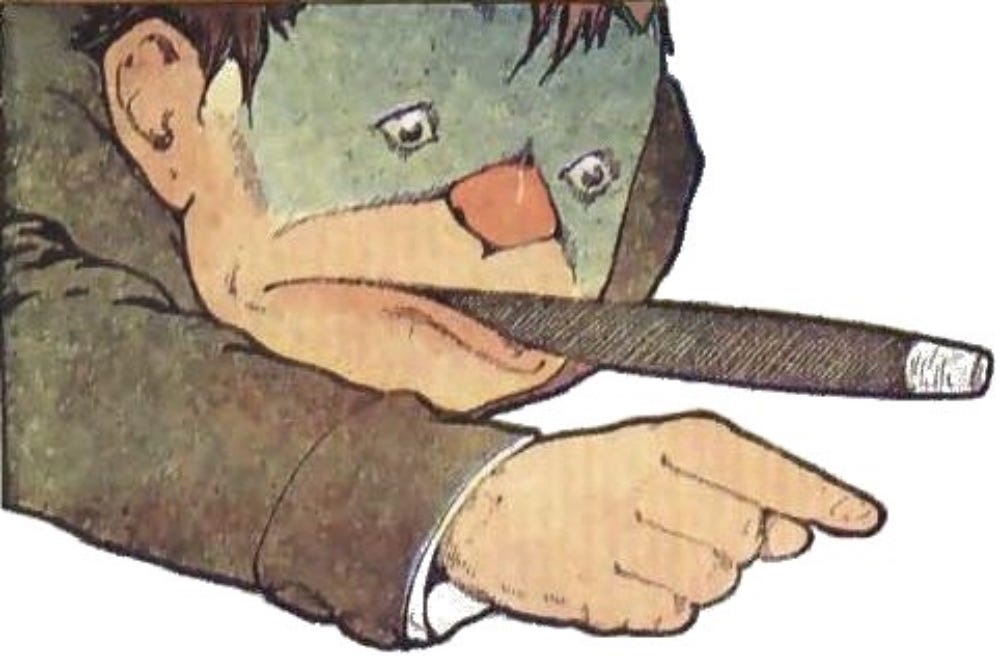
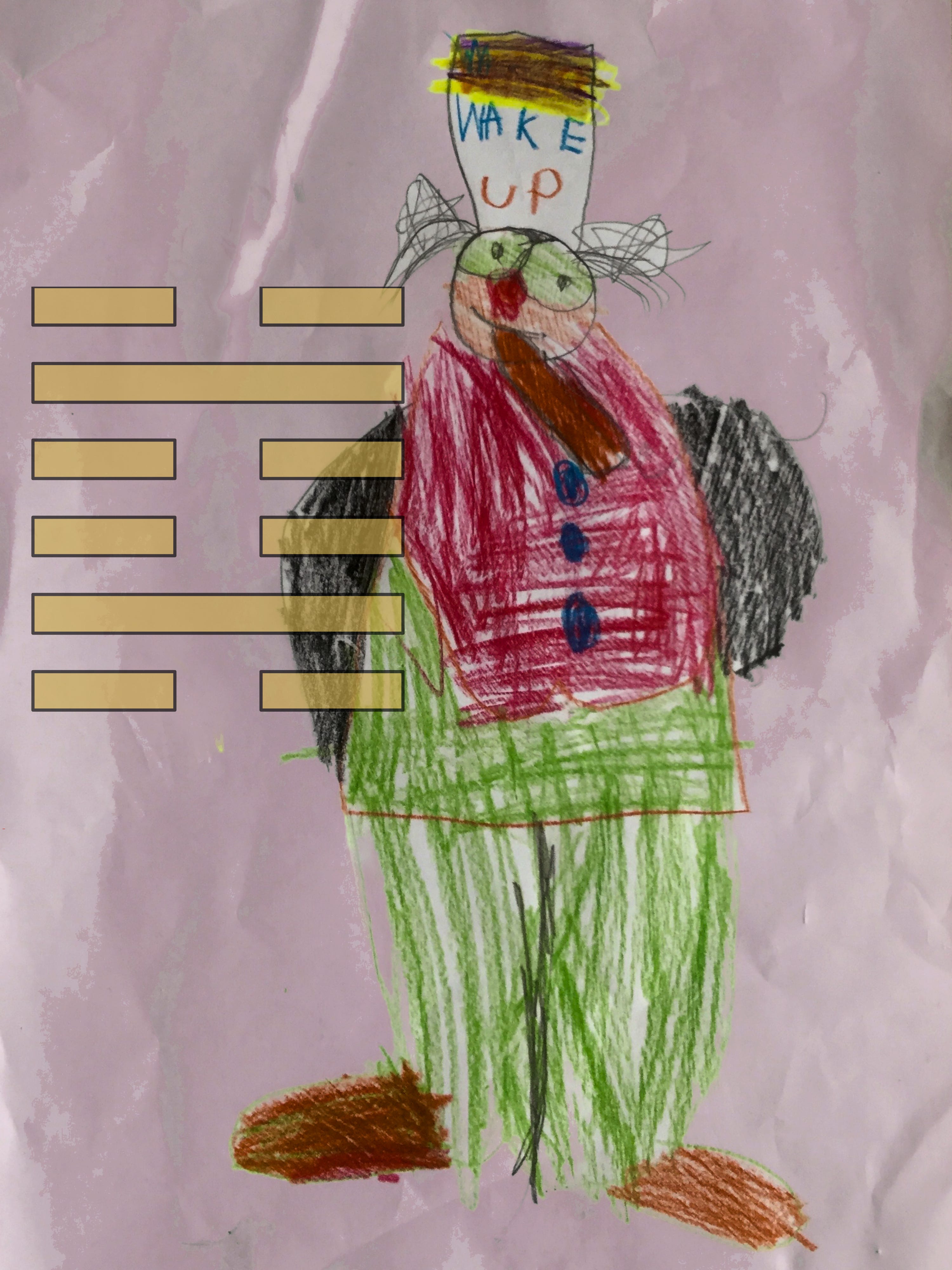
Flip is an amiable braggart. He always smokes a large cigar and his top hat has wake up! written on it. Flip is the nephew of the Dawn Guard and although Nemo and Flip get along well, it is inevitable that he repeatedly disrupts Nemo’s dream.
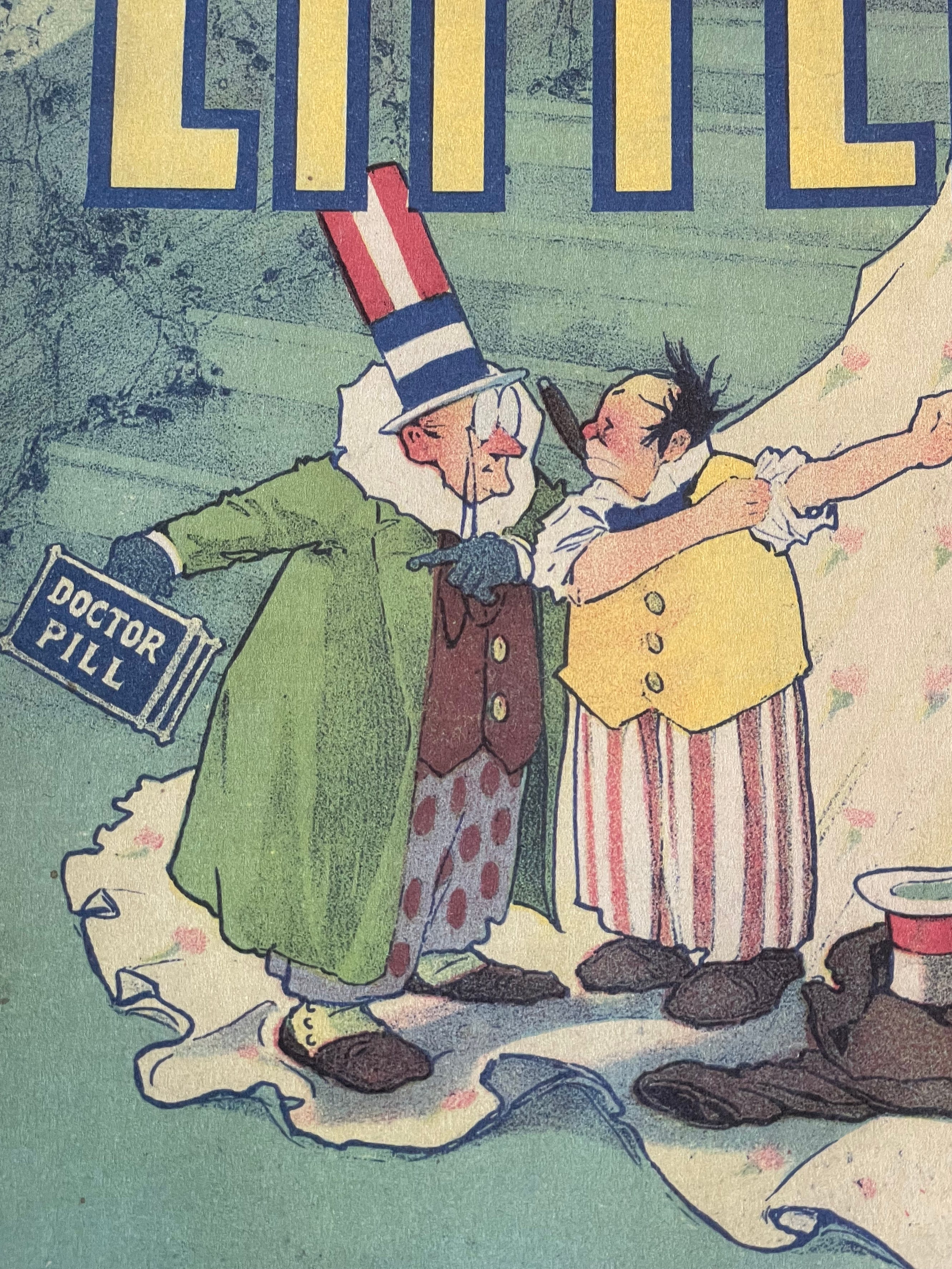
To flip a coin. To flip a pancake. Flip a switch. Flip your opinion. The situation flipped overnight. Flipping out. Flip is change, abrupt change. The unexpected plot change that takes everything in a different direction. Flip is that annoying alarm clock that ruins that fantastic dream story. But Flip is also the clarity that conveys the images and deep insights of the dream world to the prosaic reality of daytime. Without Flip, without the sudden awakening, the dream would never find its way to the day, the domain of Light. Even if it is usually just a hint. A wisp of cigar smoke.
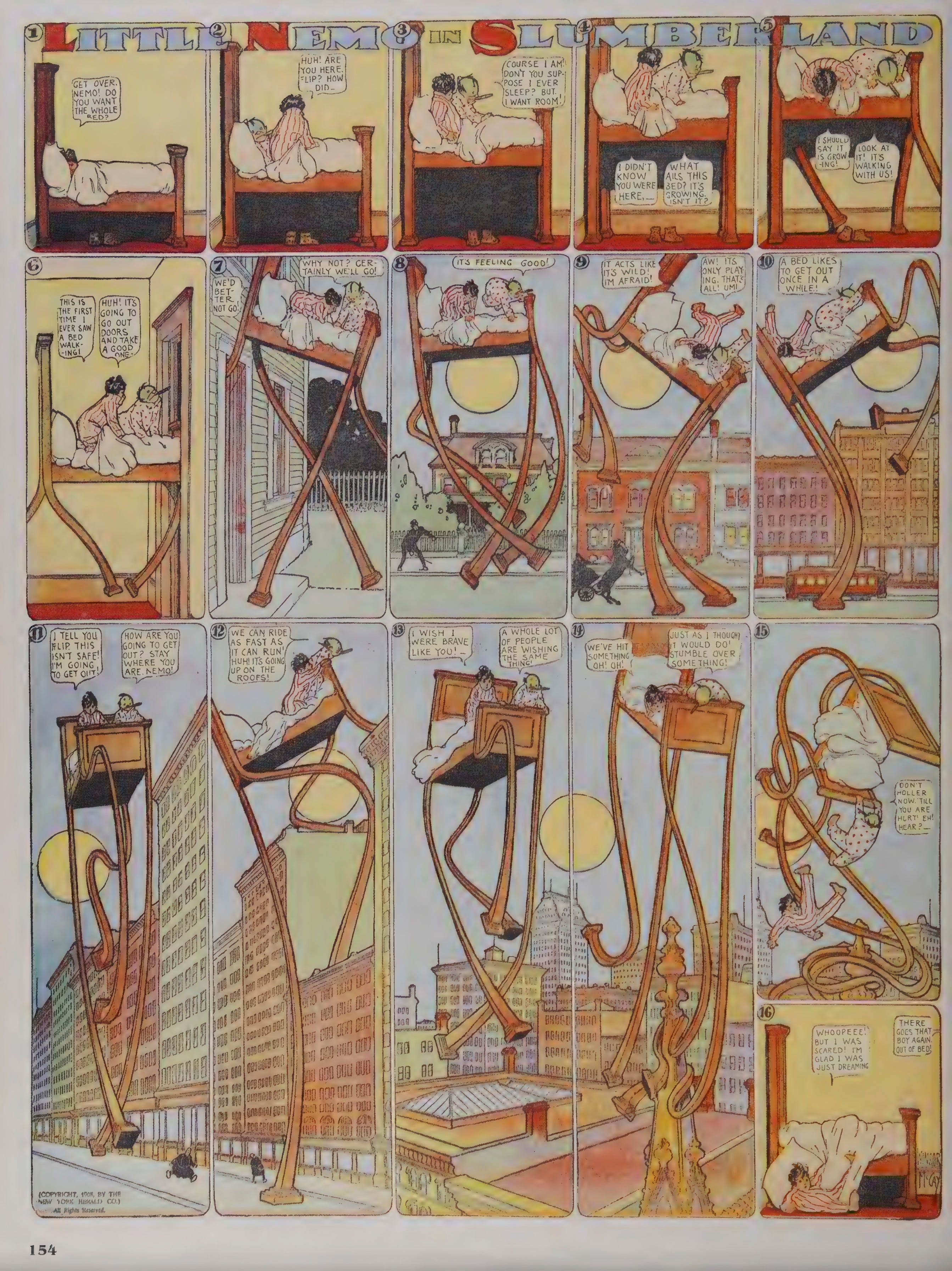
Little Nemo in Slumberland was created by American cartoonist and animator Winsor McCay. Although it was one of the first comic strips, it is still considered one of the very best ever. The characters in the story, the storylines, the perspective, and the boundless imagination in his drawings mean that Little Nemo in Slumberland is still an inexhaustible source of inspiration today.
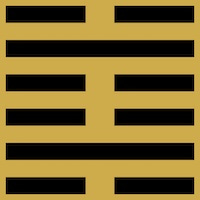
THE IMAGE: twice the Water trigram. Water occupies a special place in Taoist thought. Nothing is as soft and yielding as water, wrote Lao Zi, yet it overcomes everything that is strong and solid. It always seeks out the lowest places, places that are despised and avoided by others. Without any preconceived plan, it unites with itself. Drops, a puddle, a river, a lake, the sea....
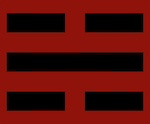
The middle line of the trigram testifies to the unexpected power of water. This is enclosed and hidden by the two broken outer lines, which represent its compliance and outward softness. The opposite is contained within the heart of things.
To be continued …