

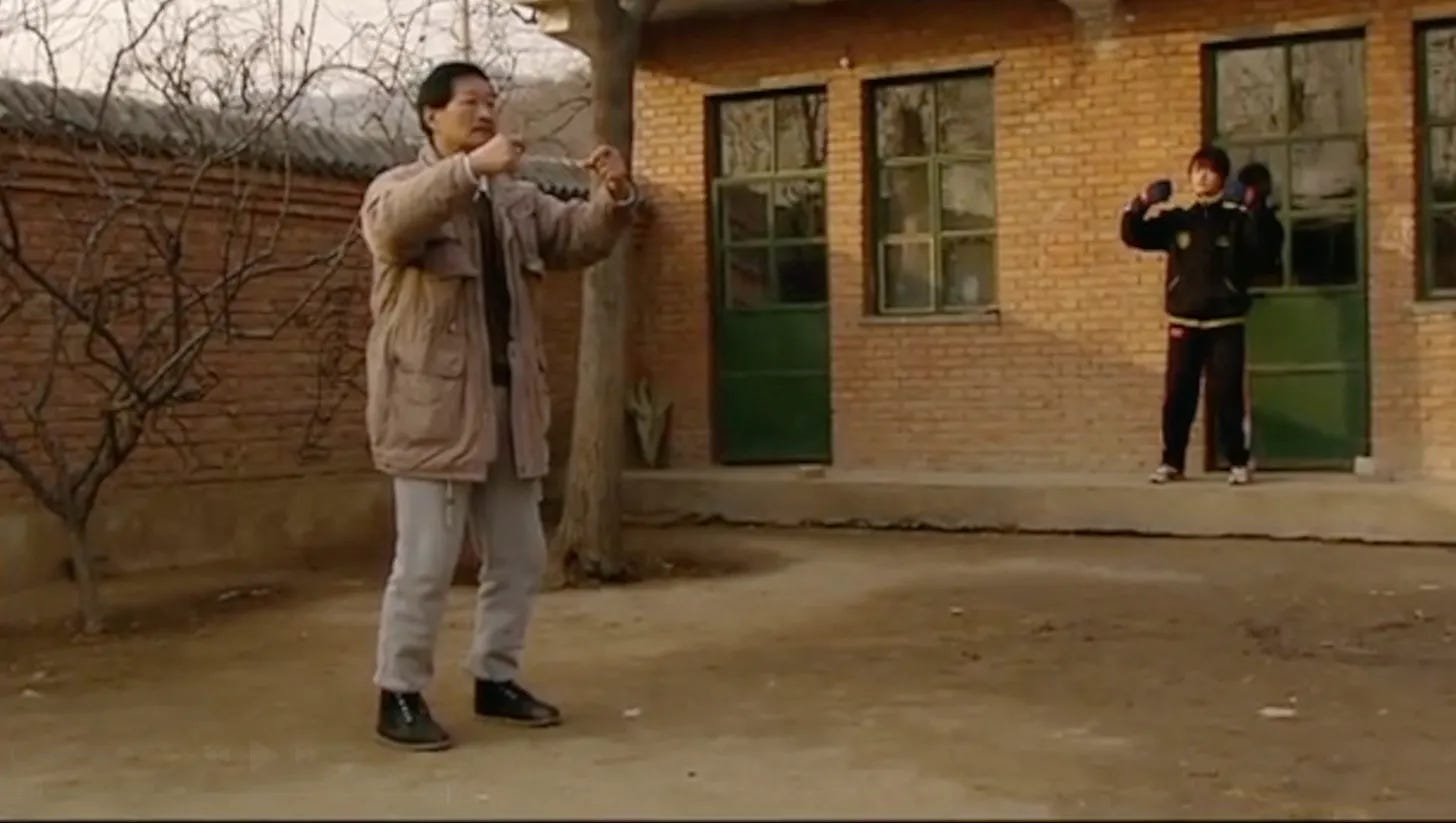
The camera follows Jan Kallenbach (1943–2021), a celebrated figure in the world of Kyokushin karate. During one of his stays in Japan, he meets Kenichi Sawai, the founder of Taikiken
Kenichi Sawai had been stationed in Beijing as an army officer during the war and had heard of Wang Xiang-Zhai’s fame whilst there. The story goes that, for Sawai, the only way to make contact with Grandmaster Wang was to challenge him to a public duel. Sawai, who held high ranks in Judo and Kendo, didn’t stand a chance and was so impressed that, until the end of the war, he studied Grandmaster Wang’s I Chuan and zhan zhuang through one of his top students. Upon his return to Japan, Kenichi Sawai named his style Taikiken, which was largely based on I Chuan.
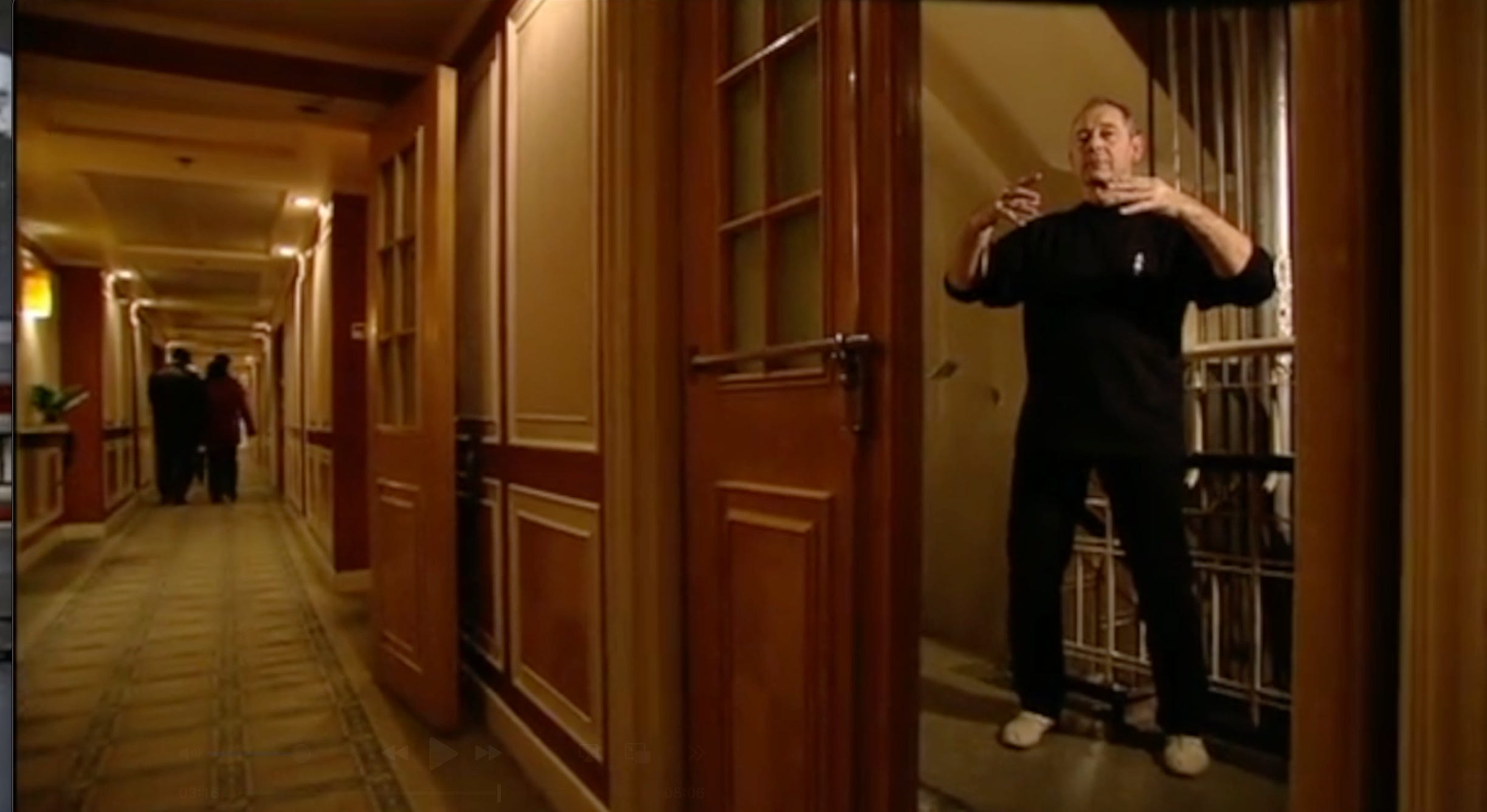
Eventually, Kenichi Sawai advises Jan Kallenbach to go to China to get closer to the source of Taikiken and I Chuan. Wang Xiang-Zhai has long since passed away by then, but Jan comes into contact with Li Jian-Yu in Beijing.
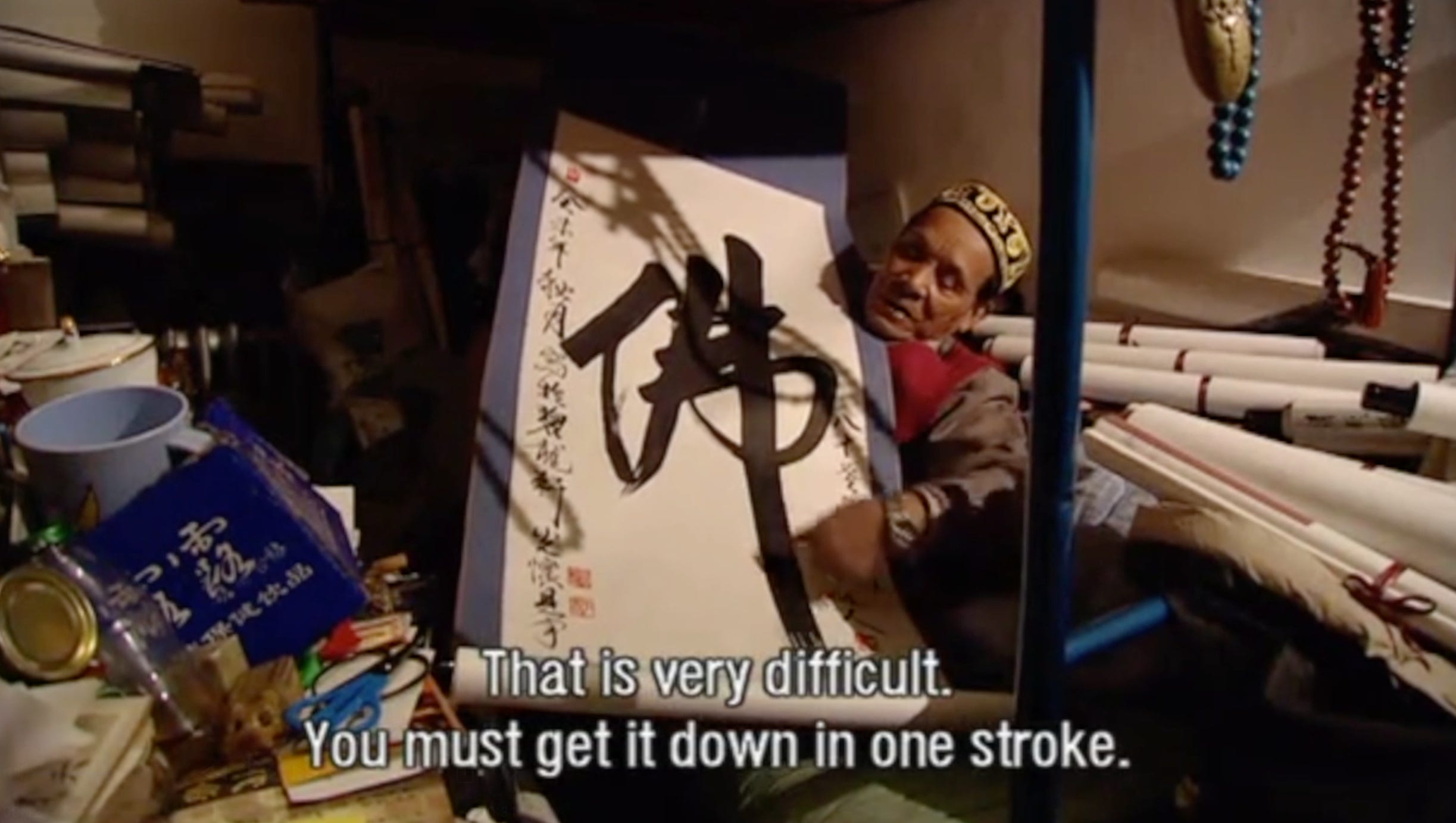
Li Jian-Yu is a calligrapher by profession and trained and studied directly under Wang Xiang-Zhai. In the video, Li practices single and double pushing hands with Jan, which they manage remarkably well despite the significant difference in height.
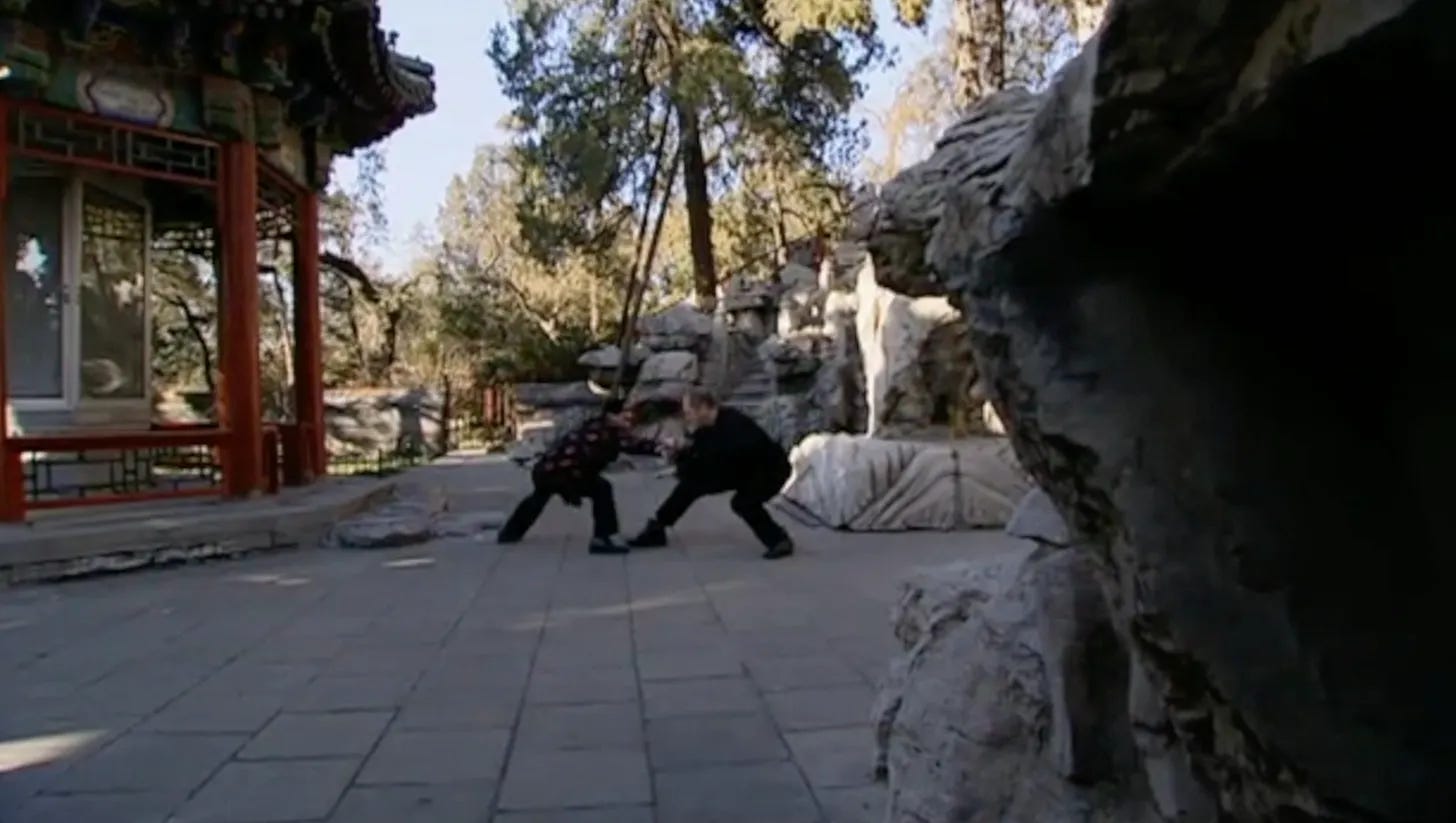
Wang Yu-Feng, Grandmaster Wang’s daughter, then takes the floor. She briefly explains how difficult it had been to preserve I Chuan through the turbulent times following the Chinese Revolution.
In 1999, during a study trip with my former sifu and a group of colleagues, we met Mrs. Wang. It was clear to us that she had not emerged physically unscathed from those turbulent times, but during a spirited Jian Wu demonstration she gave, there was no sign whatsoever of any disability.
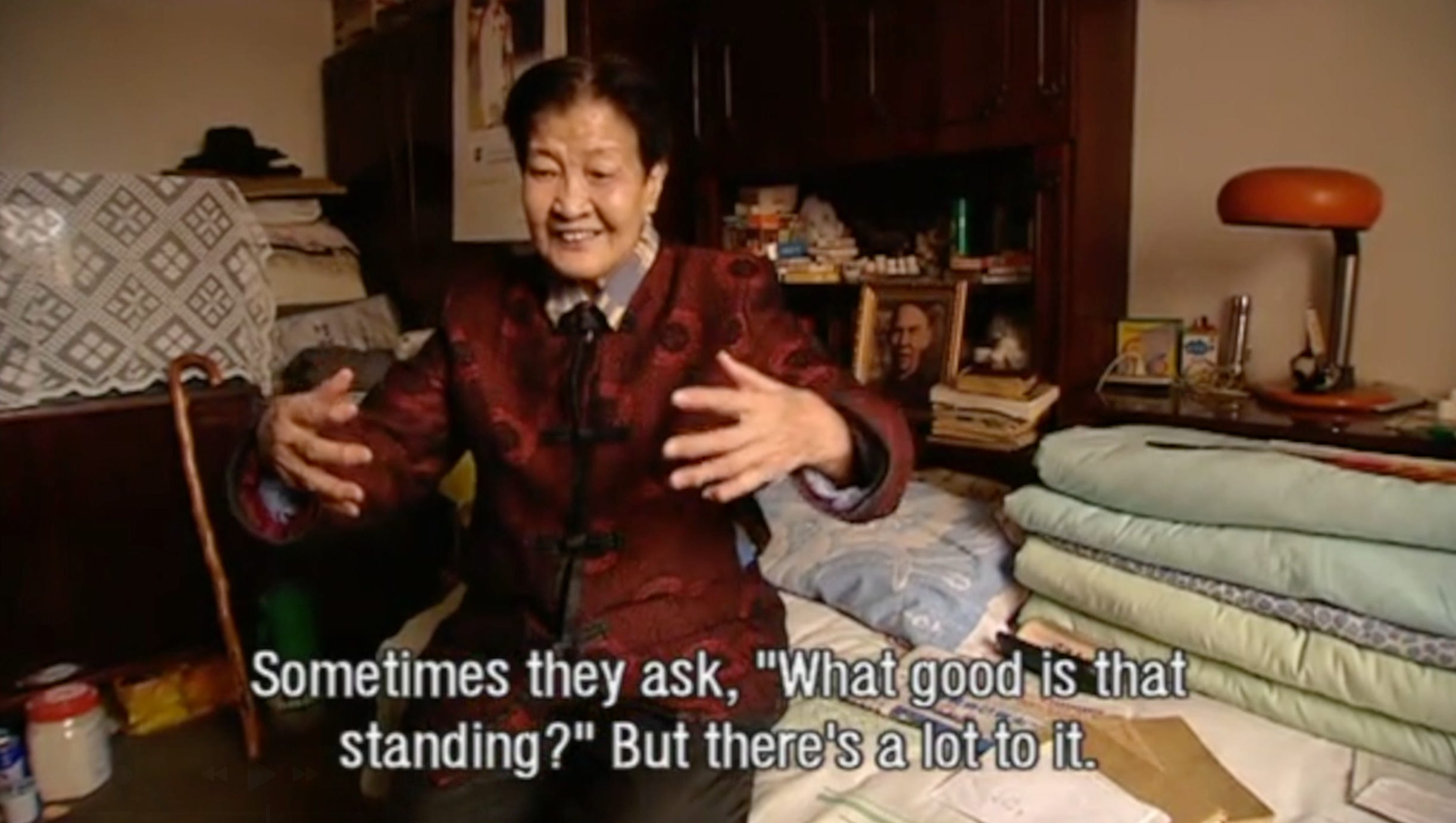
Cui Rui-Bin, another prominent direct disciple of Wang Xiang-Zhai, then speaks passionately about the foundation of I Chuan: Zhan Zhuang, the practice of still postures.
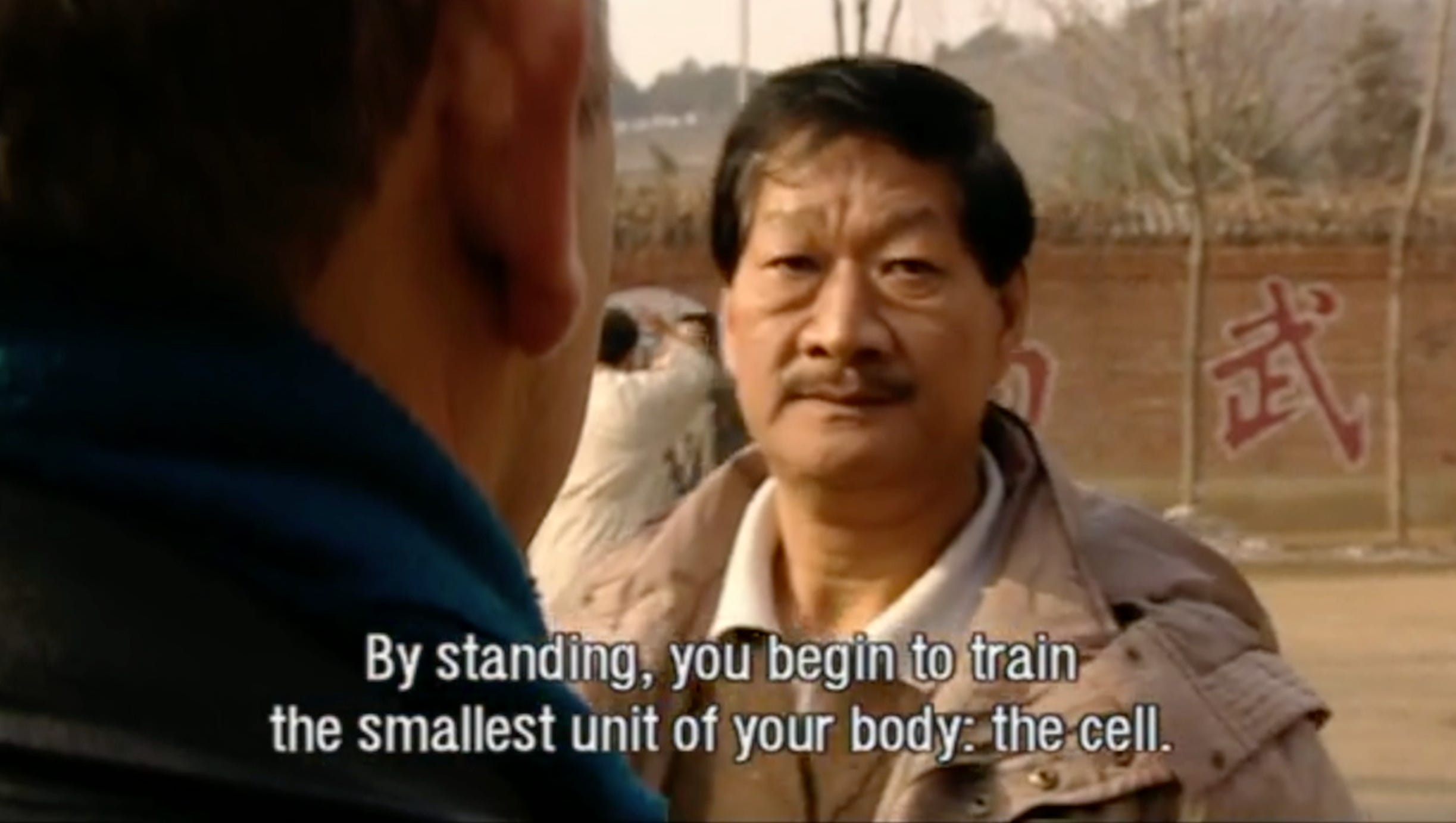
The following clips are taken from the documentary Eat Your Enemy by filmmaker Eline Flipse.
*
