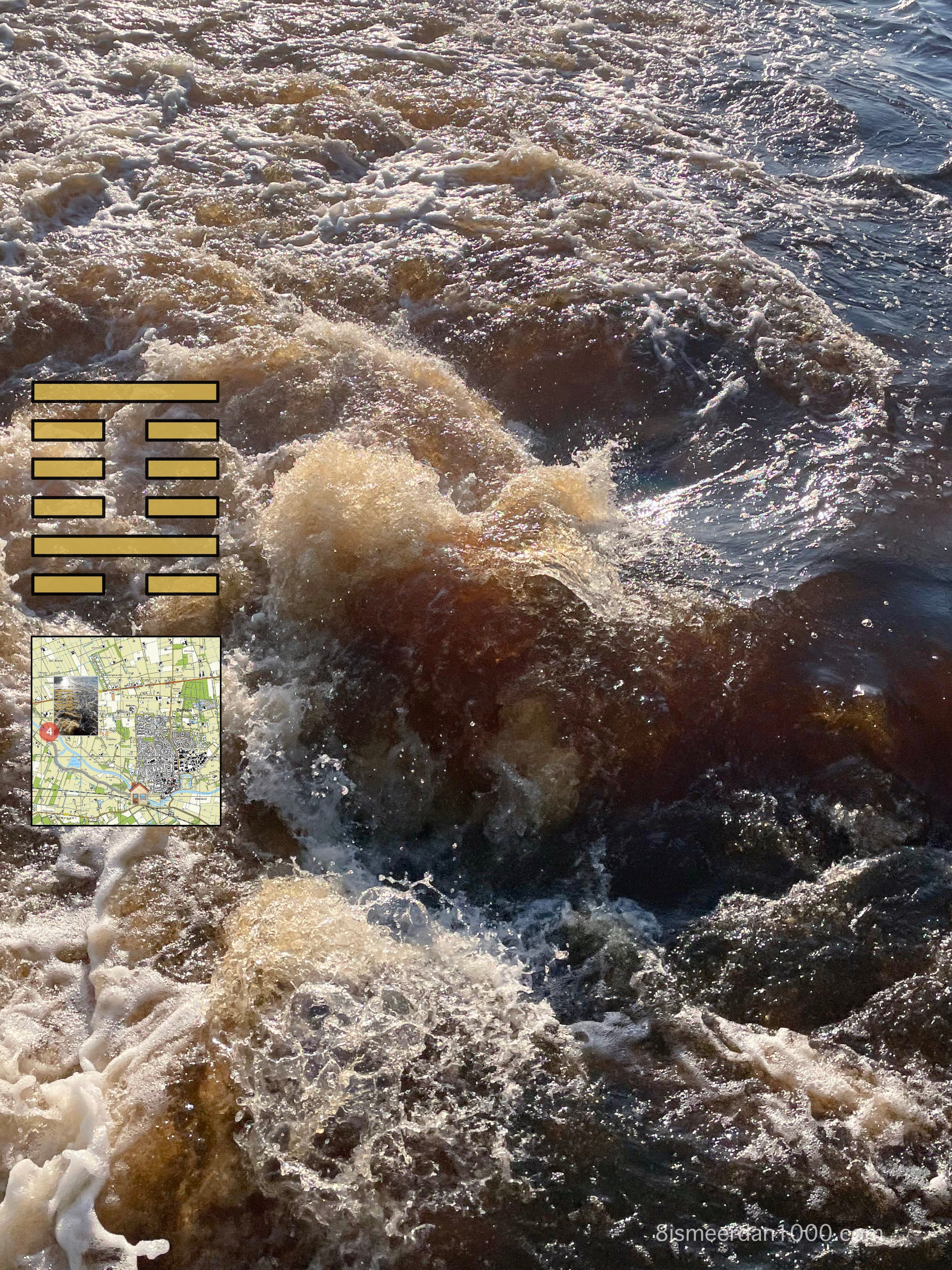
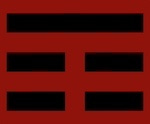
THE IMAGE of two trigrams: Mountain above, Water below. A wild mountain stream, untamed and unspoilt.
A half-hour’s walk from our house, or ten minutes by bike, lies the Vechterweerd, a weir on the river. The Vecht may not be a wild stream, nor are there any mountains here, but the water cascading down over the weir suddenly becomes childlike again. If you stand on the narrow walkway atop the weir, lean over the railing and look down, you see an unrestrained play of eddies and roars.
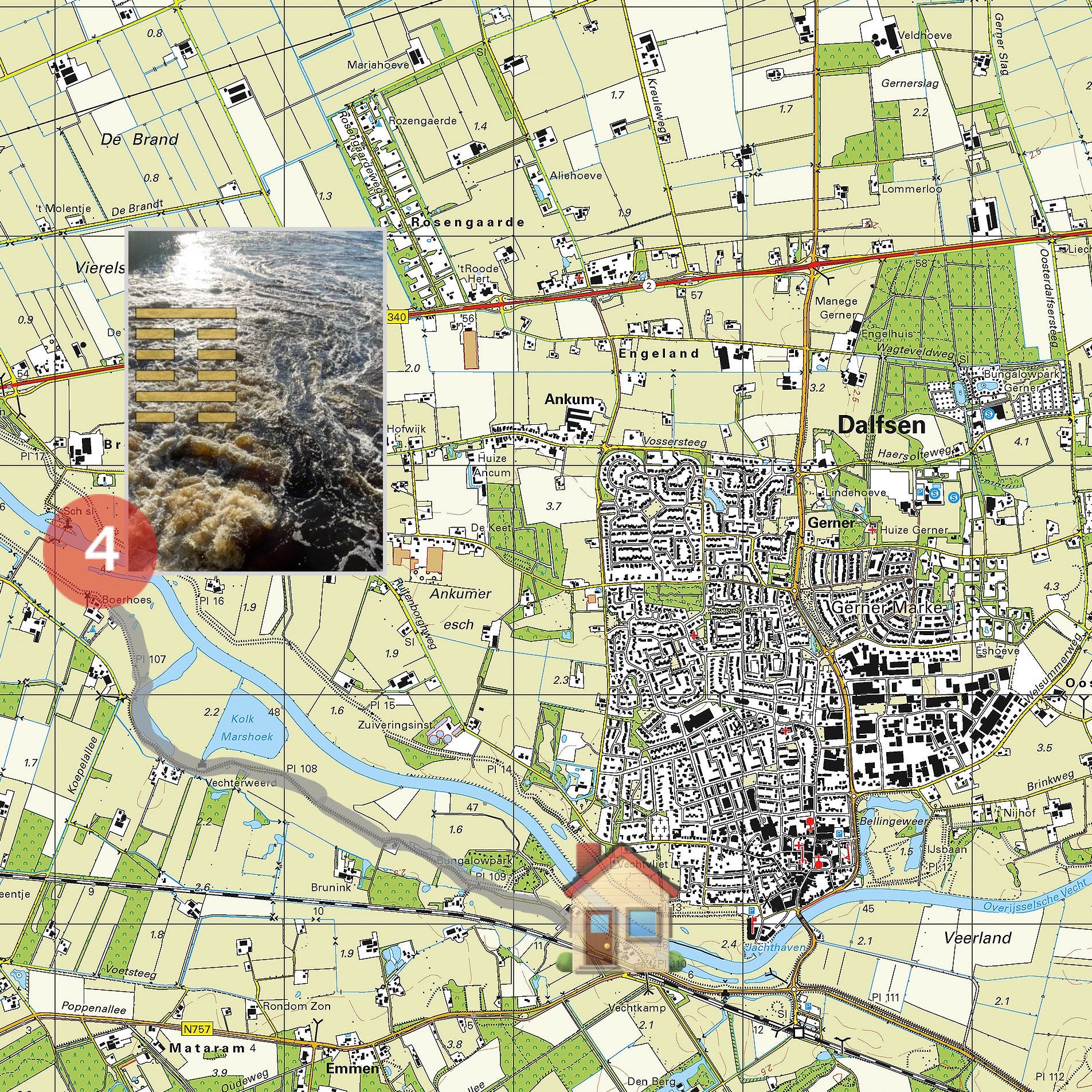
In Richard Wilhelm’s I Ching translation, this chapter is called Youthful Folly. Other I Ching translations use titles such as Youth Immaturity and Youthful Inexperience'
Yes, when you’re young, you do get up to all sorts of silly antics. Sorry about that; I didn’t know any better. After all, this is my first time doing this. You’re right. Call youth foolish, and you’ll have to constantly tame, restrain and restrict it. If you see youth as play, then foolishness paves the way for new possibilities and fuels creativity.
Take away a child’s play, and you take away their childhood. To keep playing throughout your life is to preserve your youth. Therefore, I chose Play as the title for this chapter.
Let’s be honest, what would we have done back then without play? How on earth would we ever have found our way through the hall of mirrors that is the human world? Play is imagination – today I’m a fireman and you a vet, or would you rather be an explorer? Who’s Batman, and who’s the villain? Step into the shoes of: with nothing but your imagination, the adventure can begin.
Without any inhibitions, children can lose themselves in the fascinating game of imitation. Walk and dance like your idol, and even if you can’t sing very well yet, you’ll at least know what it feels like. Today you’re an astronaut; tomorrow you might just win a gold medal. You can decide for yourself what it’s for.
Do you dare to play? An instant time machine is at your disposal. Back to the past, or a giant leap into a time yet to come. It’s all free; it’s child’s play. Unhindered by conventions and the stifling straitjacket of reason, play reveals hidden shortcuts and well-trodden paths. When you think, you see the limits; when you play, there is always a new beginning.

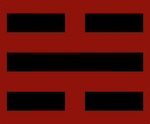
The hexagram of Play is an inversion of that of the preceding Chapter 3. Beginning. Most of the paired chapters are opposites of one another, but in this case they follow on from one another. To take part, it is not necessary to know the game – simply starting is enough.
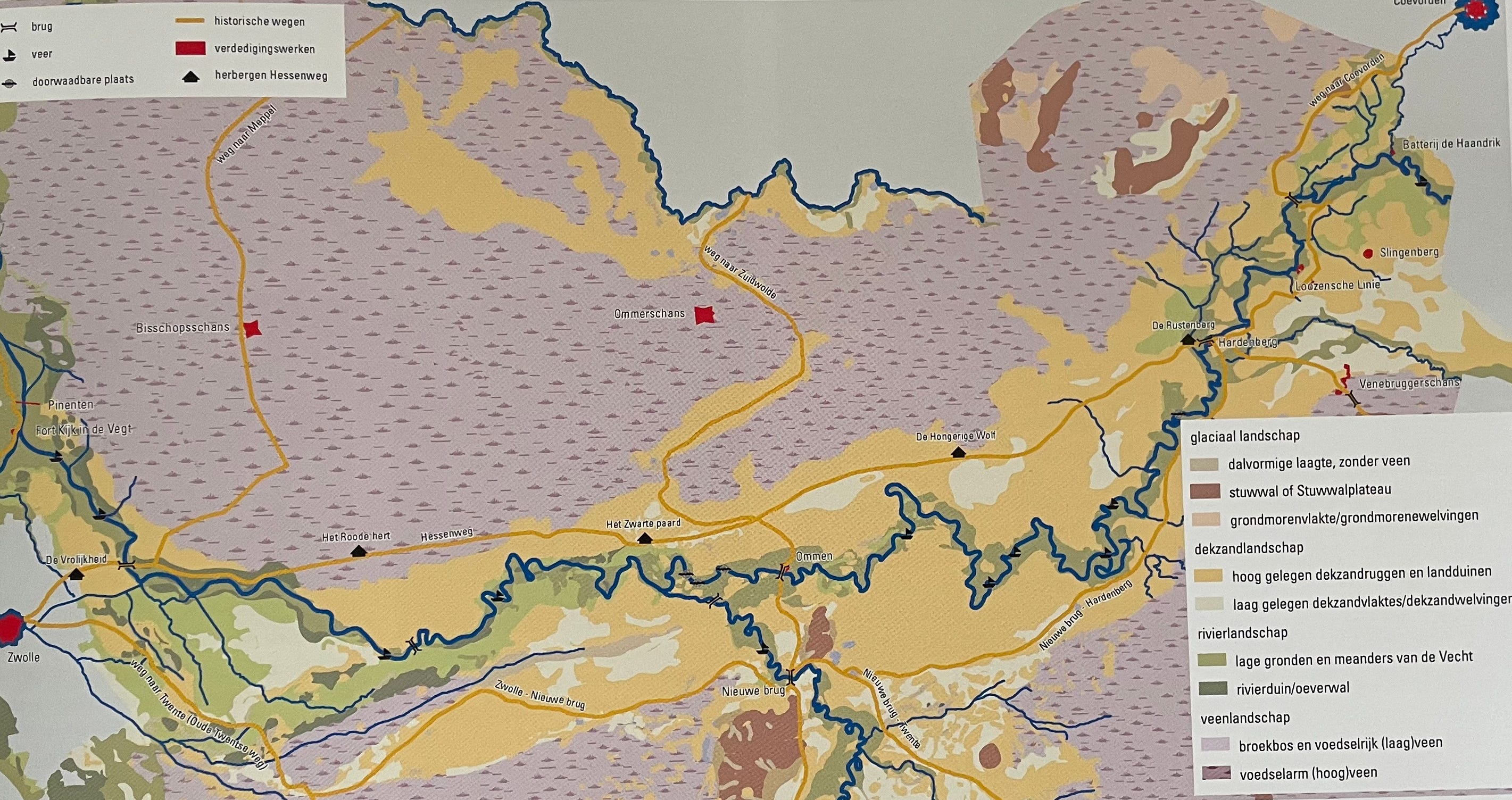
You won’t find any wild mountain streams in the Netherlands, but not so long ago the Vecht Valley was a wild and rugged landscape. A river course full of dramatic meanders, flanked by hills of wind-blown sand. A little further north and south lay inhospitable high moorland marshes. Roads were few and far between – the river itself was actually the best means of transport. To cross the river, there was a single bridge, a few ferries and some fords. Here and there was an inn with names such as ‘The Hungry Wolf’ and ‘The Black Horse’. For the traveller who had crossed the wild countryside and was approaching the town of Zwolle, the inn ‘De Vrolijkheid’, ‘The Merriment’, awaited.
Anyone can draw, as long as there’s no pressure to make it look like something. As soon as the pencil touches the paper, follow the line, the strokes, the marks and the scratches. Watch in wonder at what emerges this time. Making music, dancing, playing football – you can do it all, as long as you just have a go. As long as you don’t worry about what others think of it.
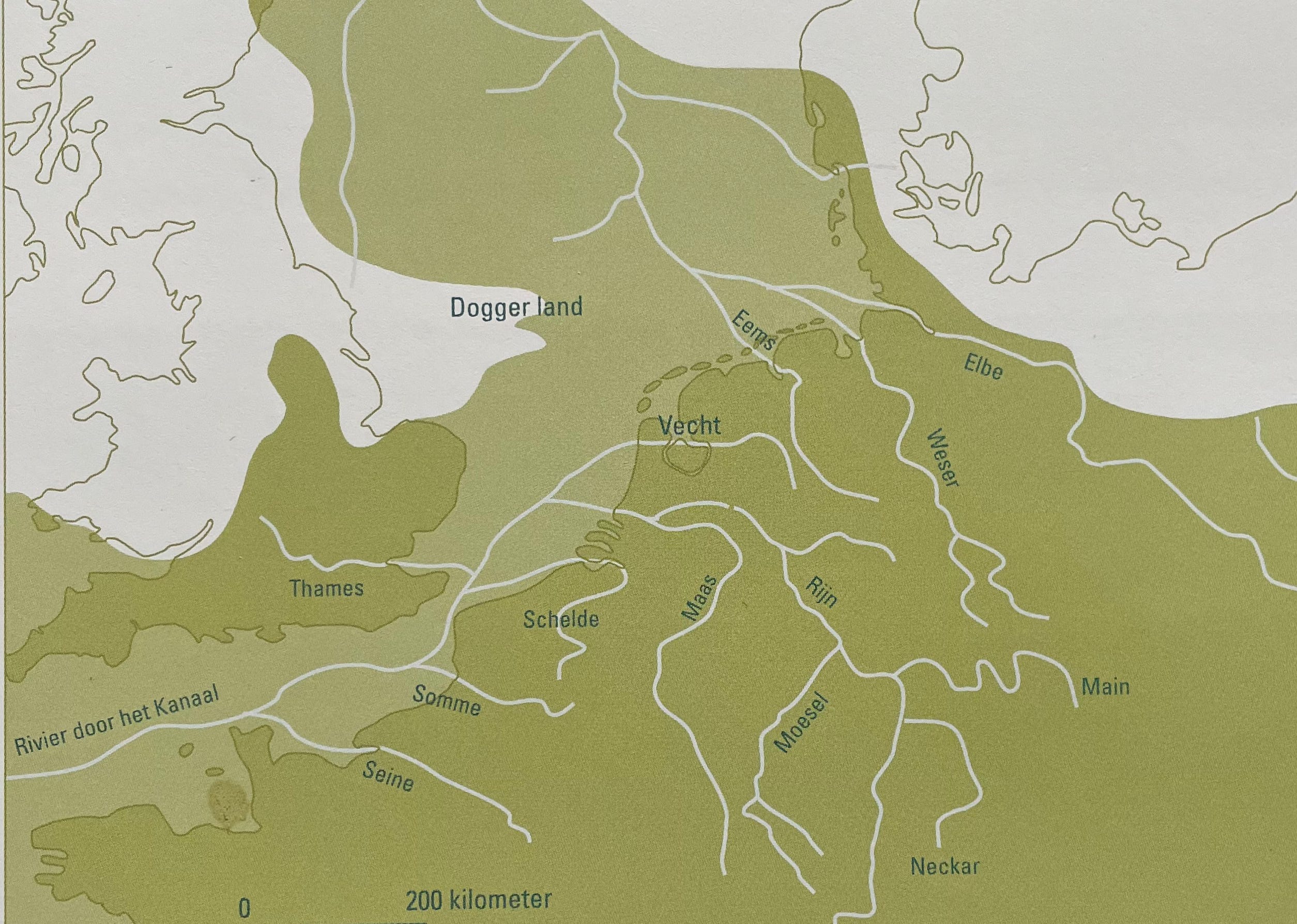
During the last ice age, sea levels were much lower than they are today. The British Isles were connected to the continent via Doggerland. The river basins of northwestern Europe were much larger. The now modest River Vecht flowed westwards and joined the Rhine, the Thames and the Seine. During the holidays, we could have canoed downstream to London or Paris!
Playing is sweet and innocent. A few scrapes and a plaster – and then it’s back to business as usual. You lose track of time, and before you know it, the day is over. Play is risky and dangerous. It takes you to places you would never otherwise have gone. You feel the power of your muscles, the dexterity of your hands and the strength of your words. Play is full of the unexpected; it creeps where it cannot go, meandering like a river.


Inevitably, the time comes when you have to earn a living. Playing was for the little ones, and as they grow older, the fun is over; then it’s time for serious business.
At some point as we get older, however, we are made to feel guilty for playing. We are told that it is unproductive, a waste of time, even sinful. The play that remains is, like league sports, mostly very organized, rigid, and competitive. We strive to always be productive, and if an activity doesn’t teach us a skill, make us mone‘sport’.y, or get on the boss’s good side, then we feel we should not be doing it. Sometimes the sheer demands of daily living seem to rob us of the ability to play.
Play - Stuart Brown
Play is then replaced by study. Next comes work, and by working hard, you earn your free time. Wonderful! That free time comes with the promise of a return to play. Alas! Play is now called sport. Spontaneity has been swapped for rules. No meandering adventure, but a competition along straight lines.
You rarely see such a lack of variety as during the Olympic Games, even though the Games hold such great promise. Just taking part is for losers. Victory goes to the one-dimensional specialist. A skater who only skates in a counter-clockwise direction. A sprinter who can’t keep running for more than ten seconds. Steroids and diving.
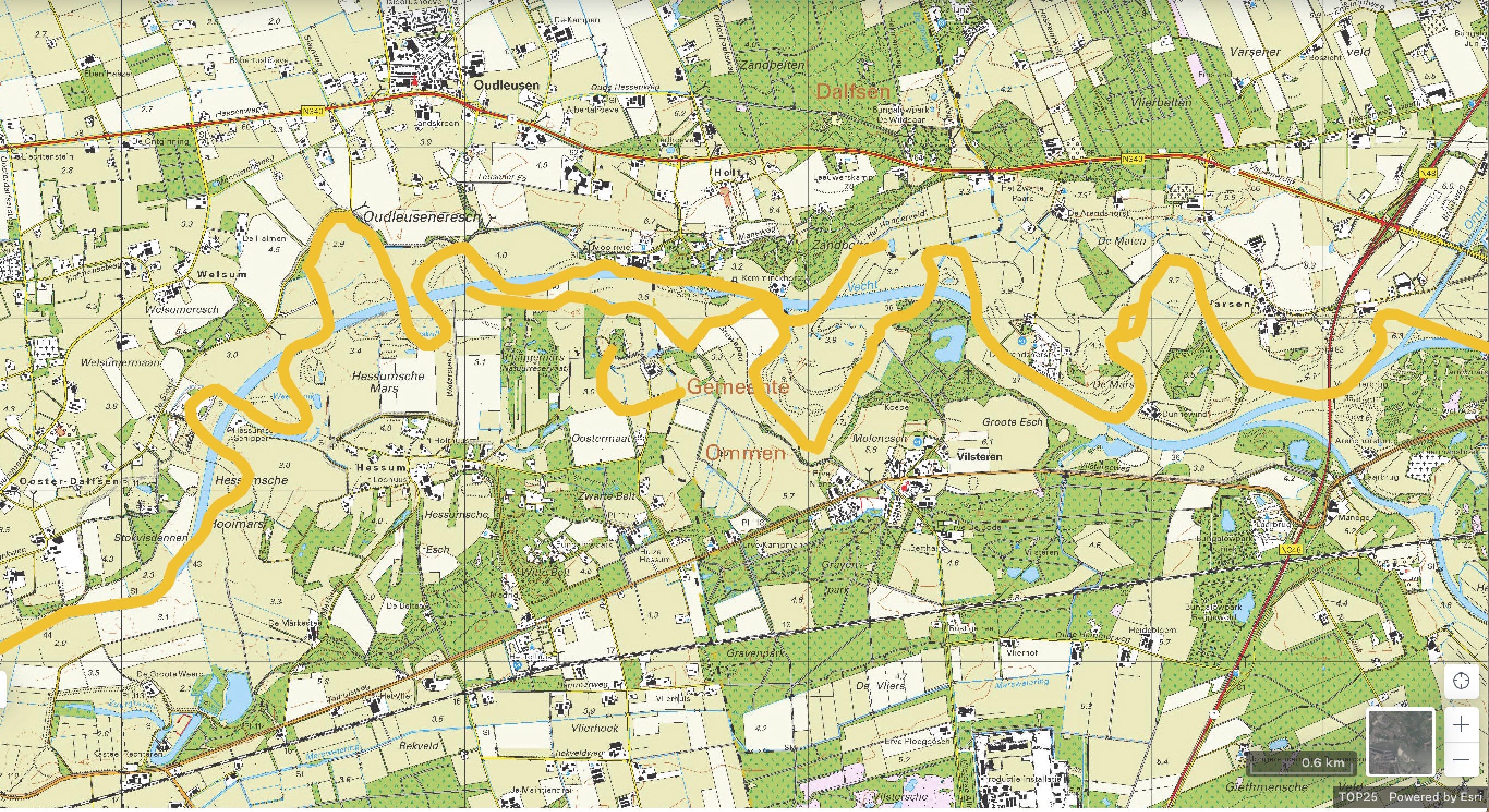
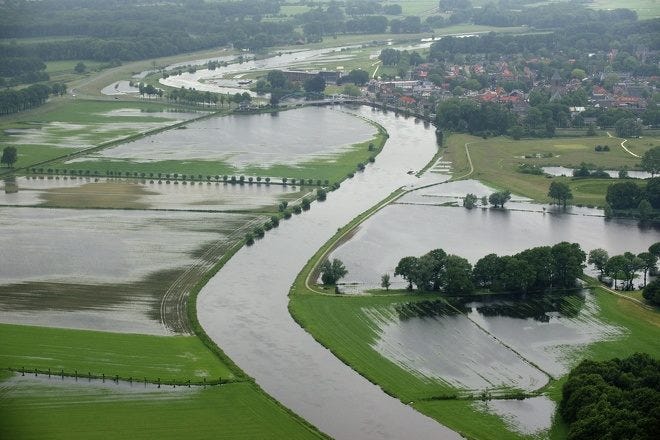
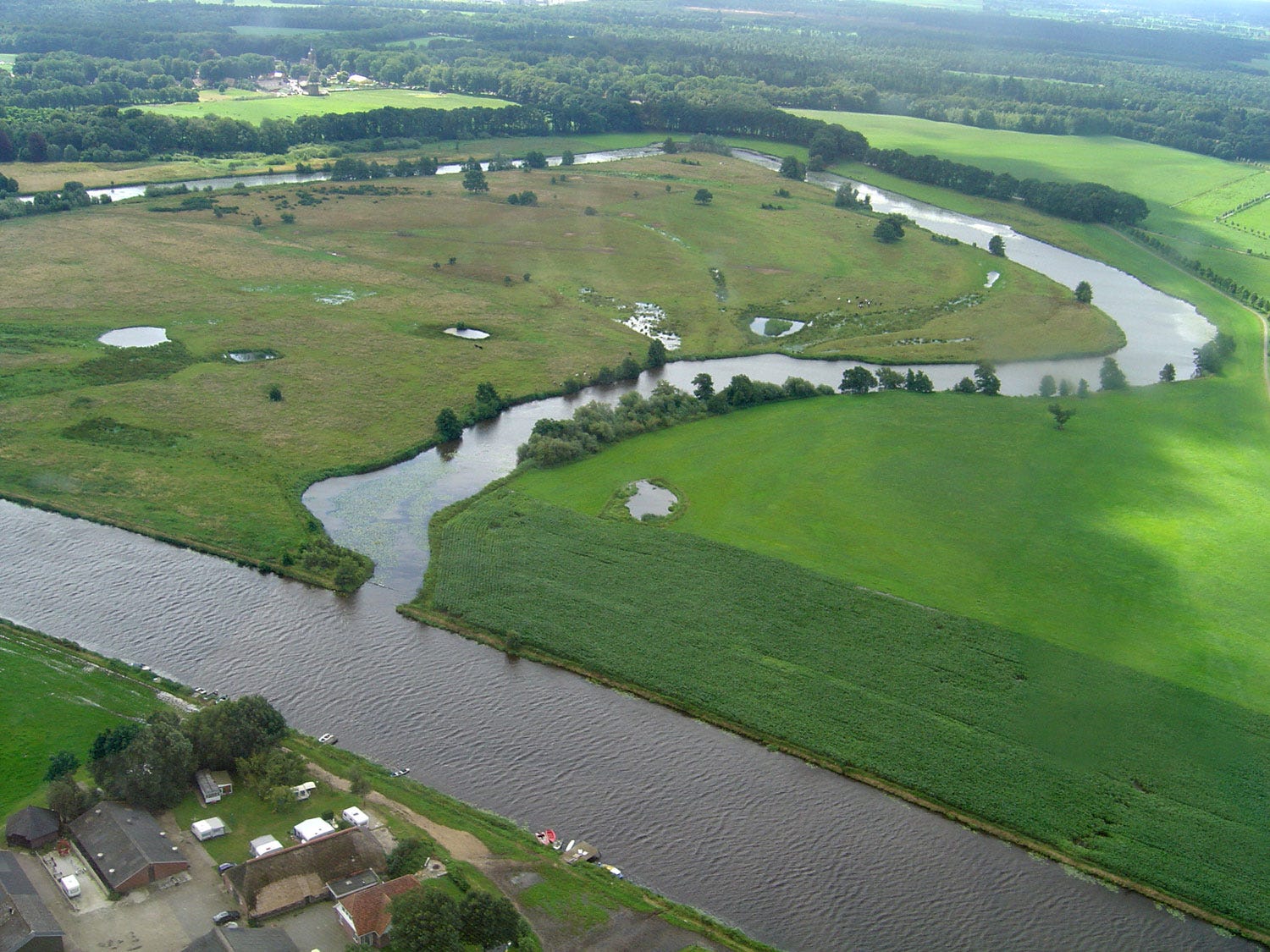
An untamed river is no laughing matter. Floods took a heavy toll every year, and the river’s endless meandering made transport along it inefficient. In the early 1900s, a large-scale straightening of the Overijsselse Vecht began. I superimposed maps from 1863 and 1991 showing the Vecht between Dalfsen and Ommen. The differences in the river’s course before and after the cutting of bends and the canalisation are evident. The loop on the south side of the river – exactly in the middle – is the meander that still exists near Vilsteren; see the following illustration.
After more than a century of football, only a handful of clubs still matter. They have the money, they can buy the best players, and they win the trophies. The rest are mere extras. The advertising on the football shirts is from a gambling company and promotes cars or airlines. The transfer market is funded by tech companies and oil-rich nations. This football is war; it is politics; it is business, but it is certainly not play. How much simpler it was to spend hours playing football in the street with friends after school.
It sounds like a conspiracy. First, you take away the children’s space. The streets are full of cars, and the only place left to play is a football cage. Then you take away their time too, with phones and games. Free play has been successfully tamed.


A high fence surrounds the nature reserve – or what remains of its natural wilderness. Unauthorised entry is prohibited, let alone climbing trees, lighting fires and building huts. Who is being protected from whom?
Emma Marris writes in Rambunctious Garden:
Which means that they (the national parks) are the absolute worst places to take your children on vacation, because you can't do anything there. You can't climb the trees. You can't fish the fish. You can't make a campfire out in the middle of nowhere. You can't take home the pinecones. There are so many rules and restrictions that from a child's point of view, this is, like, the worst nature ever. Because children don't want to hike through a beautiful landscape for five hours and then look at a beautiful view. That's maybe what we want to do as adults, but what kids want to do is hunker down in one spot and just tinker with it, just work with it, just pick it up, build a house, build a fort, do something like that.
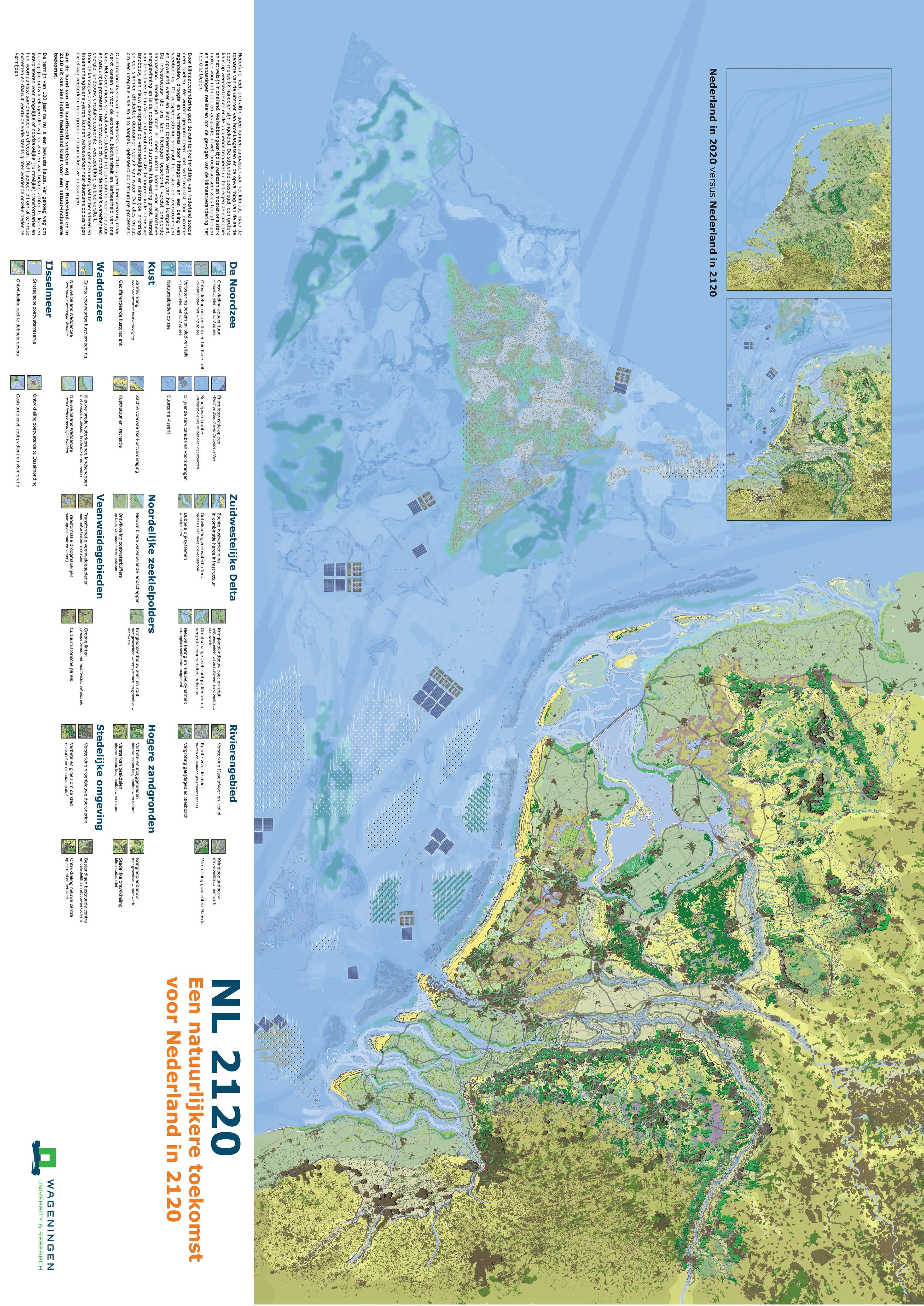
Wageningen University & Research has visualised what the Netherlands might look like in 2120. De Groene Amsterdammer wrote: ‘The Wageningen alternative is to organise the country in such a way that it ‘moves with’ the natural processes of soil, water and the coast: dynamic systems that regulate themselves. The result is a map of a future Netherlands that would immediately spark a desire to travel if it existed today, with meandering rivers, inland lakes and marshy areas, food forests, sturdy dunes, and cities interwoven with greenery.’
There is always hope. Free play lies dormant just beneath the surface. Let children make mistakes. Embrace failure. Skate clockwise. Get rid of the football cage. Tear down the fences and let the remaining wildness in. Set the river free. Think in twists and turns. Celebrate the folly of youth!
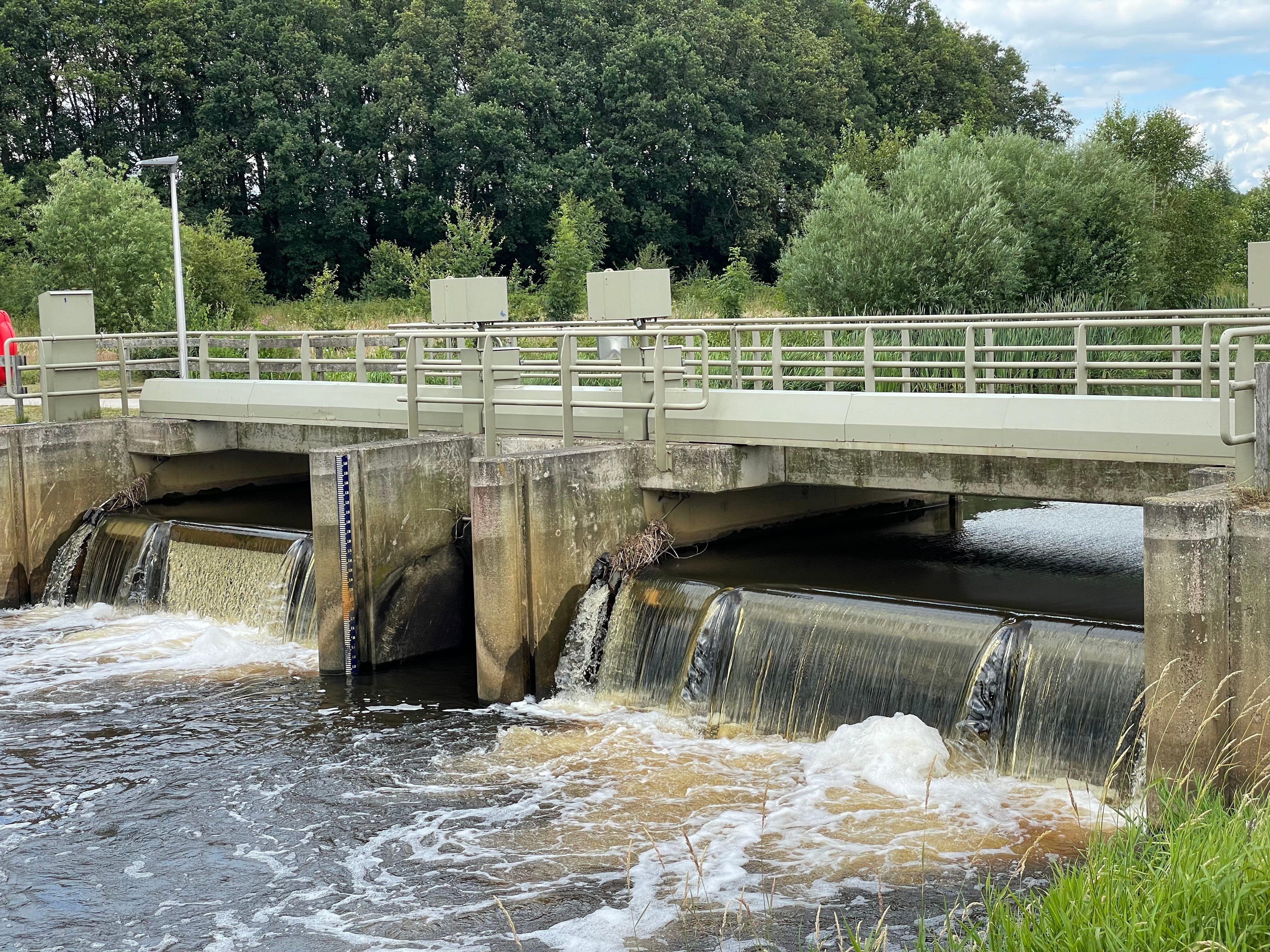
Mountain above Water, the image of a wild mountain stream, of a meandering lowland river, of play. In the absence of mountains in the Netherlands, Mountain above Water can also be read as a weir in the river. The river may seem tamed, but if you stand on the spillway above the Vechterweerd weir, lean over the railing and look down, you will see that the wildness and the youthful folly are very much alive.