
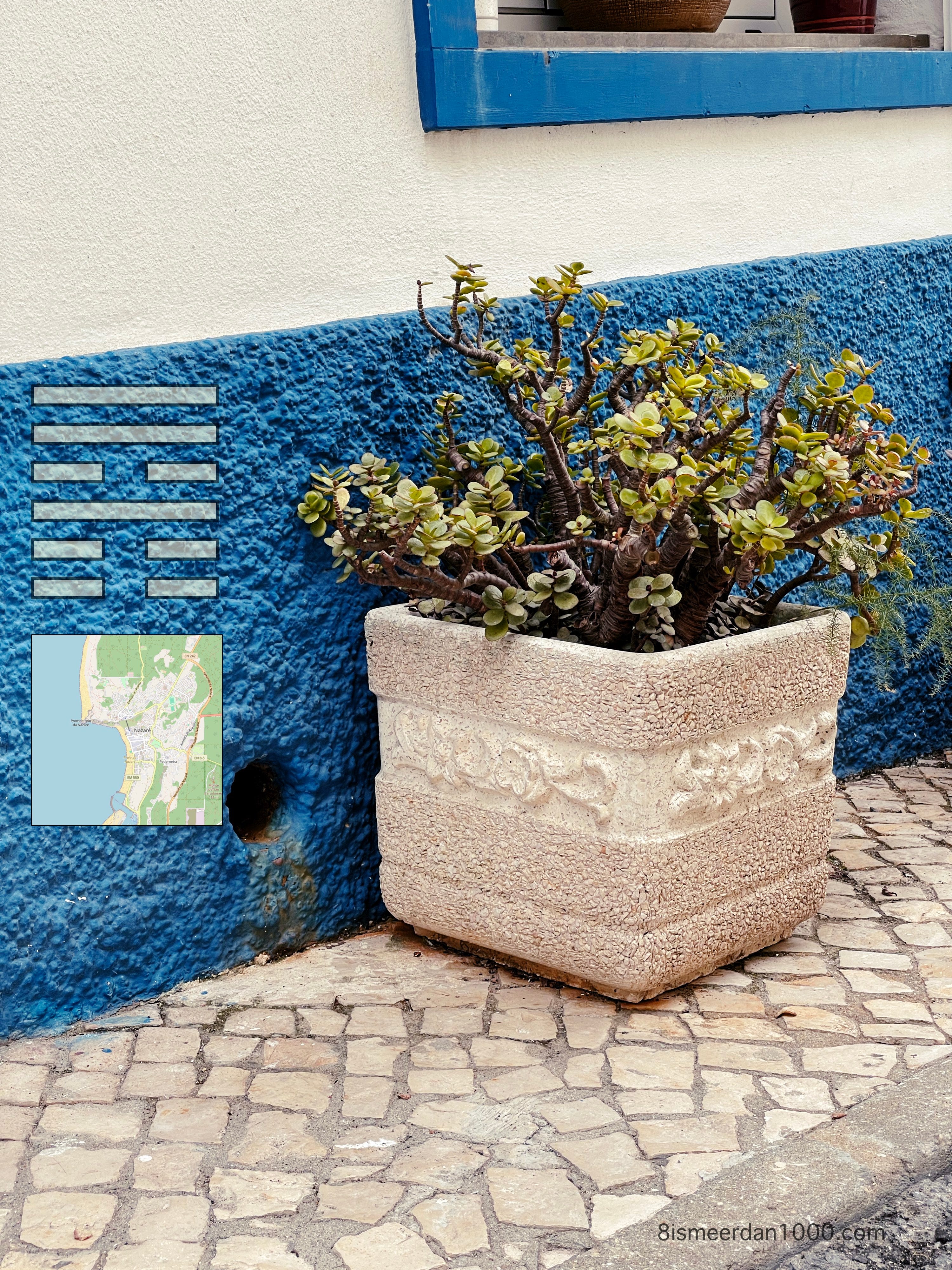
You can see them standing there in the narrow streets of the old part of the fishing village. Large earthenware pots containing sturdy jade plants. Right by the front door. How old are they? And who propagated them back then? The current occupant of the house? Or someone from the previous generation, or even the generation before that? The jade plant in the photo could well be a family heirloom.
They grow slowly and gradually. In the wild in Southern Africa, they can live for tens, perhaps even a hundred years. Crassula ovata, jade plant, money tree, lucky plant. The thick, round leaves resemble pieces of green jade. Crassula – ‘thick’ – ovata – ‘egg-shaped’. Read here The Auspicious Arrival of the Jade: Herald of Good Fortune about Isabella Stewart Gardner’s jade plants.
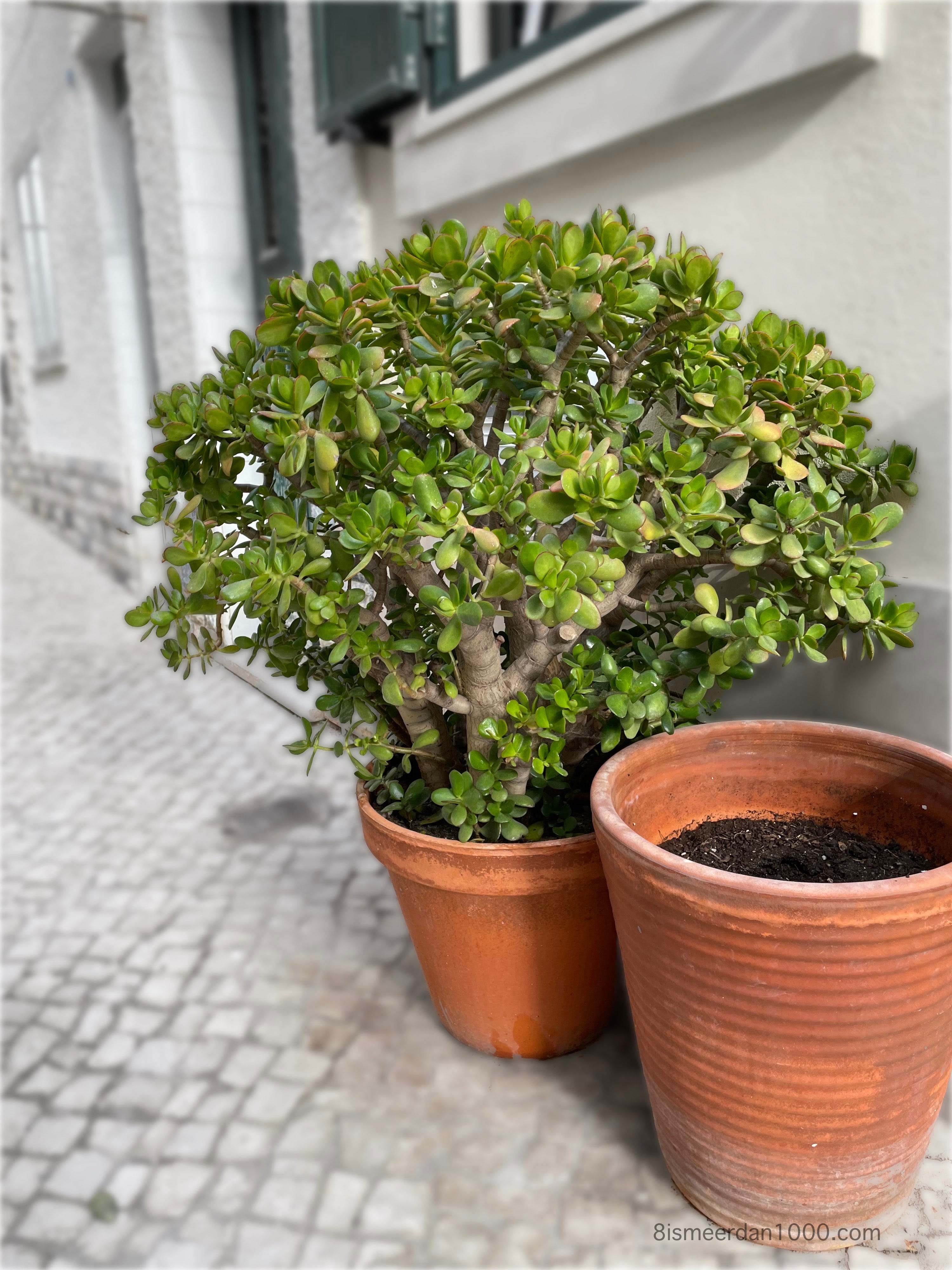
Hmm, the reddish-brown hue, the weight, and the immobility of the Mountain; the lush green, the soft, rounded shape of the leaves, and the abundance of the Wind.

Wood above Mountain. Can you picture it? On the slope or summit of a mountain stands a weathered old conifer. Or, atop a dune, a wind-battered maritime pine. For both, water and nutrients are scarce. Shelter, too, for that matter; the elements have free rein there. The tree has no choice but to grow very slowly. Gradually.
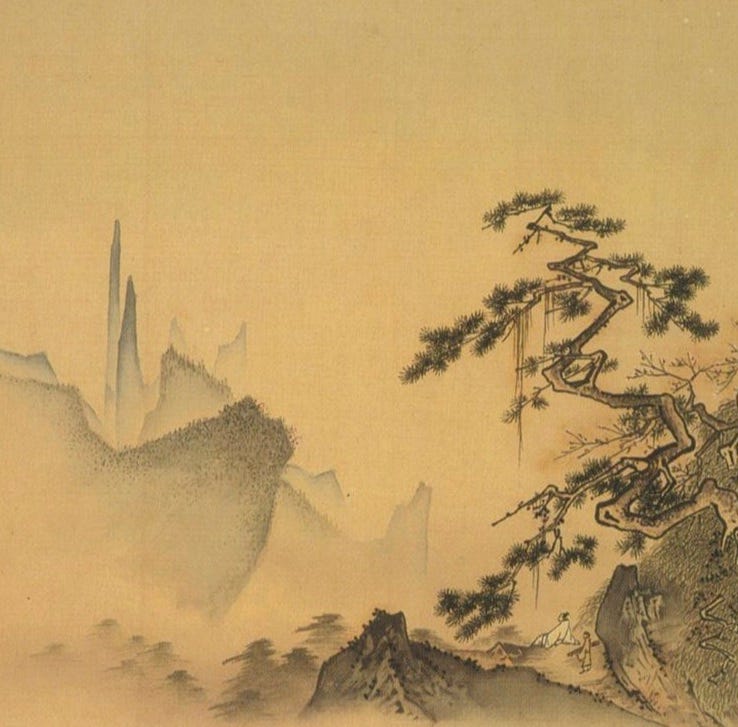
Old, gnarled trees were a favorite subject for Chinese landscape painters. Ma Yuan 馬遠, a renowned painter of the Song dynasty – who lived from 1160/1165 to 1225 – often depicted them in his landscapes as a symbol of gradual development and long life.
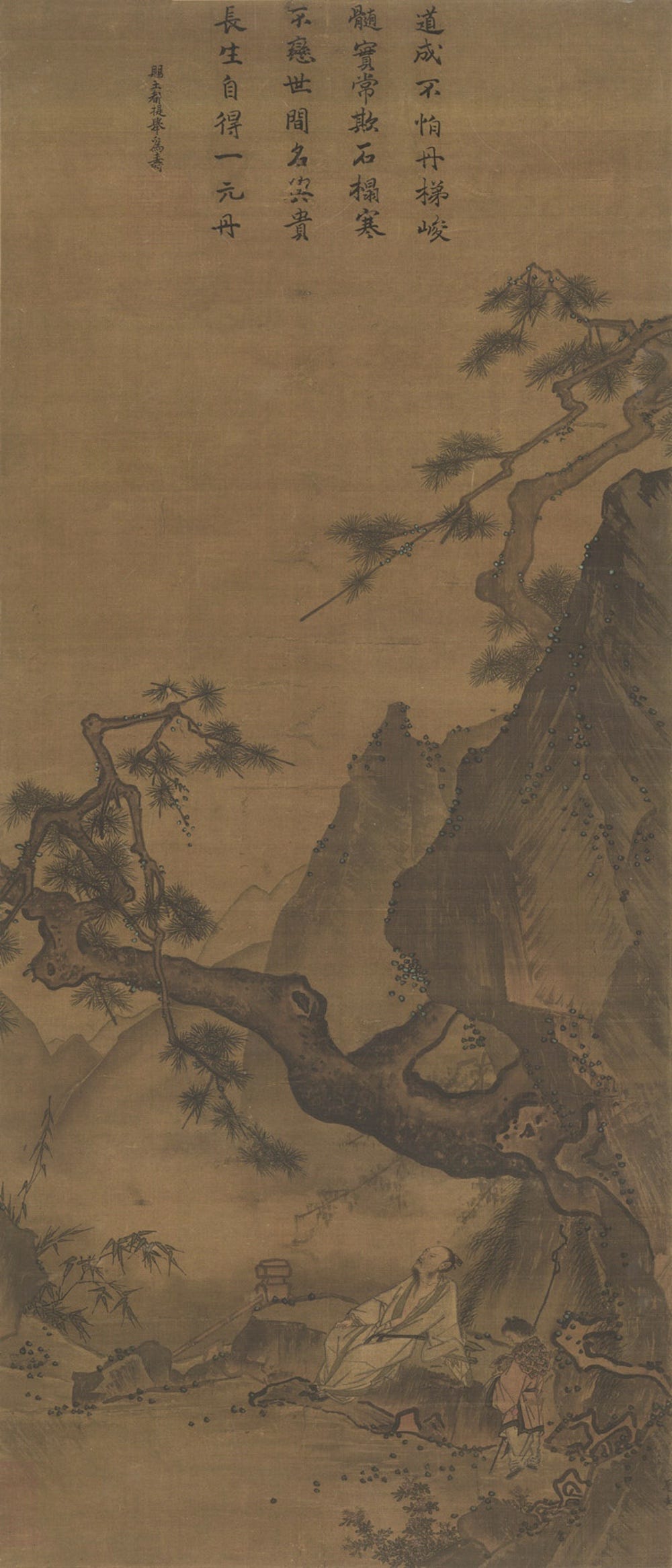
Ma Yuan painted ‘Pine and Longevity’—at least, that is the title given to the work in the China Online Museum.
And another fascinating work by Ma Yuan, the title of which I was unable to find.
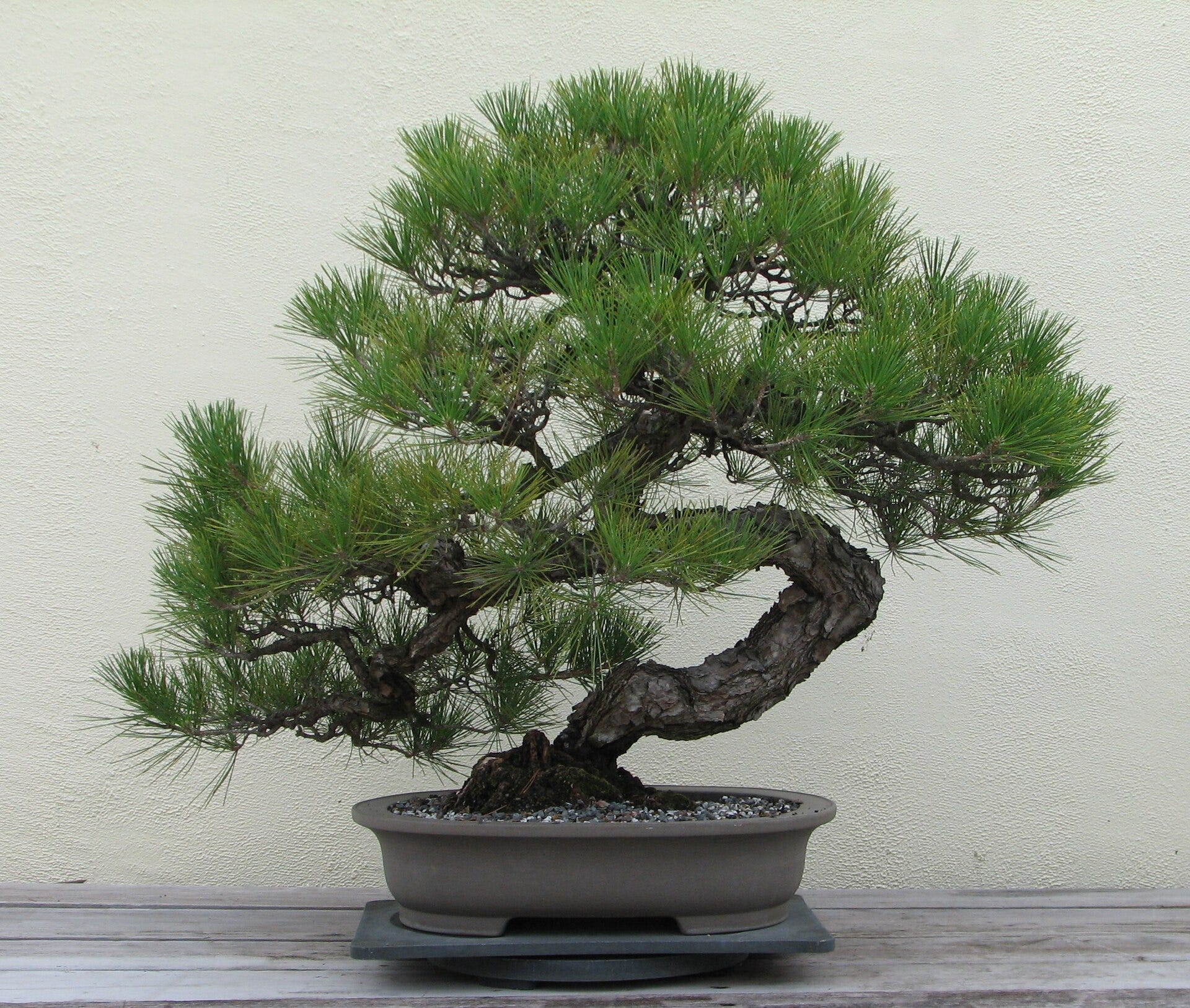
The venerable pine trees depicted in the Song dynasty paintings can also be found in another, more manageable format. With the necessary patience and by guiding the growth patterns of the young pine, a miniature tree is created: a bonsai 盆栽 (translated as ‘plant in a pot’ – hmm, I used to think that ‘bonsai’ was a deeply philosophical concept, rooted in Shinto or Zen Buddhism, but it simply means ‘plant in a pot’!).
Let’s go back to the Crassula for a moment. The growth of the jade plant can also be controlled so that it develops into a bonsai. Jade bonsai can also reach a considerable age.
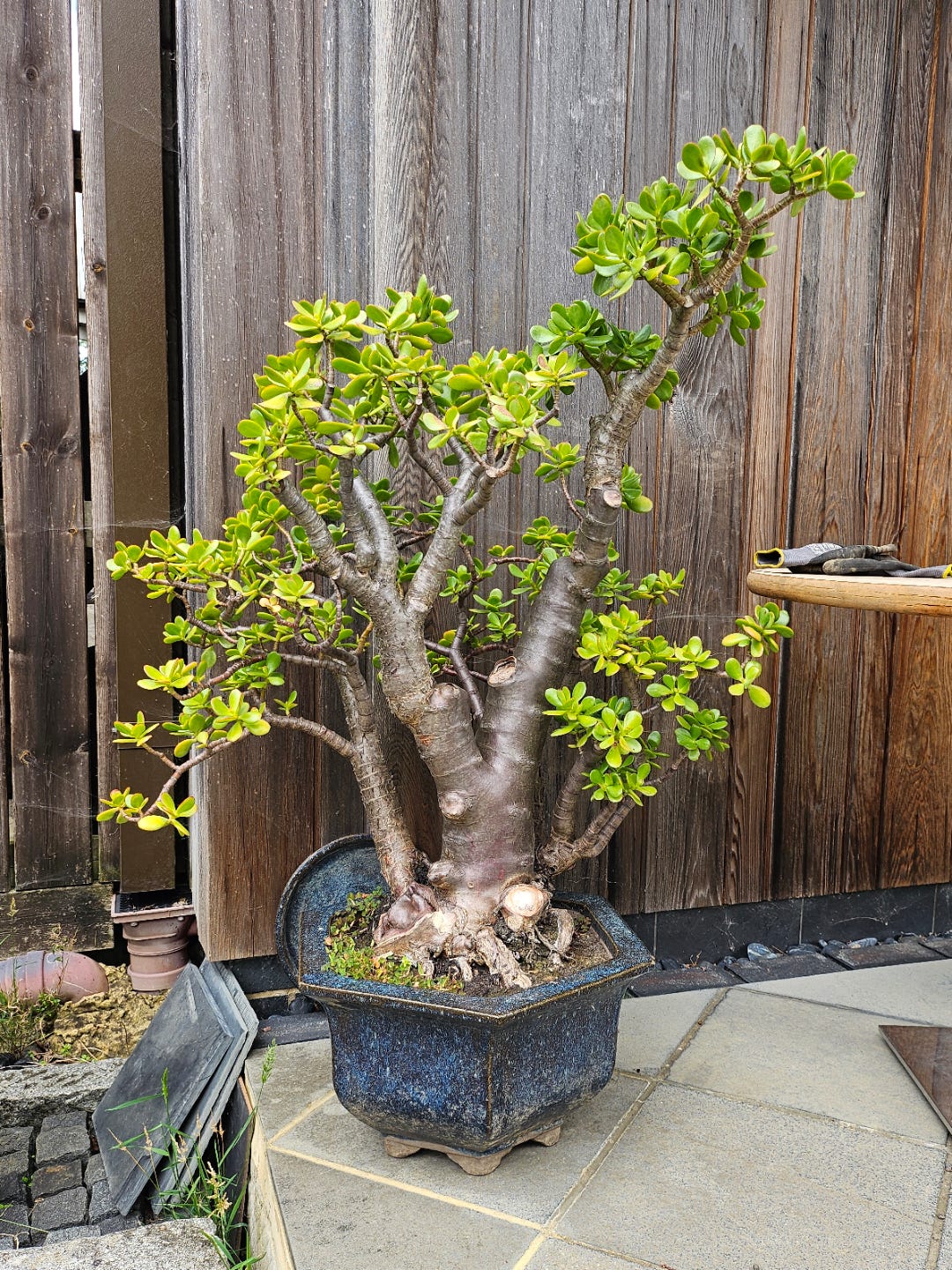
But should we really classify the bonsai phenomenon under the hexagram Gradually? Perhaps, given all the pruning and shaping involved, it would be better suited to the next one, Chapter 54. Subordinate?
Gradually and Subordinate – two characteristics that seem so different, yet are closely related. You simply need to turn one of the hexagrams upside down.

More on Subordinate coming soon.
*
