

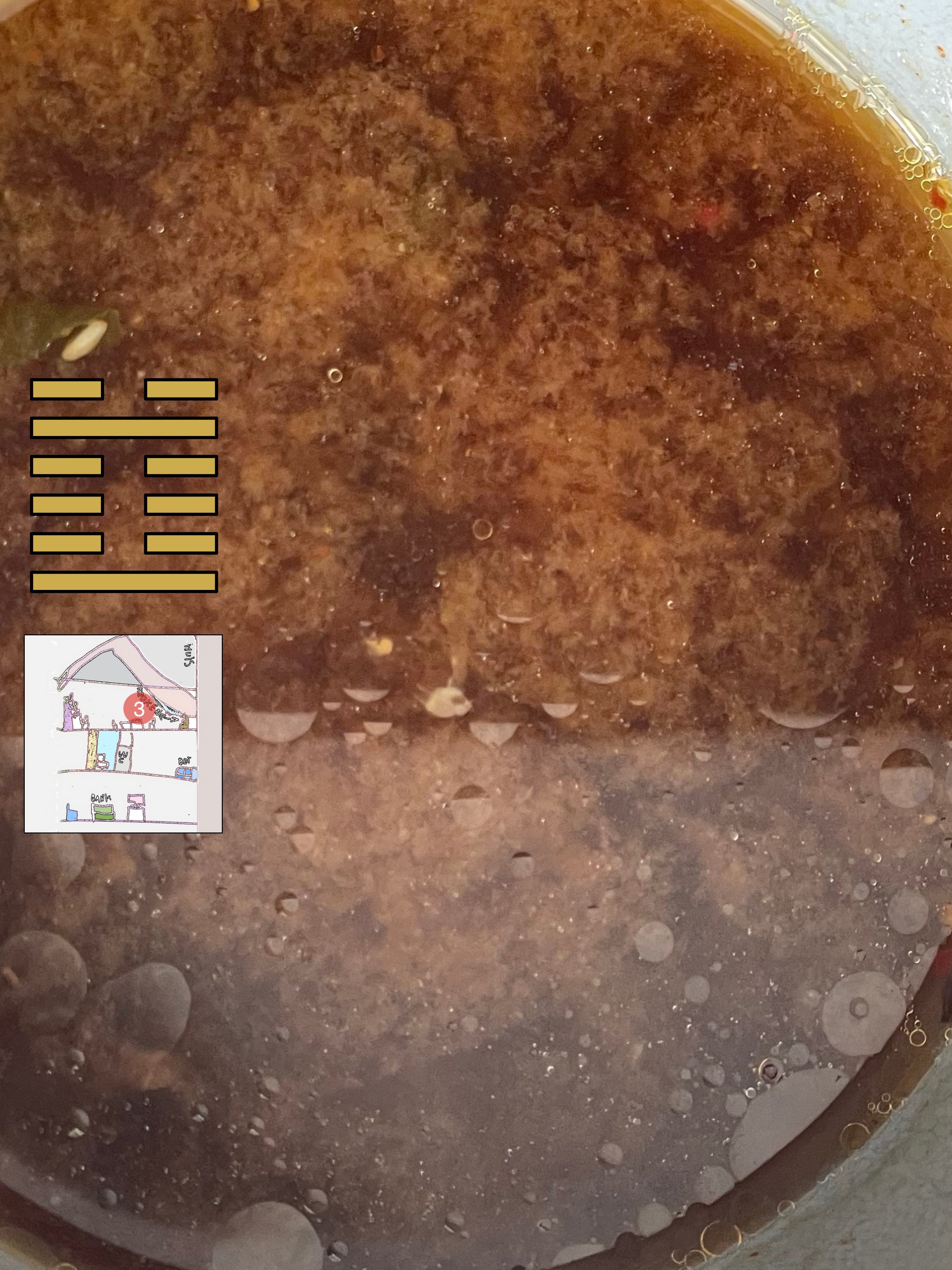
THE IMAGE of two trigrams: Water above, Thunder below. A thunderstorm, moisture, an electrical discharge, creation, a beginning.


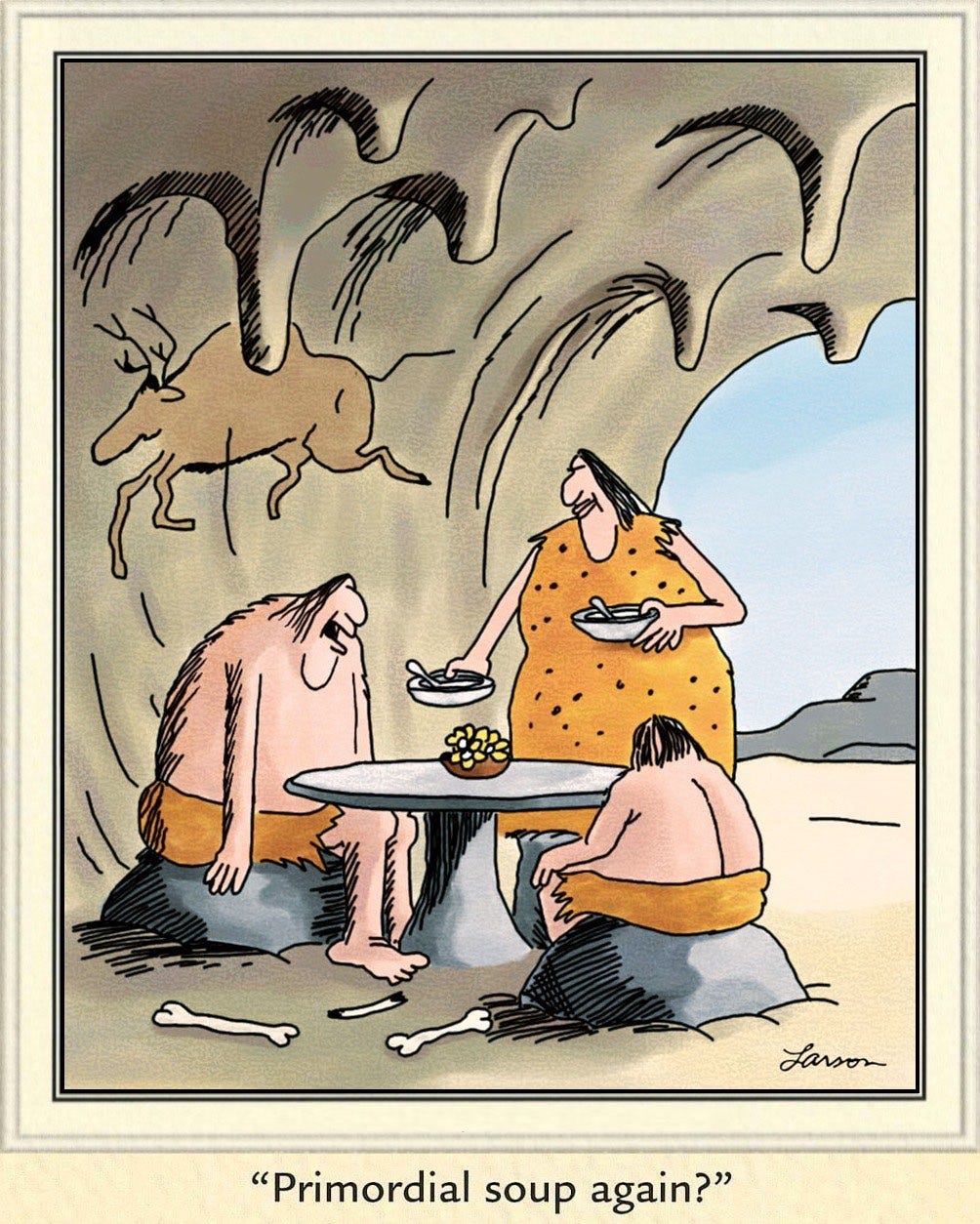
In 1953, Stanley Miller and Harold Urey conducted an experiment in which a mixture of substances such as ammonia, methane and water vapour was subjected to electrical discharges. This experiment simulated the conditions of the early Earth. In this laboratory ‘primordial soup’, amino acids – building blocks of life – appeared as if by magic.
In the decades that followed, the experiment came under scrutiny. It was said to be too simplistic a view of things, a mere flash of lightning bringing life into being. Yet the power of imagination is evoked by the idea of a primordial soup – a divine brew, though could it be any more earthly? – would never leave us. It became a source of inspiration for thinkers and artists.
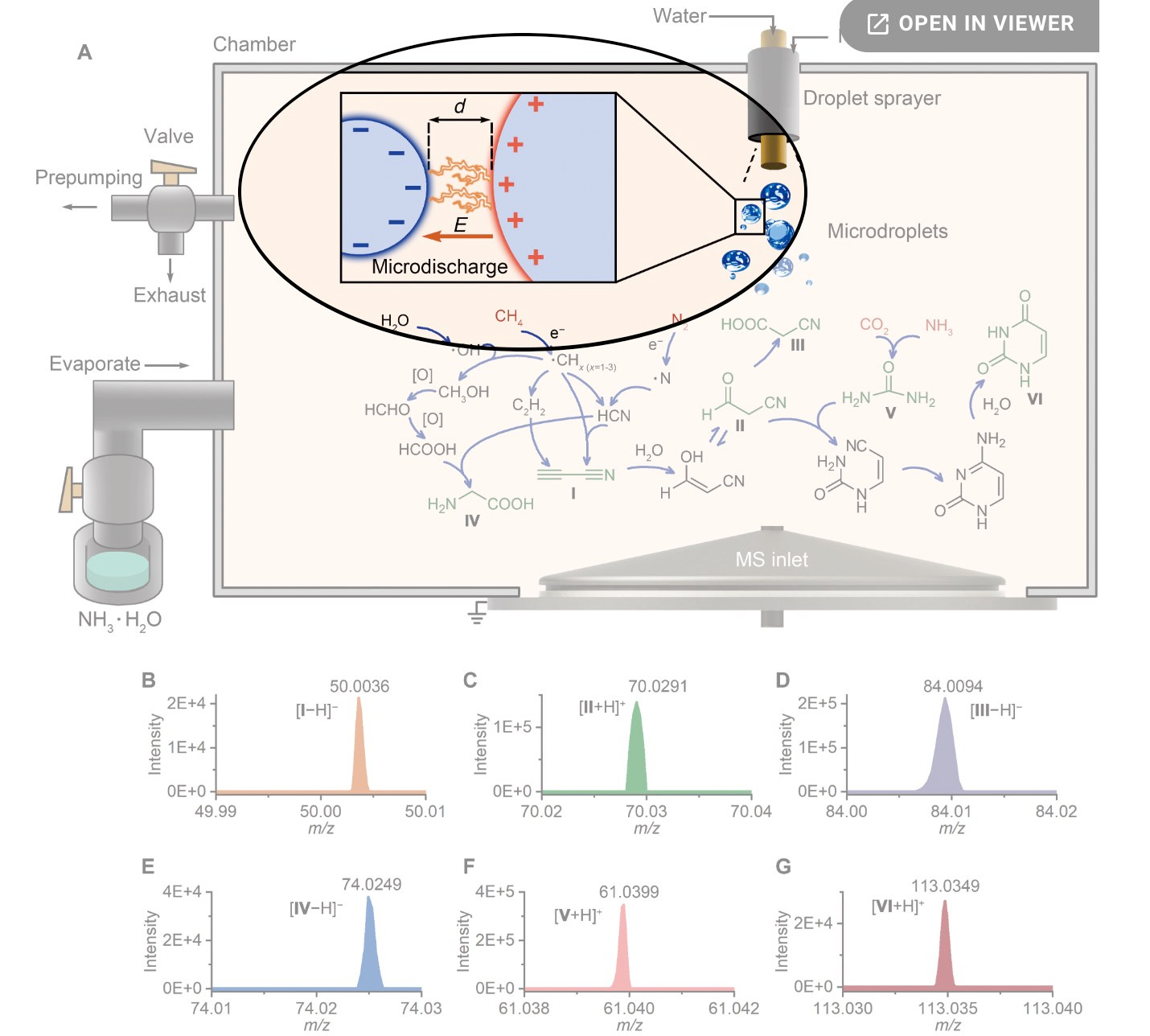
What are we to make of recent research at Stanford University into ‘microlightning’ – electrical discharges between individual water droplets – as a factor in the origin of life?
Some things have always been there: potatoes, Monday mornings and the National Lottery. It’s hard to imagine that they ever had a beginning. In your memory, they seem to have always been present. Other phenomena did have a beginning, an introduction, a debut on the scene. It couldn’t be any other way: at first they didn’t exist, and suddenly, without further ado, they had taken their place in our reality.
In the beginning, the opening words of Genesis. A phrase typically used to refer to something with a long or unknown history.
etymologiebank
That’s how it went with the concept of the primordial soup. I assume that before 1953, this was not part of everyday language. Now, the image of a bubbling, steaming and sparking primordial broth has become an integral part of our construct.
There was a primordial soup 4 billion years ago; before me stands a modern-day version.
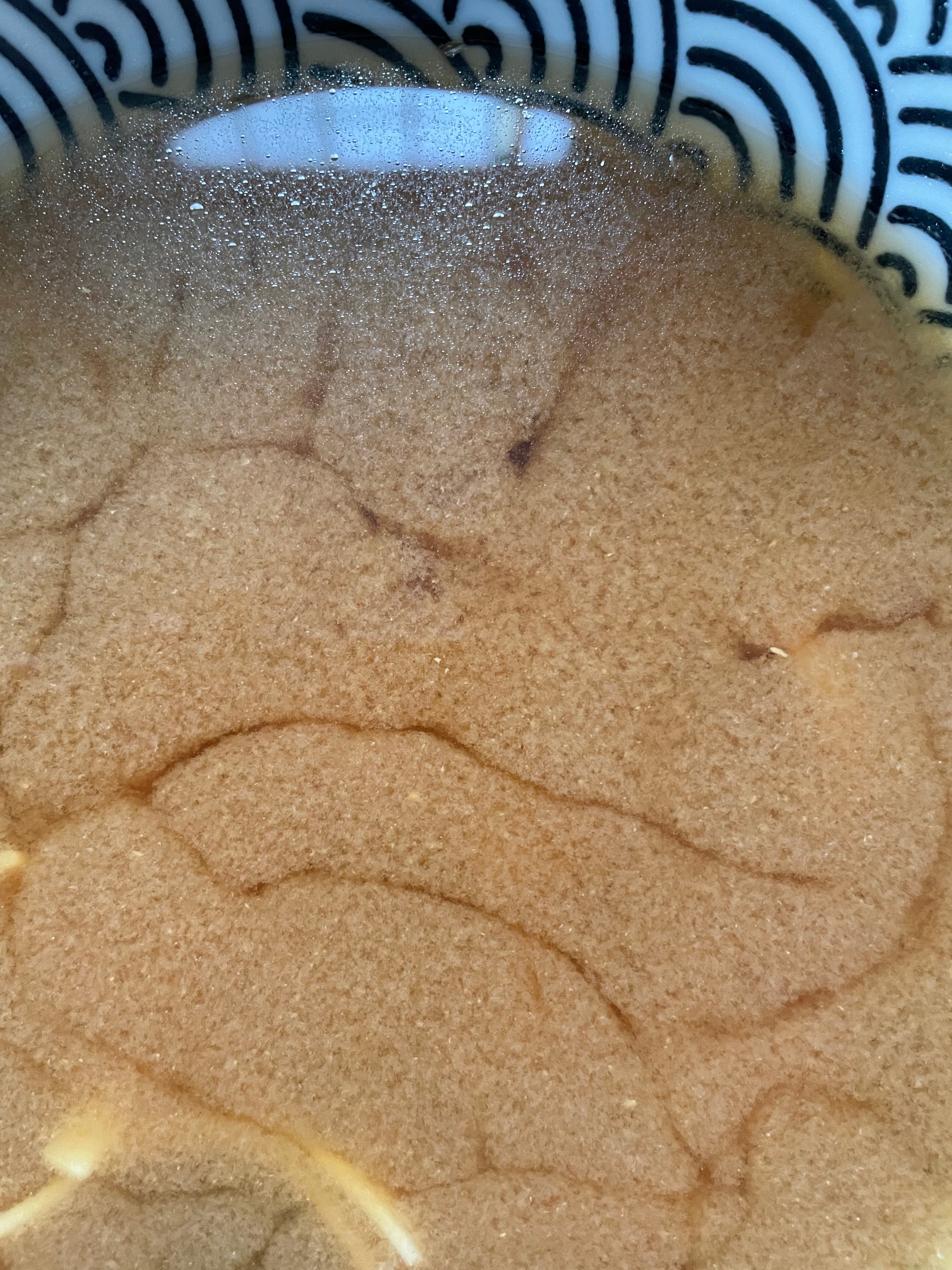
What can you discover here? Tectonic plates, lava flows, umami and CV scams?
… miso and Murano …
There are parts of the world where people start their day with miso. There are people who, instead of heading for the coffee machine, begin their day by drinking/eating a bowl of miso soup. A strange habit, a fad? That remains to be seen. Just think of it this way: before you know it, the novelty has turned into a habit, the origins of which have been forgotten. That is certainly how it went with coffee.
Coffee and miso, both made from beans. Both dark brown and comforting. But there are differences too.


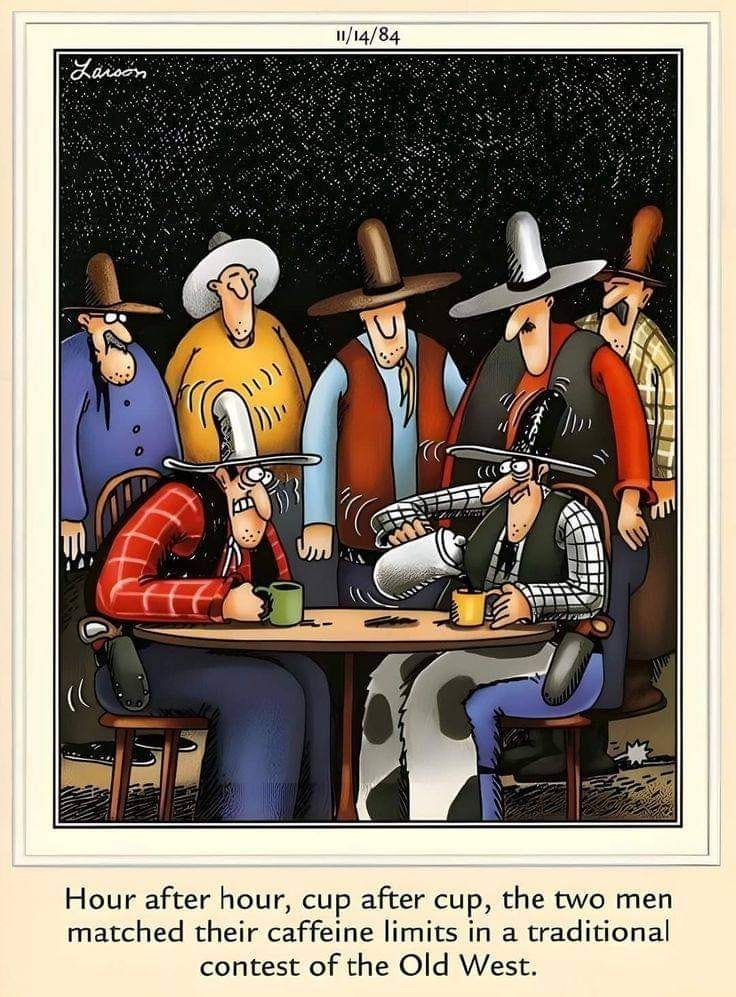
Coffee in the Age of Enlightenment? Coffee was the Enlightenment! And coffee was the cowboy life in the Wild West.
In the morning, the aroma of a perfectly made cappuccino. The shades of brown and caramel, white and ochre. If the day ahead holds the same richness, you can count yourself lucky.
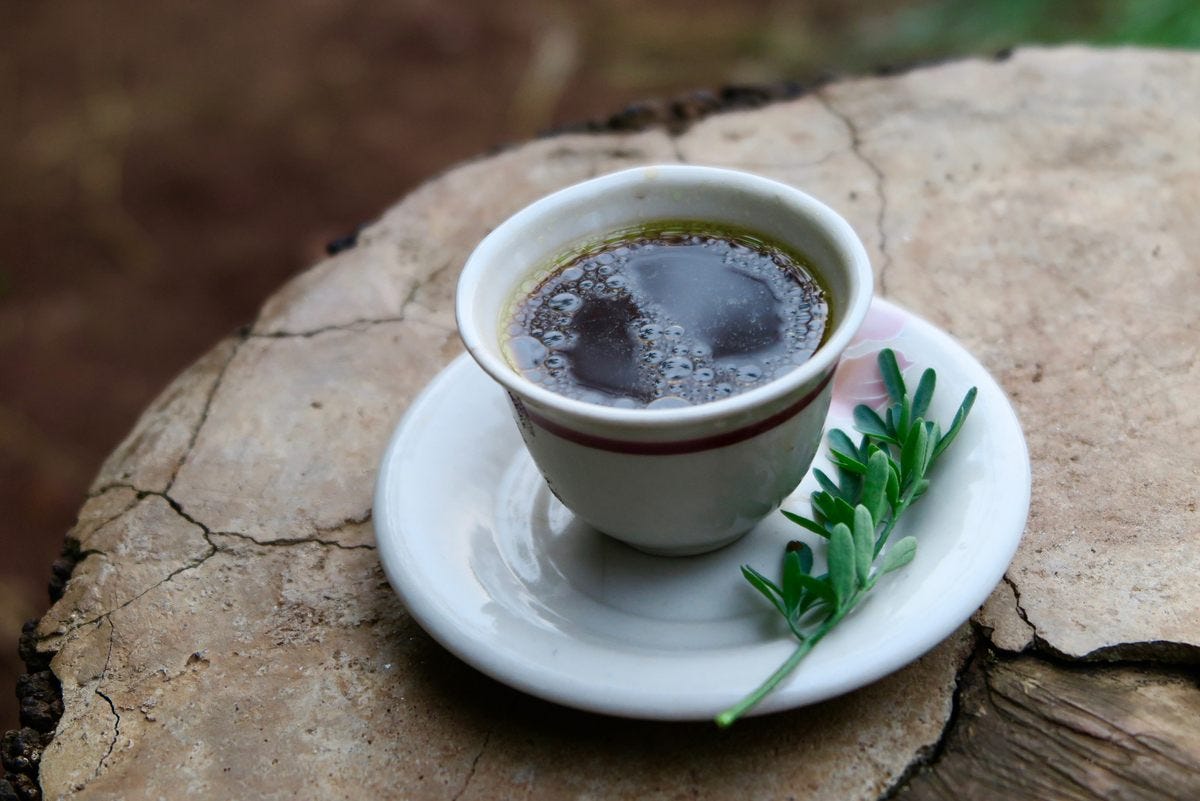
Or perhaps an archaic Ethiopian coffee with butter and a sprig of rue.
Yesterday: mugi muso, soba, dulce, a bit of kimchi, sesame and chilli oil …


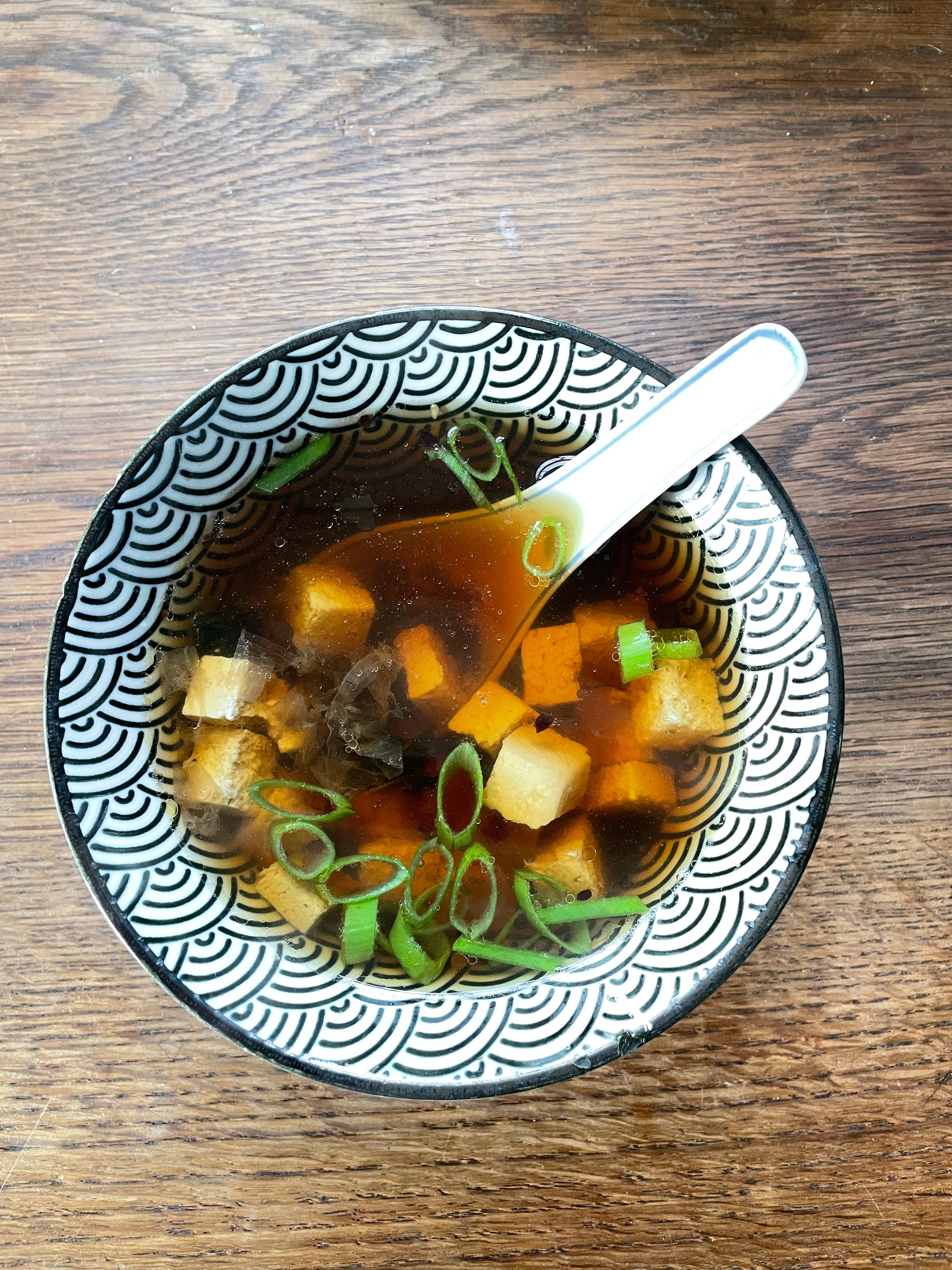
This morning: shoyu – miso’s little sister – tofu, wakame, bonito flakes, spring onions …
And finally, a few valuable tips from the miso barista …
See also:
