

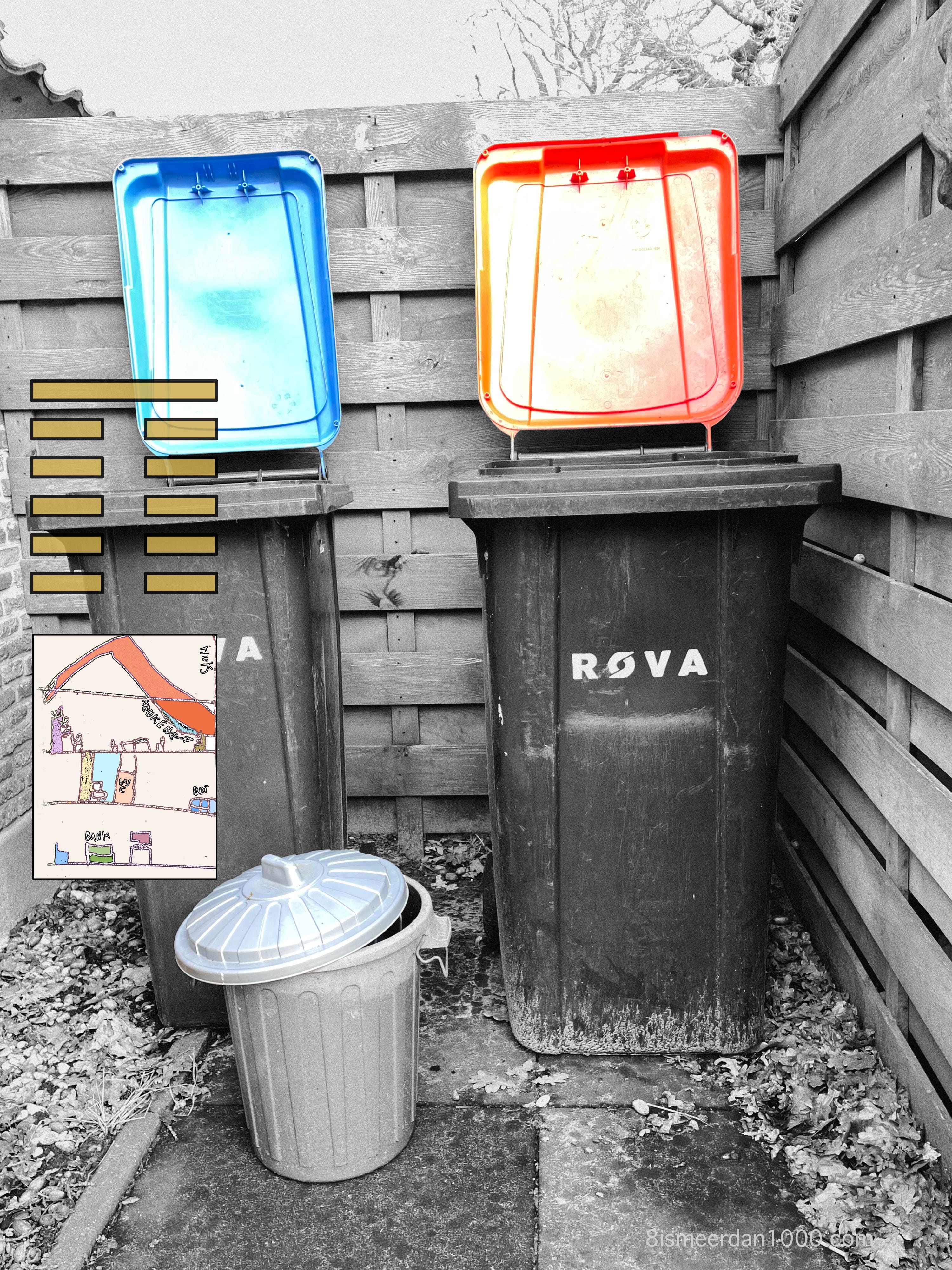
Dragged home. Bags and boxes full. Delivered to the door every day in cardboard and plastic. What follows is the Great Sorting: the valuable items in the larder, locked away. Packaging and peelings carelessly tossed into the bin. Imagine the opposite: the peelings in the pan and the potatoes in the bin.
Continuation of day 7.
Where were we? The day before yesterday was the day of the return of an unsightly dandelion. And yesterday was all about a wooden chopping board, a flat, rectangular earth.
Once again, the dice rolls, and this time it's a six.
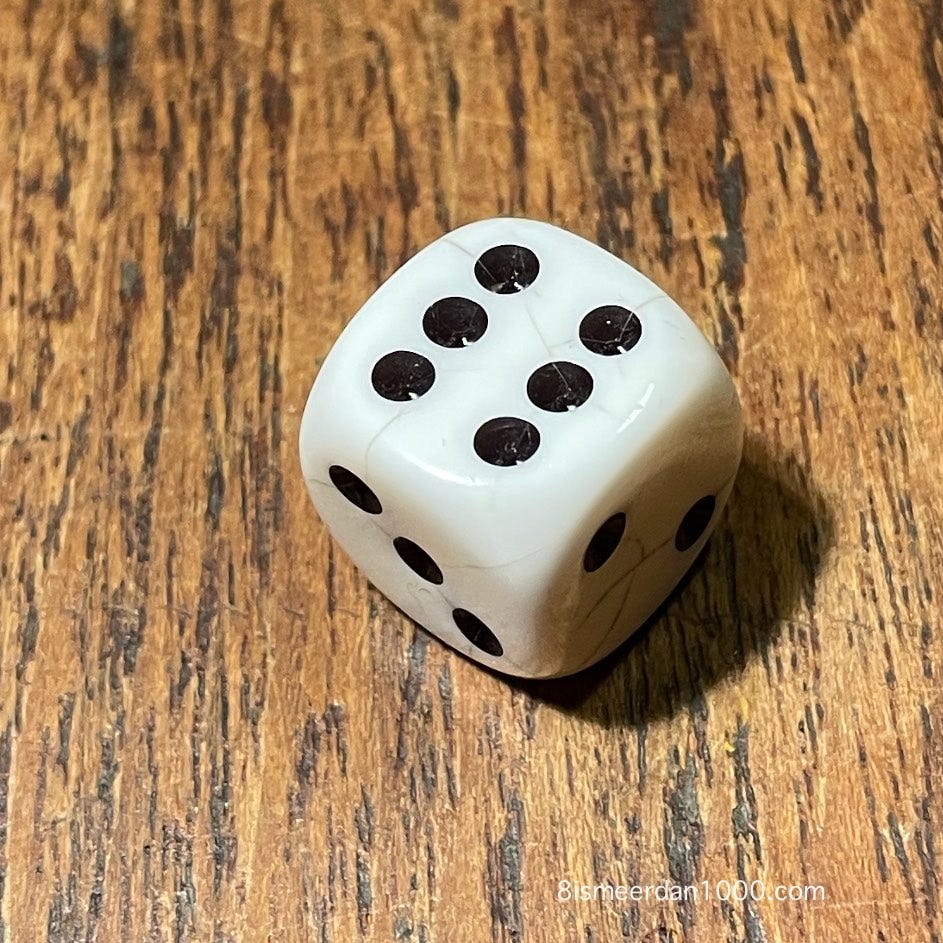
The top line is next, and changes to yang.
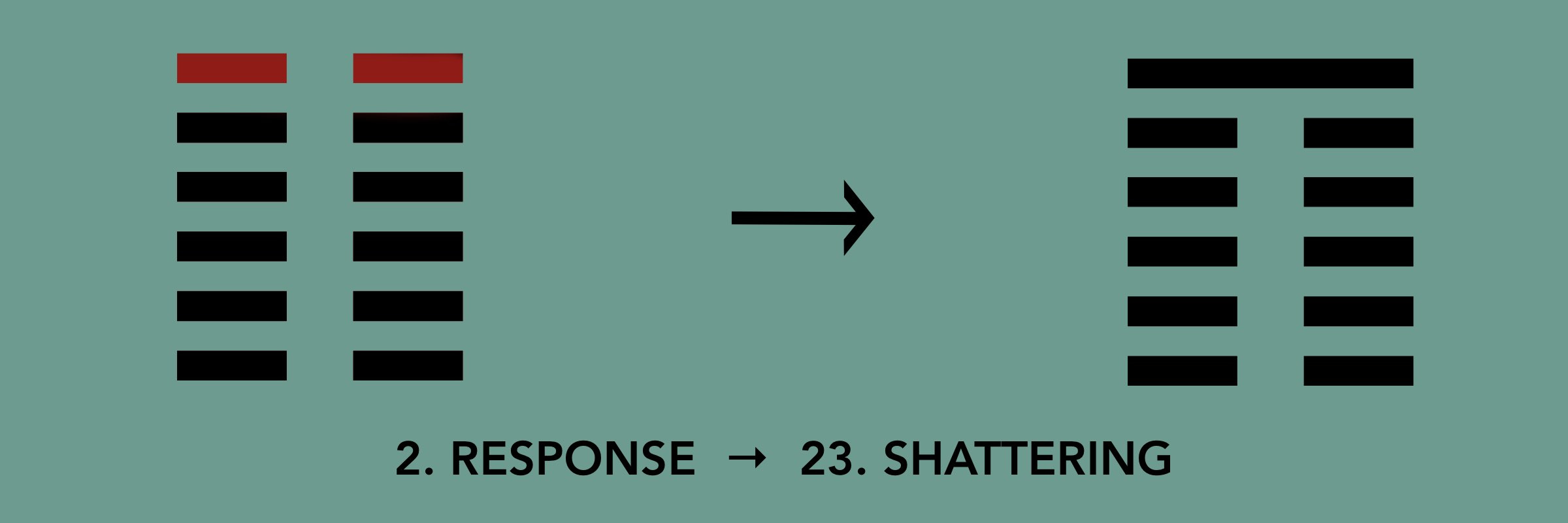
Five broken lines with one unbroken line at the top. A Mountain on top of the Earth. A mountain in the middle of a mountain range does not really stand out. If it stood alone on an open plain, it would attract full attention and the elements would have free rein on its flanks. After all, high mountains catch a lot of wind. And rain, sun and frost too. The once-imposing mountain eventually ends up as sand on the beach. The inevitable consequence of Shattering.
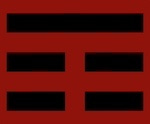
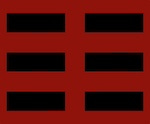
A Mountain on the Earth as a representation of gathering and accumulating. The hexagram resembles a tall, narrow warehouse, a silo, a storage container, and, indeed, a wheelie bin. A tall, open space closed at the top with a lid. The reality of the waste bin and wheelie bin unites gathering and fragmentation.
Better to stop short than fill to the brim.
Oversharpen the blade, and the edge will soon blunt.
Amass a store of gold and jade, and no one can protect it.
Claim wealth and titles, and disaster will follow.
Retire when the work is done.
This is the way of heaven.
Tao Te Ching 9, vertaling van Gia Fu Feng
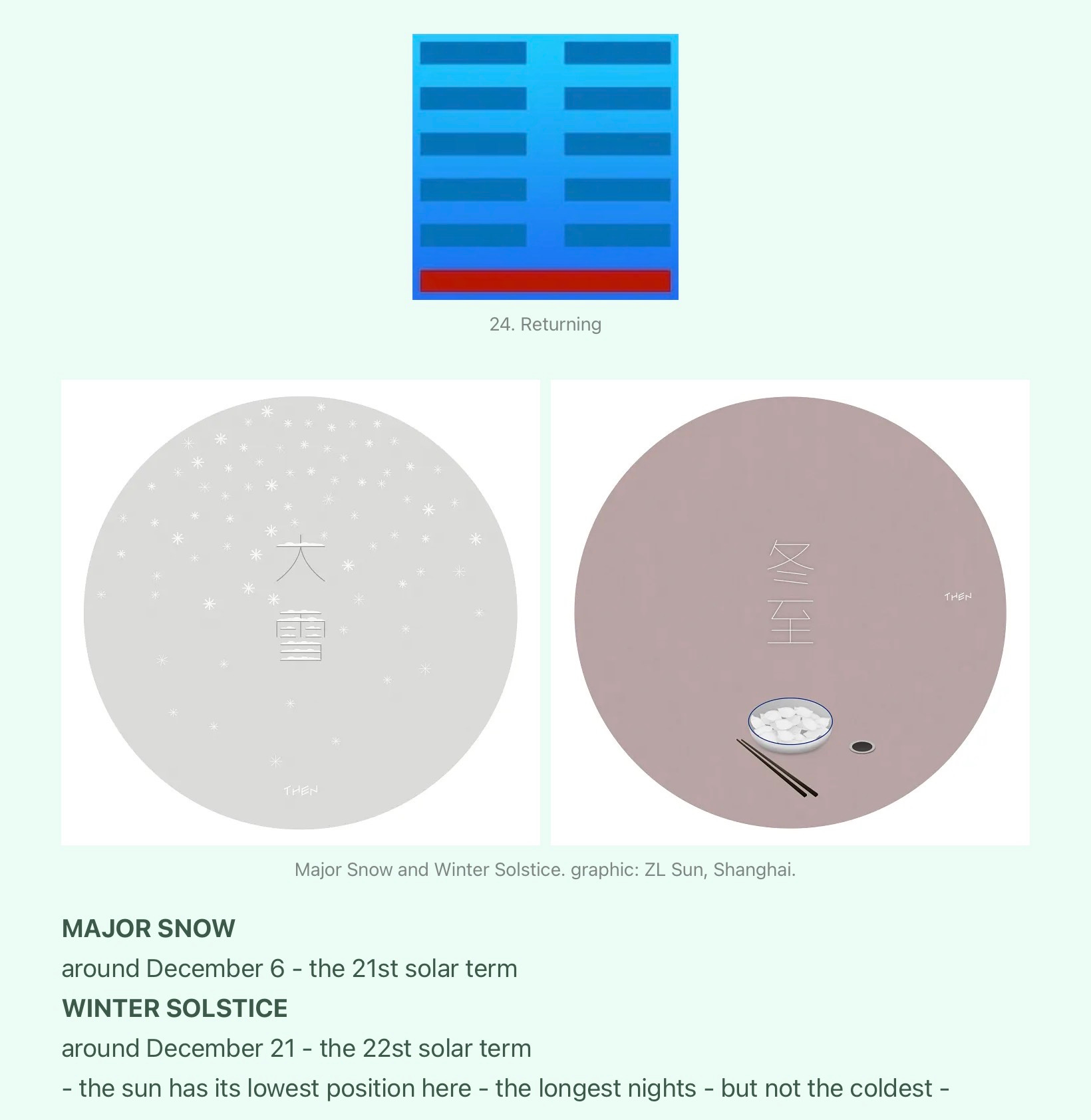
Chapter 23. Shattering describes the dynamics between gathering and falling apart. If you zoom out, you can see this same tension in the relationship between chapter 24. Returning and chapter 23. Shattering. Whereas in one hexagram the active line enters from below, in the other hexagram that same line disappears from the top.


One thing comes and another goes. Life consists of moving things around. A continuous alternation between hunting and gathering, leaving things behind and saying goodbye.


Are Returning and Shattering really that opposite? As phases of breathing and as seasonal phases, they are actually very close to each other.
Shattering as the final farewell in October ..
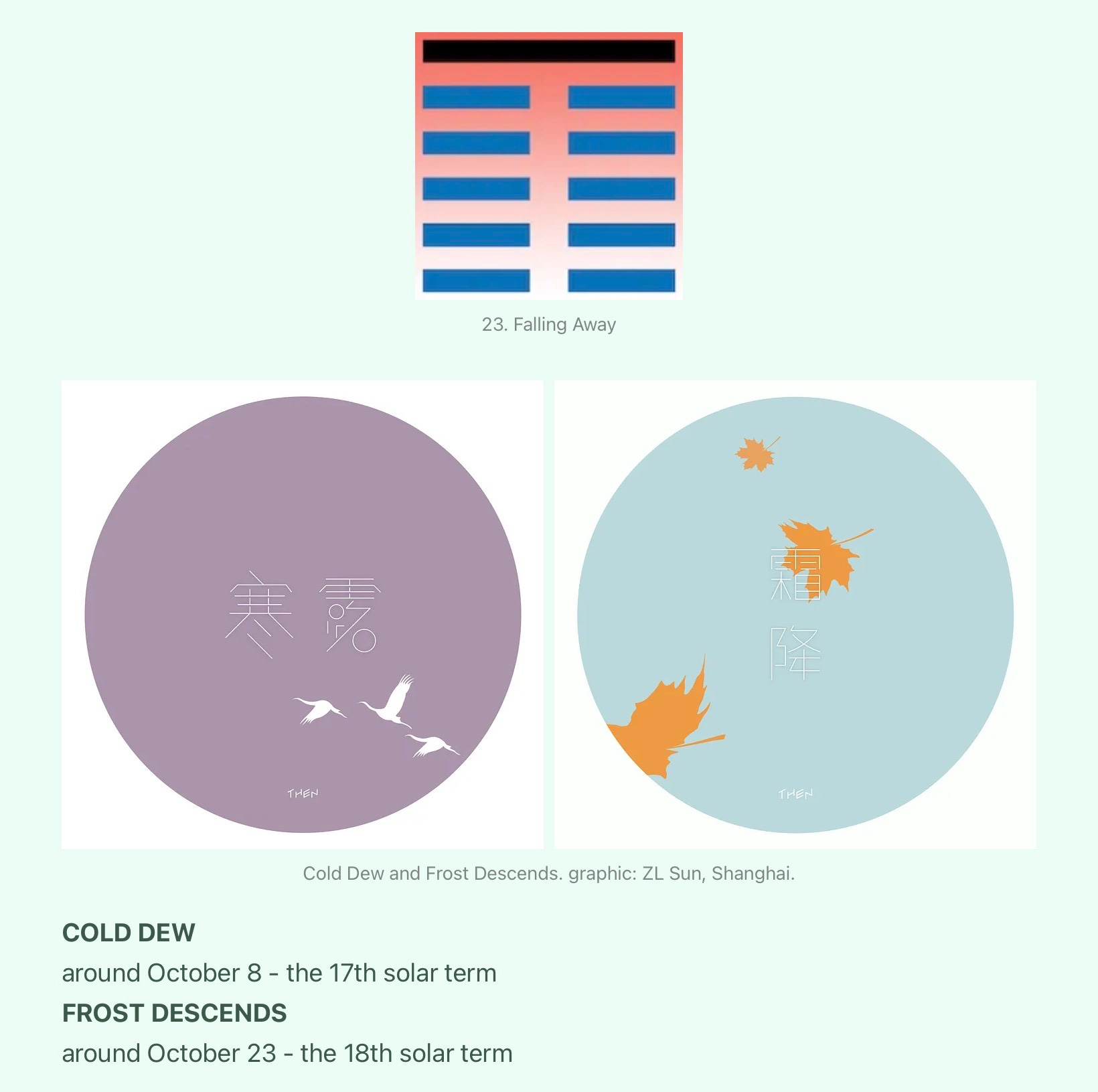
... and Returning as the brand new beginning in December.
Read as well:

The packaging of the food we buy usually states the product’s origin. In some cases, you can even use a code to find out the name and details of the farmer who grew it. Would it be a good idea to print an additional code on the packaging that would allow you to see where the waste it includes is destined to go?
Kleine bergen worden grote bergen.


If you state the origin, please also mention the destination.


How did that go again: a Mountain on Earth?


Was that wad of paper a symbol of Shattering, yet when you look to its future, you will see Returning.


A glance into the depths of the rubbish bin reveals the apocalyptic darkness of Shattering.


De etymologie van afvalemmer leidt ons naar:
afval ‘dat wat na bewerking als nutteloze rest overblijft’ -> Engels offal ‘overschot, vuilnis; slachtafval’;? Duits Abfall ‘snipper; ingewanden, vuilnis’; Esperanto defalaĵo ‘vuilnis’ <via Duits>; Zuid-Afrikaans-Engels afval ‘eetbare ingewanden van dieren, orgaanvlees’ <via Afrikaans>; Indonesisch afal ‘dat wat na een bewerking als overtollig overblijft’; Negerhollands afval ‘dat wat na bewerking als nutteloze rest overblijft’; Surinaams-Javaans afal ‘dat wat na een bewerking als overtollig overblijft’.
etymologiebank.nl
en:
emmer zn. ‘vat met hengsel’ Mnl. emer ‘emmer’ [1240; Bern.], emmer- ‘emmer-’ [1434; MNHWS]. Oude Germaanse ontlening aan Latijn ampora, een variant van amphora ‘tweeorige kruik’ (zie → amfoor), vandaar de Oudhoogduitse en Oudengelse vormen met a-. Daarna volksetymologisch geherinterpreteerd als samenstelling van ein (Hoogduits) of → een (Nederduits, Nederlands) en een ablautvorm van het werkwoord bēran- ‘dragen’ (zie → baren, → baar 1), vanwege het ene handvat aan de emmer.
etymologiebank.nl
Het kan dus verkeren. Een vuilnisemmer met hengsel als amfoor. En eem lang geleden achteloos weggegooide amfoor die weer opduikt als archeologische vondst. De versplinterde terugkeer.


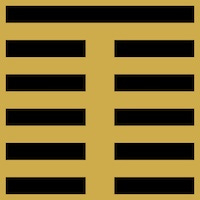
To be continued tomorrow...