
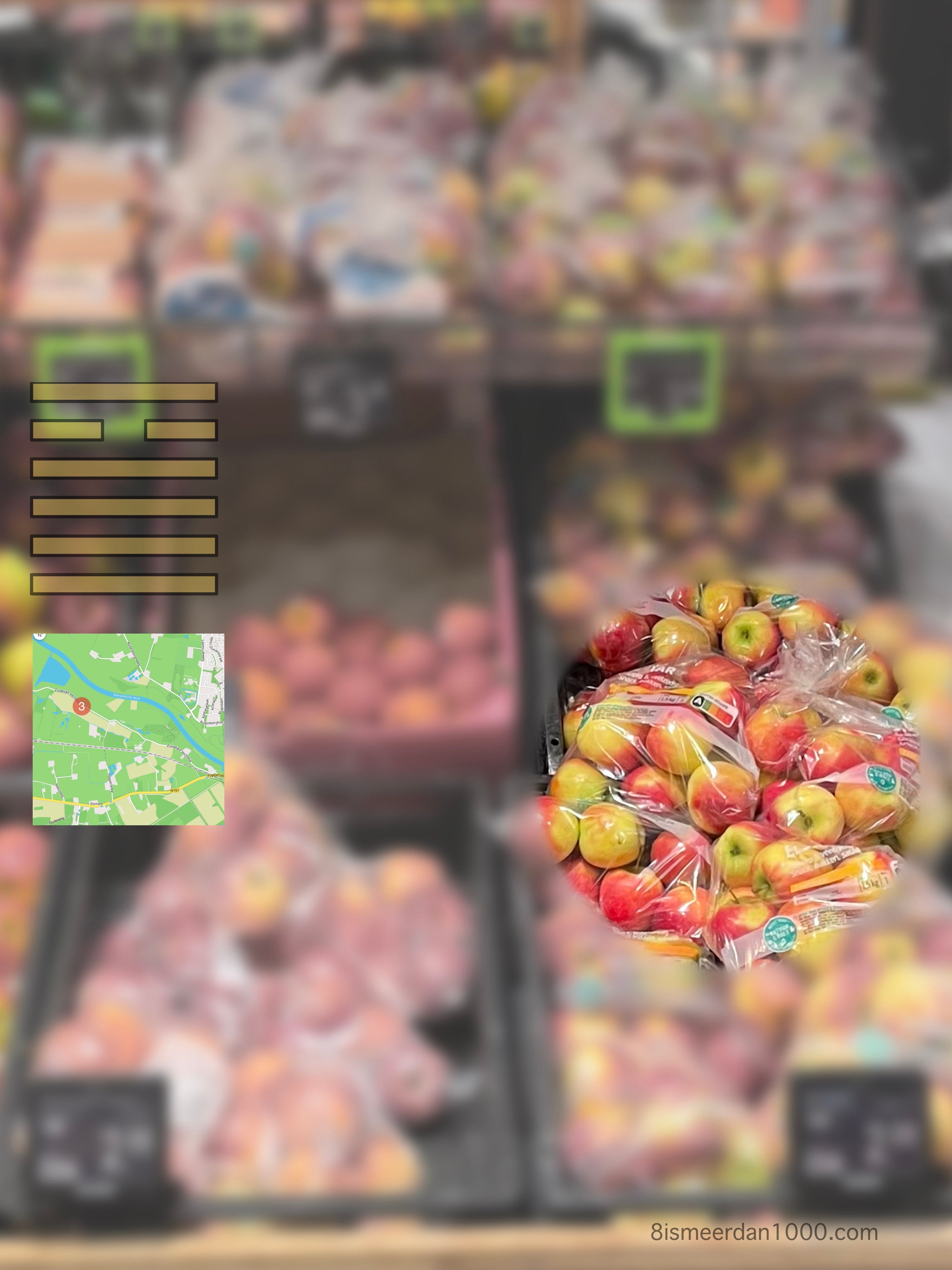
At our local supermarket, apples are available all year round. It’s highly unlikely that the apple shelf will be empty, and a sign would be put up saying ‘sold out’ or ‘for apples, please wait until the next harvest’ or ‘due to scarcity, a maximum of two apples per customer.’ We are blessed to live in an age where the abundance of an annual medieval harvest festival is repeated on any given weekday. In the supermarket. Our ancestors could never have dreamt of it: the reality of an uninterrupted supply would have far exceeded their imagination.
Apples every day of the year, as many as you like, at a bargain price. An unprecedented success story that does, however, have a few downsides.
One of these is that the range of varieties has been dramatically reduced over the last century. Where are the hundreds of varieties described and illustrated in Apples of New York, Pomona Herefordiensis, USDA Pomological Watercolours and Deutsche Pomologie – books about the common fruit of around a hundred years ago?
Count the different varieties of apple you come across in the supermarket over the course of a year, and you probably won’t even reach ten.
Over the past 50 years, agricultural practices have changed dramatically, with technological advances allowing large-scale crop production. But while crop yields have increased, biodiversity has decreased to the point that now only about 30 crops provide 95% of human food-energy needs. Only 10% of the rice varieties that China used in the 1950s are still used today, for example. The U.S. has lost over 90% of its fruit and vegetable varieties since the 1900s. This monoculture nature of agriculture leaves food supplies more susceptible to threats such as diseases and drought.
bron: time.com/doomsday-vault
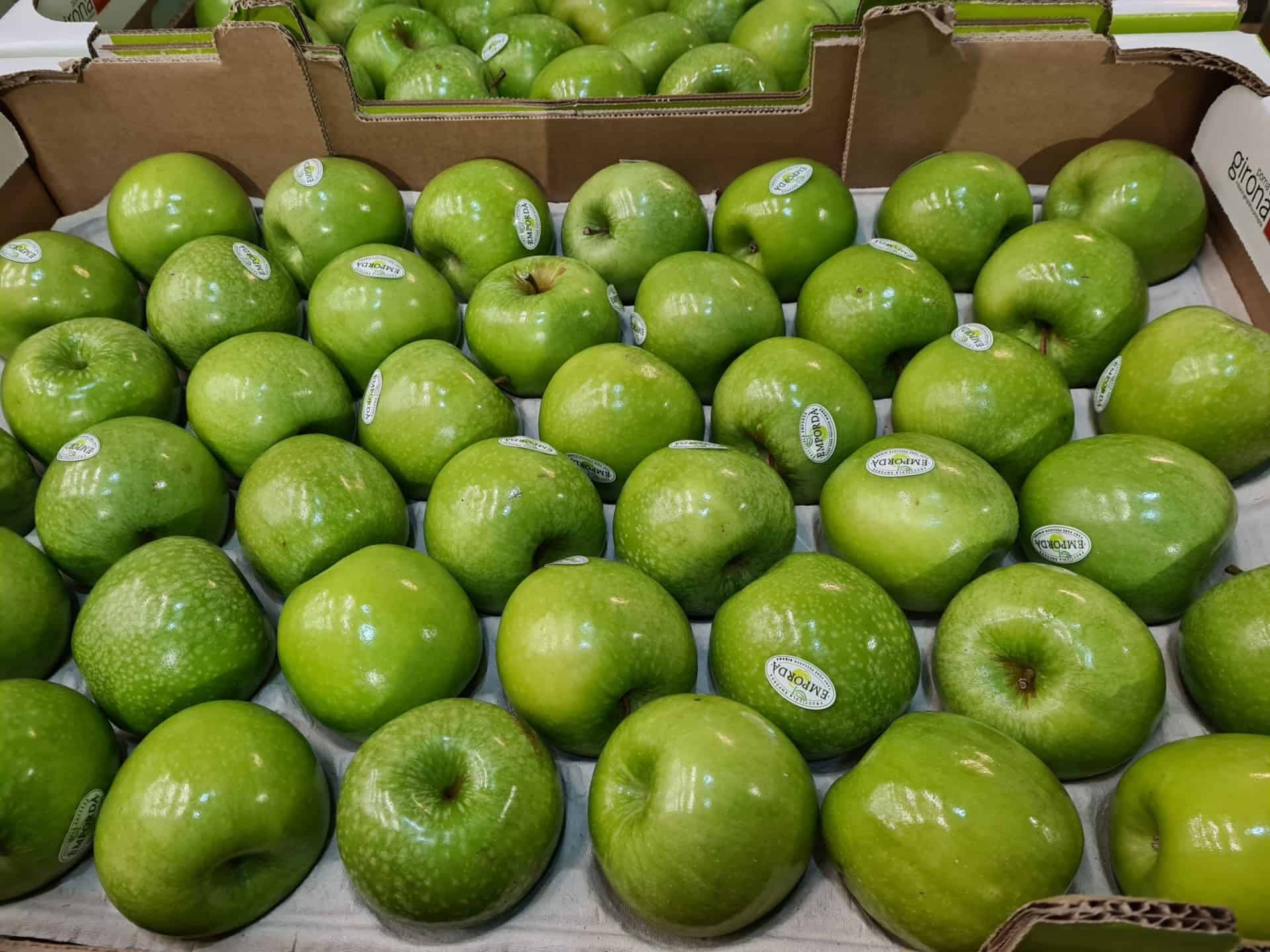
If we are to believe the breeders and food producers, the Kanzi, Jazz, and Fuji varieties were developed to satisfy consumers’ tastes and meet their demand. There’s no getting round it – the customer is king. And that king simply loves things that are sweet and simple, shiny and flawless, and, according to the food industry, certainly not keen on any kind of flavor adventure.
It’s a shame that the king has such a short memory. After all, how long has it been since you came across Almota, Arkansas Beauty, Autumn Grey, Butter Sweet, Carlough, Claribel, Colman, Dickinson, Eper, Excelsior, Ewalt, Fink, Flushing Spitzenburg, Gold Ridge, Iowa Flat, Ivanhoe, Jackson Winter Sweet, Junaluska, Kay, Kittageskee, McAfee, Milalyfi, Nelson Sweet, Nero, Palouse, Regmalard, Sary Sinap, Saxon Priest, Shackleford, Steptoe, Streaked Pippin, Surprise #1, Sweet Dixon, Whitman, Aaron Holt, Aberdeen, Adam's Pearmain, Allum, American Beauty, August, Aunt Rachel, Baker's Ditch, Banks Red Gravenstein, Bevan's Favorite, Bietigheimer, Black Amish, Black Annie, Black Coal, Black Hoover, Black Spy, Blenheim Orange, Bloodgood, Blue Pearmain, Buckingham, Cannon Pearmain, Carolina Red Streak, Chenango Strawberry, Clayton's Beauty, Coos Bay Late Benoni, Cornish Gilliflower, Detroit Red, Early Joe, Esopus Spitzenburg, Fall Pippin, Father Abraham, Gano, Gate, Golden Russet, Gravenstein, Hackworth, Hanging Pearmain, Hoover, Hubbardston, Kearney's Pippin, Kentucky Red Streak, King of the Pippins, Late Strawberry, Mammouth Black Twig, Missouri Pippin, Nat Ewing, Newtown Pippin, Nickajack, Norfolk Pippin, Paragon, Raven's Egg, Red Astrachan, Red Gilliflower, Rockingham Red, Roxbury Russet, Senator, Sheepnose, Sterling Beauty, Striped Ben Davis, Striped June, Summer King, Summer Pearmain, Sutton's Beauty, Twenty-Ounce, Tobias Black, Virginia Beauty, Western Beauty, White Astrachan, Winter Banana, Woodpecker, Yearry and the Westfield Seek-no-further?
In 2026, the Elstar is the queen of apples, at least when it comes to total annual sales. It takes the top spot with a whopping 40 per cent of the market. In second place is the Jonagold, with around 25 percent. The newcomer Kanzi and the Royal Gala follow, each with around 8 percent. Then there’s 6 percent for the ever-present Granny Smith (acetic acid, toothache) and 5 percent for the old-fashioned Boskoop or Goudreinet. (These numbers are related to the Dutch market.)
The apple trade is therefore dominated by a very small number of commercial successes.


Illustrations from ‘Pomona Herefordiensis’, an English book published in 1811 about ‘old cider and perry fruits’. Top row: The Foxwhelp, The Hagloe Crab and The Orange Pippin. Middle row: The Downton Pippin, The Friar and The Foxley Apple. Bottom row: The Pauson, The Yellow Elliot, The Old Quining. If you’re lucky, the greengrocer on the corner might have the Orange Pippin for you in late summer. As for the rest, he – and we – have never even heard of them, let alone tasted one. And anyway, apples for cider? And what exactly is ‘perry’?
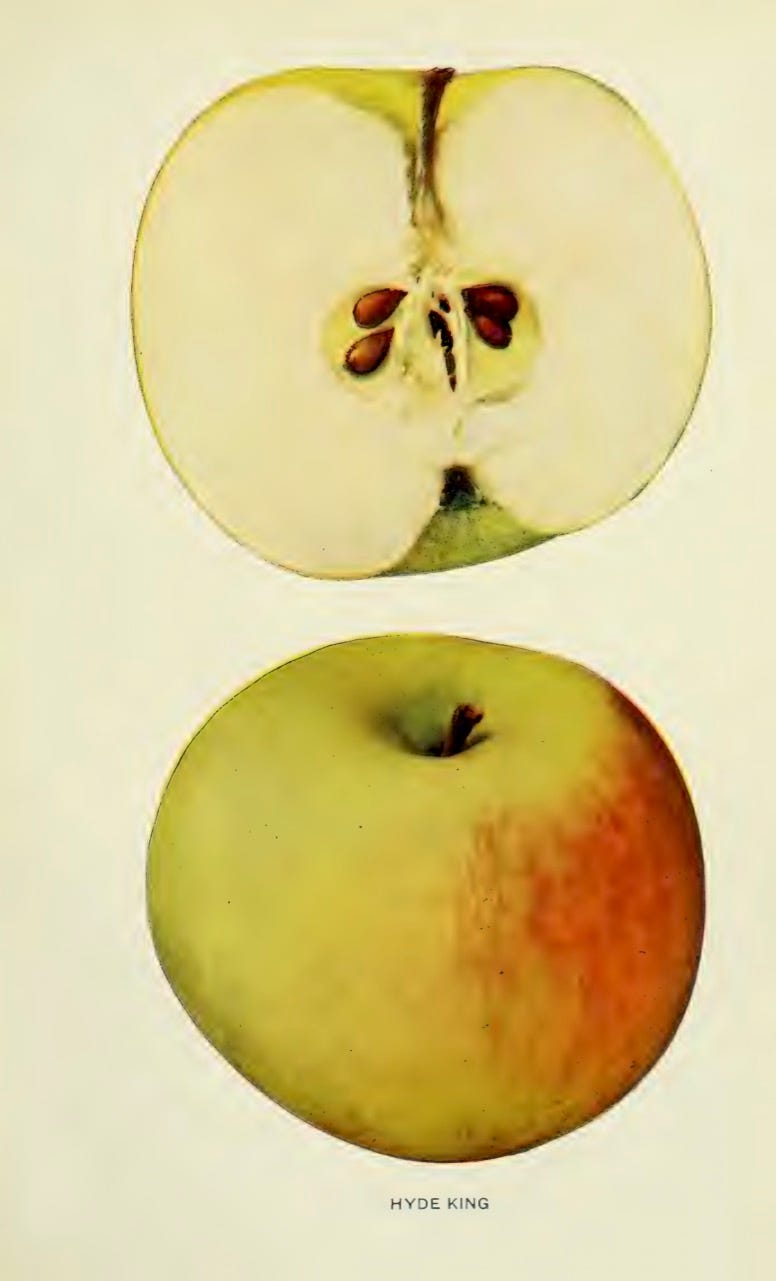
‘Apples of New York’ describes a vast number of apple varieties found in gardens and orchards across the United States around 1900. Here is the Hyde King.
The index of names in Apples of New York alone reads like poetry. Canada Baldwin, Canada Reinette, Clayton, Dickinson, Doctor, Dumelow, Dutch Mignonne, English Russet, French Pippin, Gideon Sweet, Gilpin, Golden Medal, Golden Russet, Lankford, Titus Pippin, Tolman Sweet, Twenty-Ounce Pippin, Wagener, Walbridge, Westfield Seek-No-Further, White Pearmain, Winter Banana, Yellow Bellflower, ….


Illustrations from ‘Deutsche Pomologie,’ a book about fruit published in 1882. Chromolithographische Abbildung, Beschreibung und Kulturanweisung der empfehlenswertesten Sorten Äpfel, Birnen, Kirschen, Pflaumen, Apricosen, Pfirsiche und Weintrauben, nach Ermittlungen des Deutschen Pomologenvereins. Top row: Alantapfel, Grosser Bohnapfel, Rother Herbst-Calvill. Middle row: Charlamowsky (‘… and could you also give me two kilos of Charlamowskies, greengrocer?’), Purpurrother Cousinot, Goldzeugapfel. Bottom row: Kaiser Alexander, Danziger Kantapfel, Prinzenapfel.
Global harvests – and not just those of apples – have never been as large as they have been in recent decades. There can be no doubt that the resulting significant increase in food security is a blessing for the world. However, while the bulk of the harvest has grown enormously, its diversity has declined dramatically.
The Latin verb augēre – to increase – is etymologically linked to augustus. This is the honorific title of Octavius Caesar, Emperor Augustus, ‘the increaser’. The eighth month is named after him, the ‘oeghstmaent’ (‘harvest month in old Dutch), in which each year the increase – from a single seed to many – takes place.
August
eighth month, late 11c., from Latin Augustus (mensis), sixth month of the later Roman calendar, renamed from Sextilis (literally “sixth”) in 8 B.C.E. to honor Emperor Augustus Caesar, literally ‘Venerable Caesar’. One of two months given new names to honor Roman leaders (July being the other), the Romans also gave new imperial names to September (Germanicus) and October (Domitian) but these did not stick.

THE IMAGE: Fire above Heaven The sun is high in the sky. The dry heat of late summer is ripening the fruit and seeds. They are becoming ever thicker, heavier, and sweeter. Everything comes together in the great harvest.
If you take the time to look through your eyelids, you can still see the recent past of seed and fruit, their former forms. Such as the still-green fruit, the thickened fruit base, the open flower, the pistil, and the stamens. And also: insects and wind, the sun and spring rain, delicate, translucent leaves, the still-closed leaf and flower buds. A germinating seed. And the previous harvest.
*
A selection of just ten varieties of apple, but in huge quantities: do we need to call it a large harvest or a small harvest?
*
