


What do you see? A dog in the woods. The dog leaves. The woods remain.
The previous post ended with:
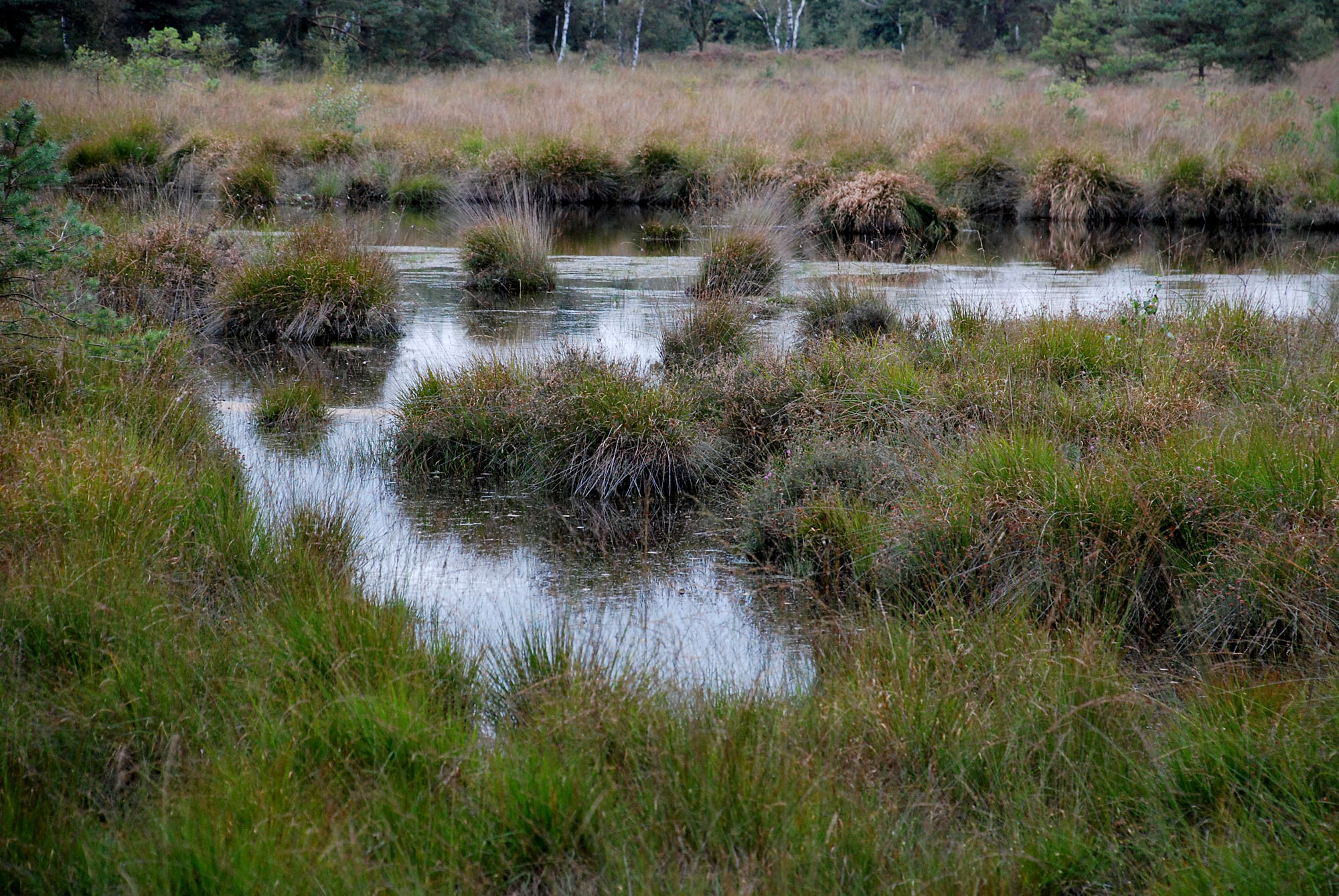
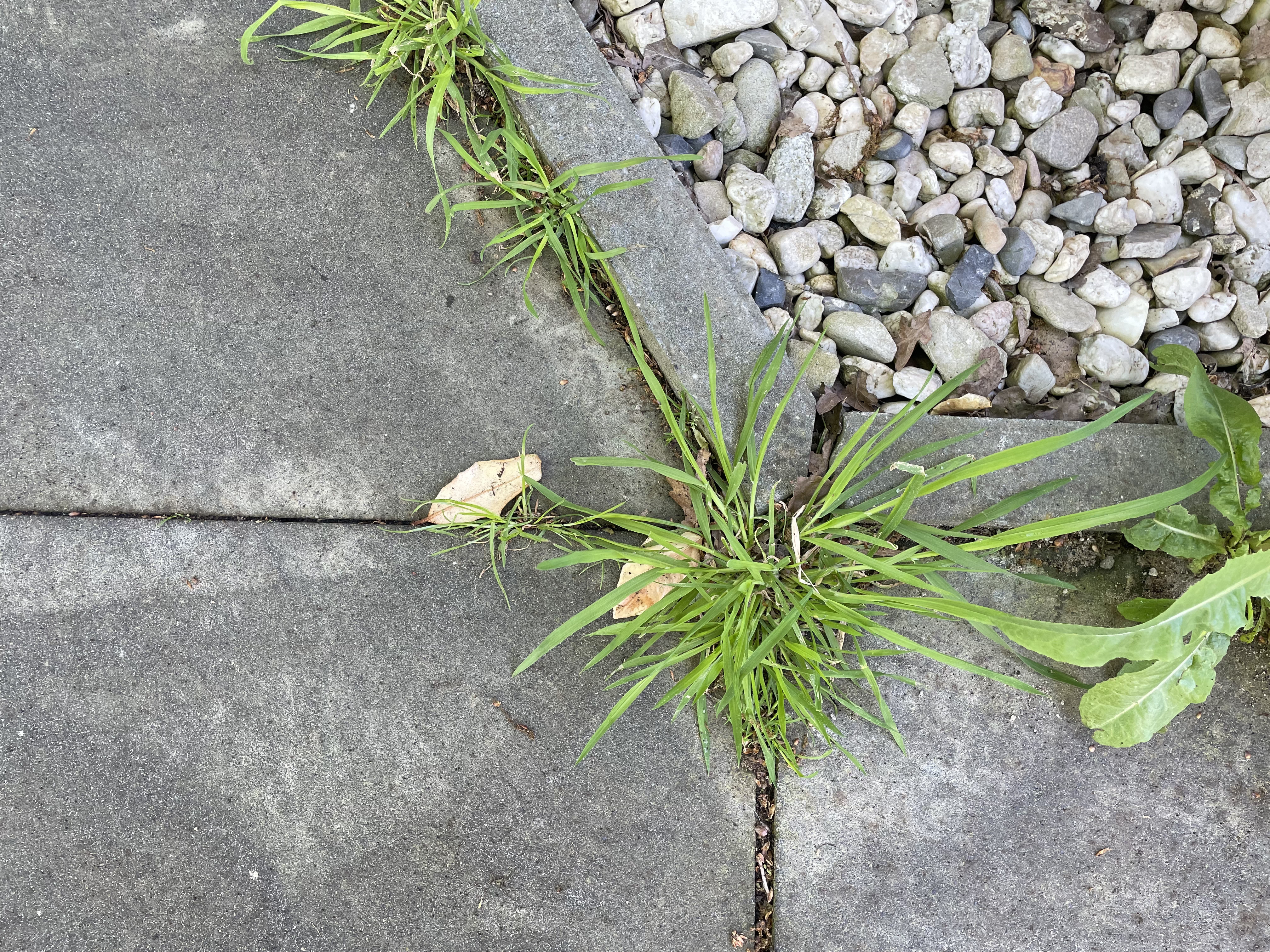
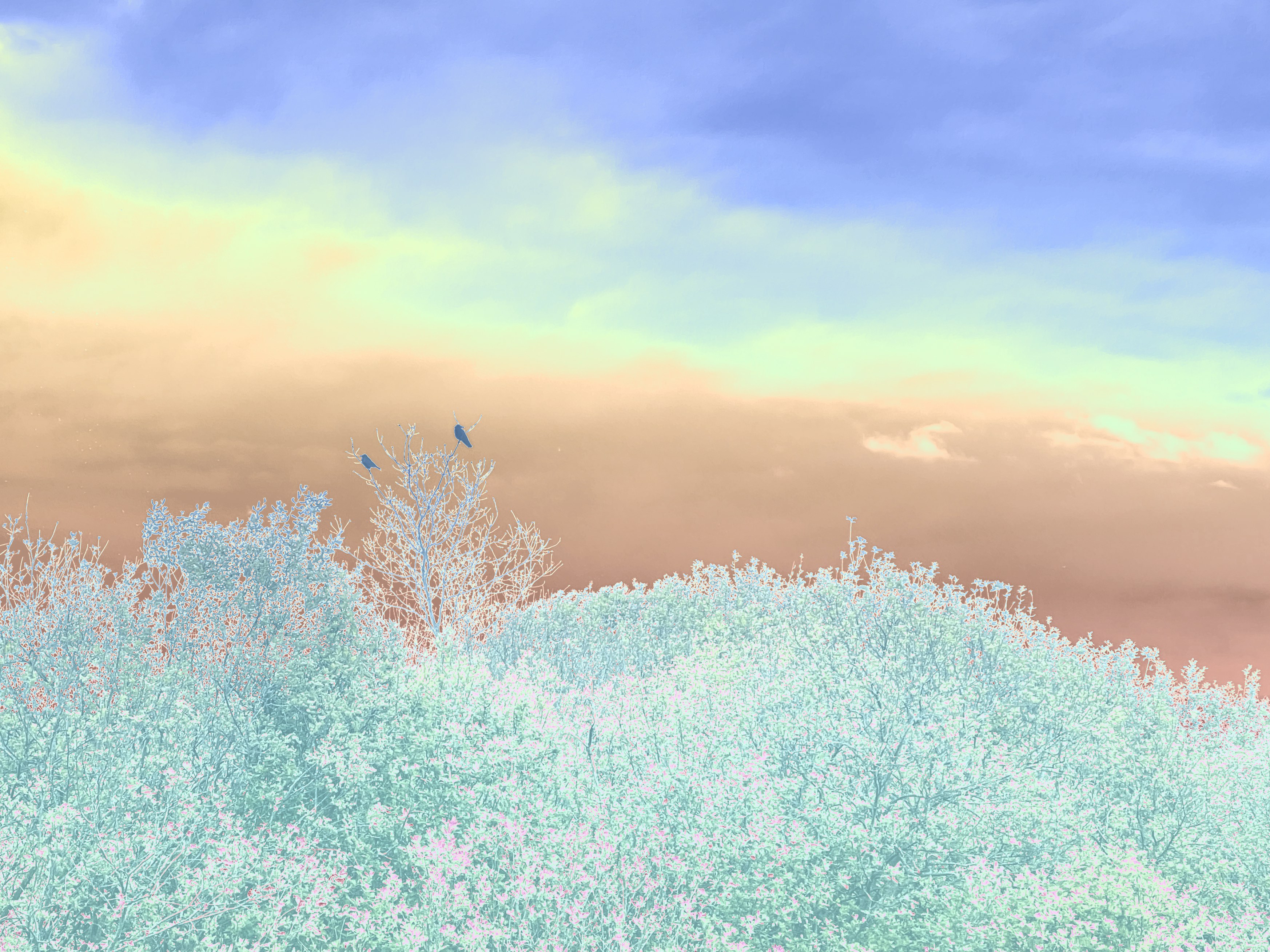
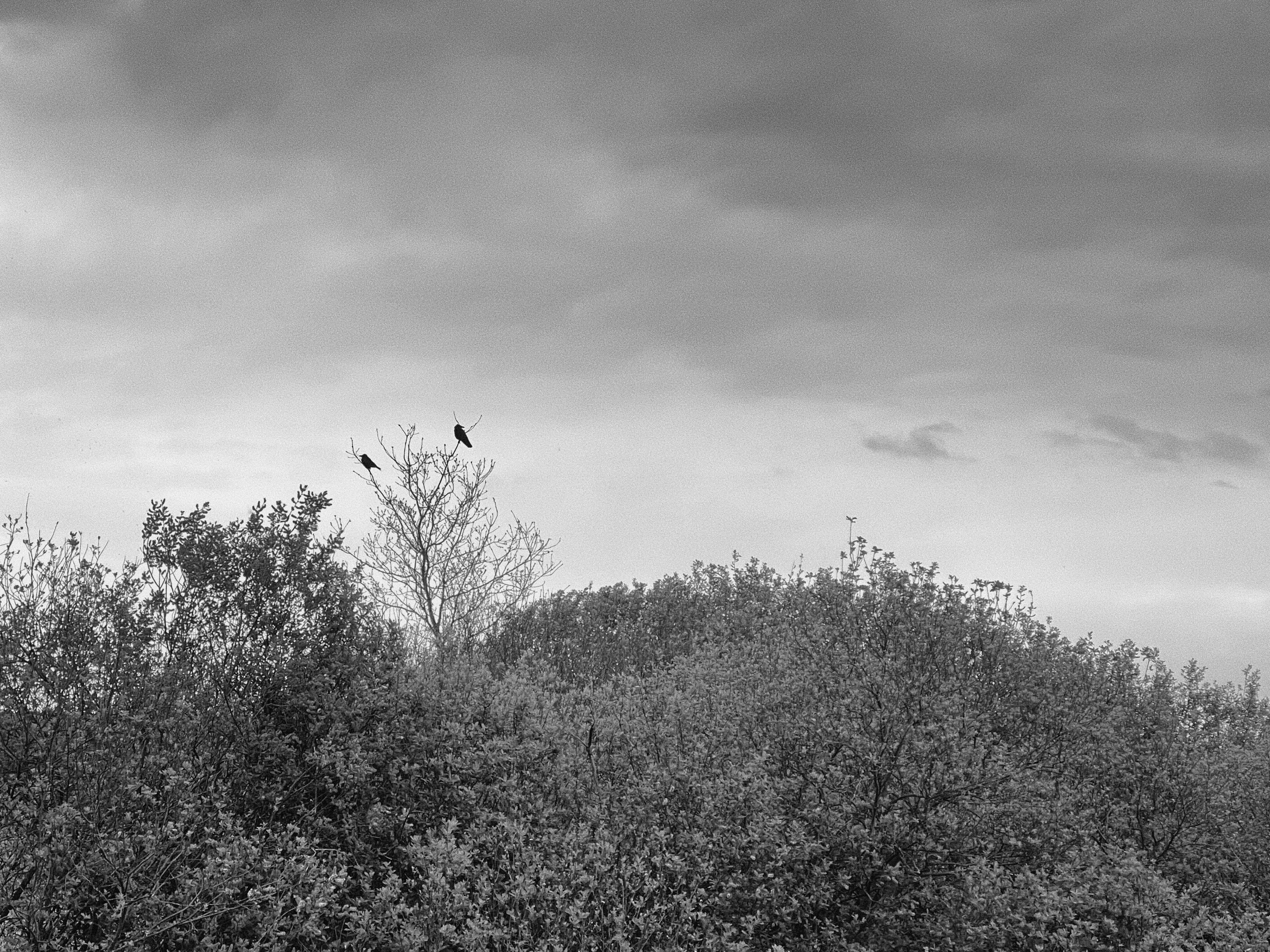
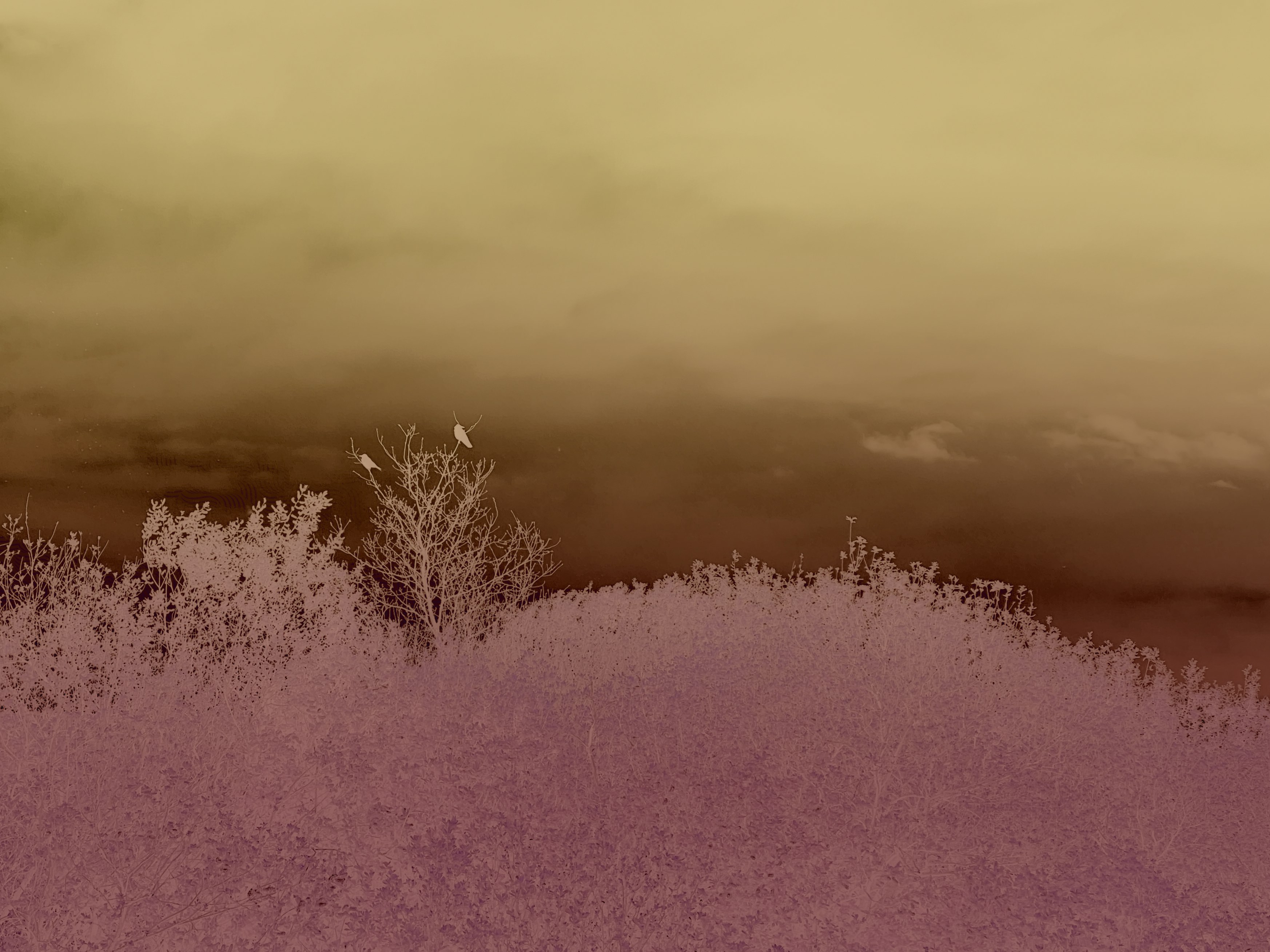
The two birds have found a splendid vantage point. They flew in, settled down, and have now been sitting high and dry for a while, looking around, before continuing on their way shortly. They will leave, but the trees—of which you can only see the tops—will remain standing. And tomorrow too, as well as throughout the coming year. They will outlive both birds and offer generations of offspring the same excellent resting place. What do you see in the photo? The transience of the birds’ rest or the eternal presence of the greenery?
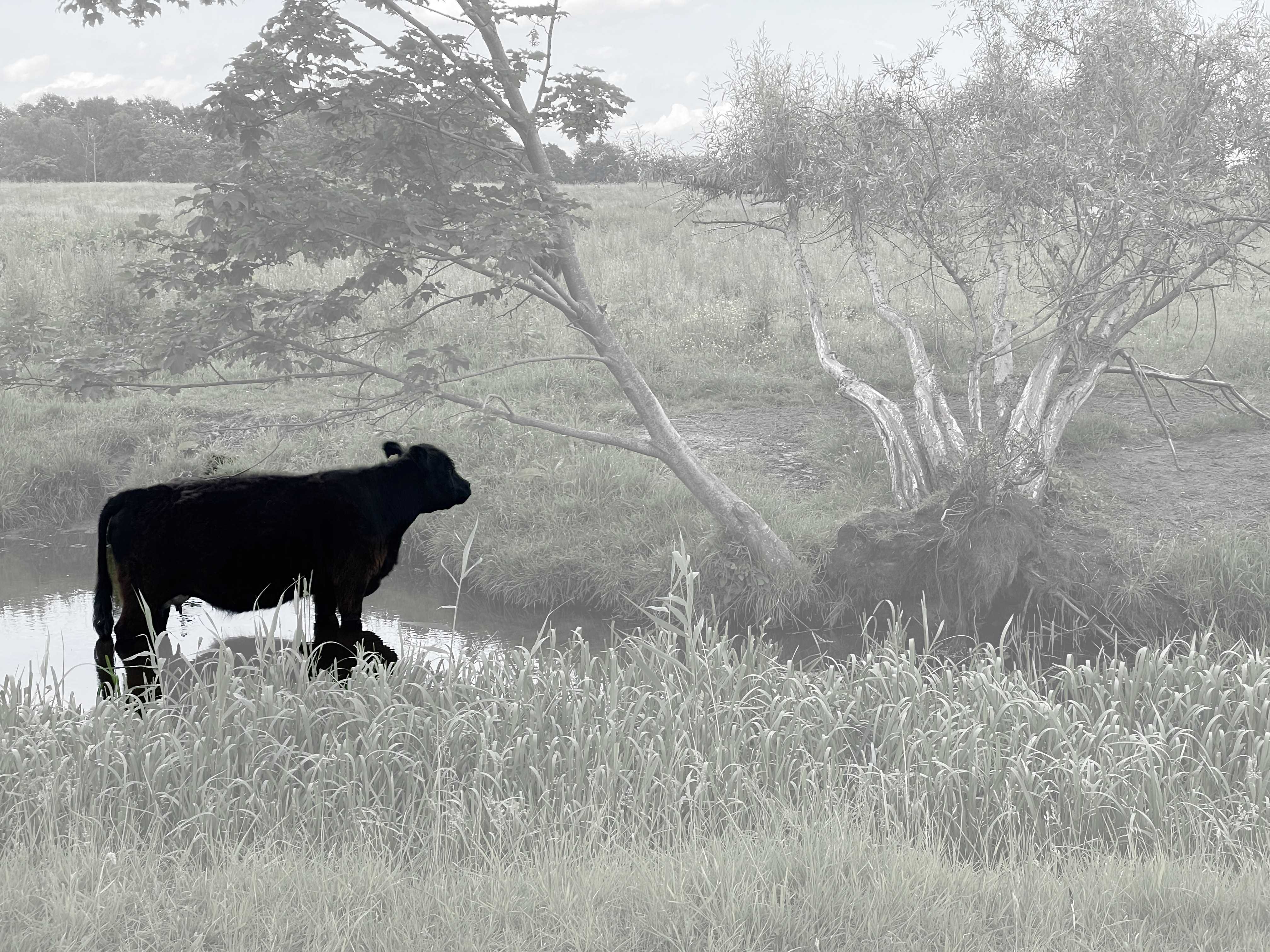
Yes, and where do you start? Do you look at the cow first? Or perhaps the fallen willow? You can still feel the force of the storm and hear the roots snapping and the wood splintering. Even now that the tree lies there, defeated, the action continues to echo and reverberate. And the cow? It stands there, watching, completely still. This photo illustrates the ‘plant blindness’ dilemma.
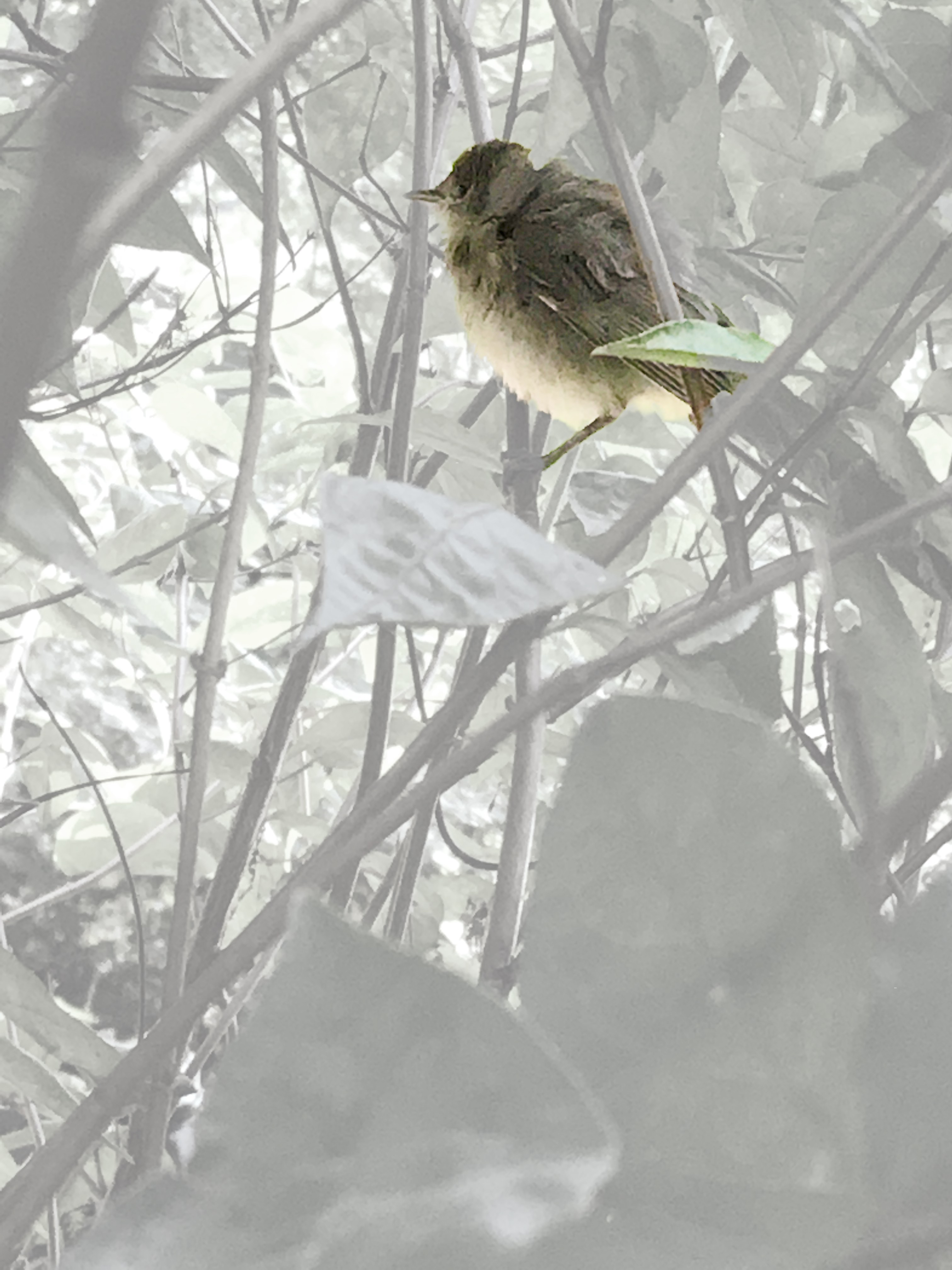
A little blackcap. A green bush. One comes and goes. The other stays.
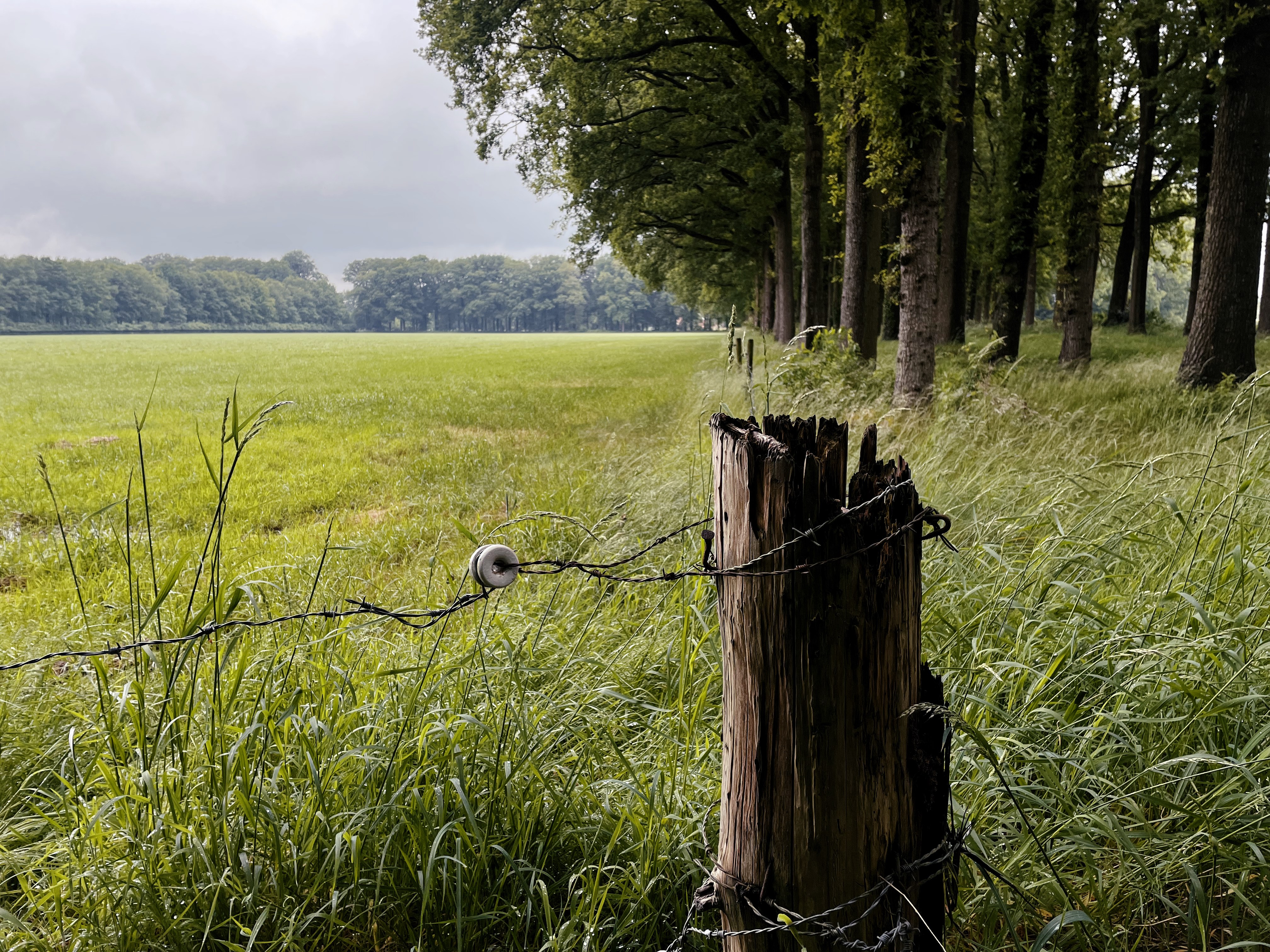
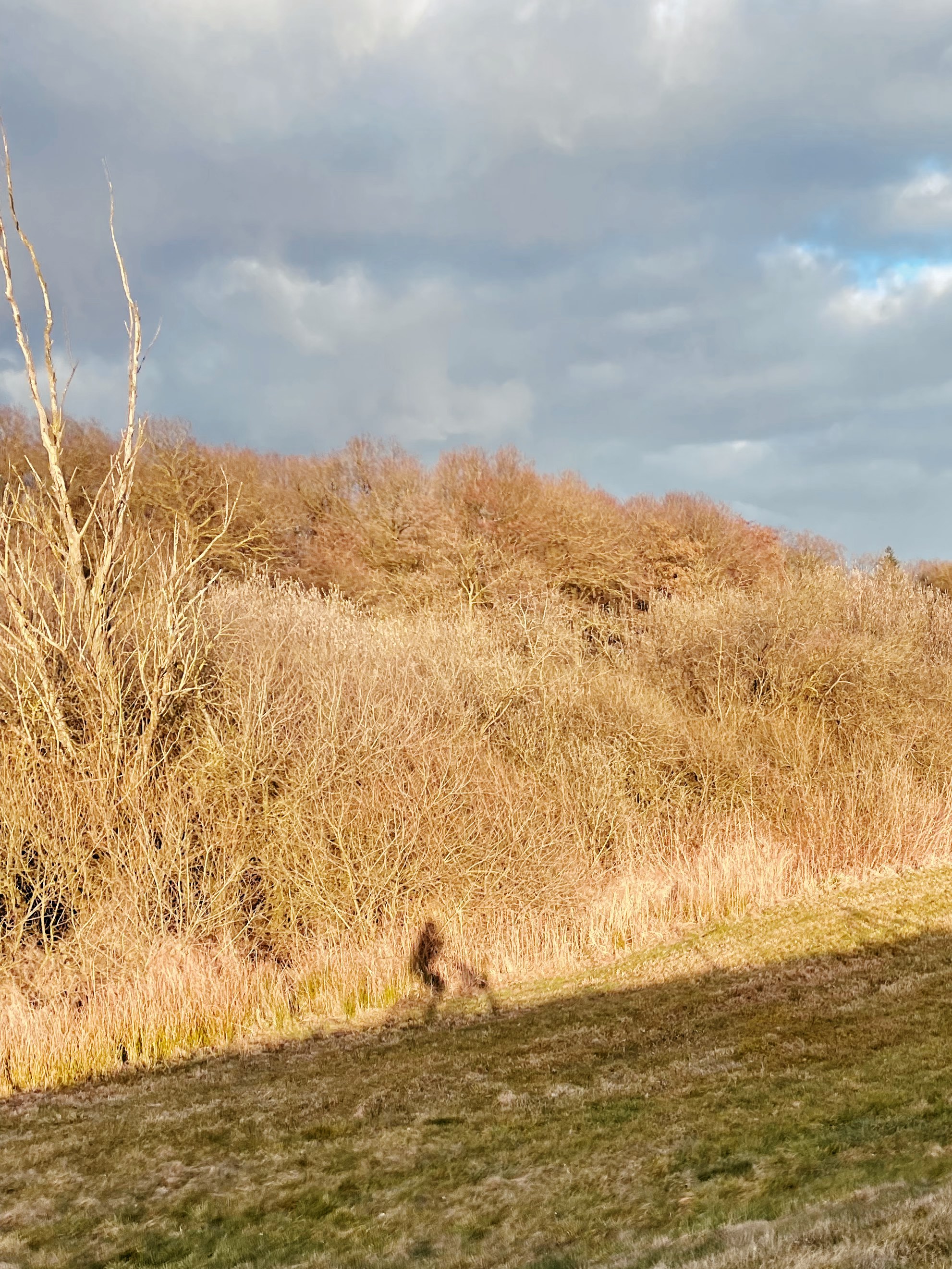
En passant. The barbed wire and the biker will disappear soon.
You can usually develop empathy quite easily by imitating the posture and gestures of the person opposite you. Observe the tree by standing still, just as it does. Its leaves are fully unfurled to catch the sunlight as effectively as possible. Spread your fingers, open your palms, and relax your face.
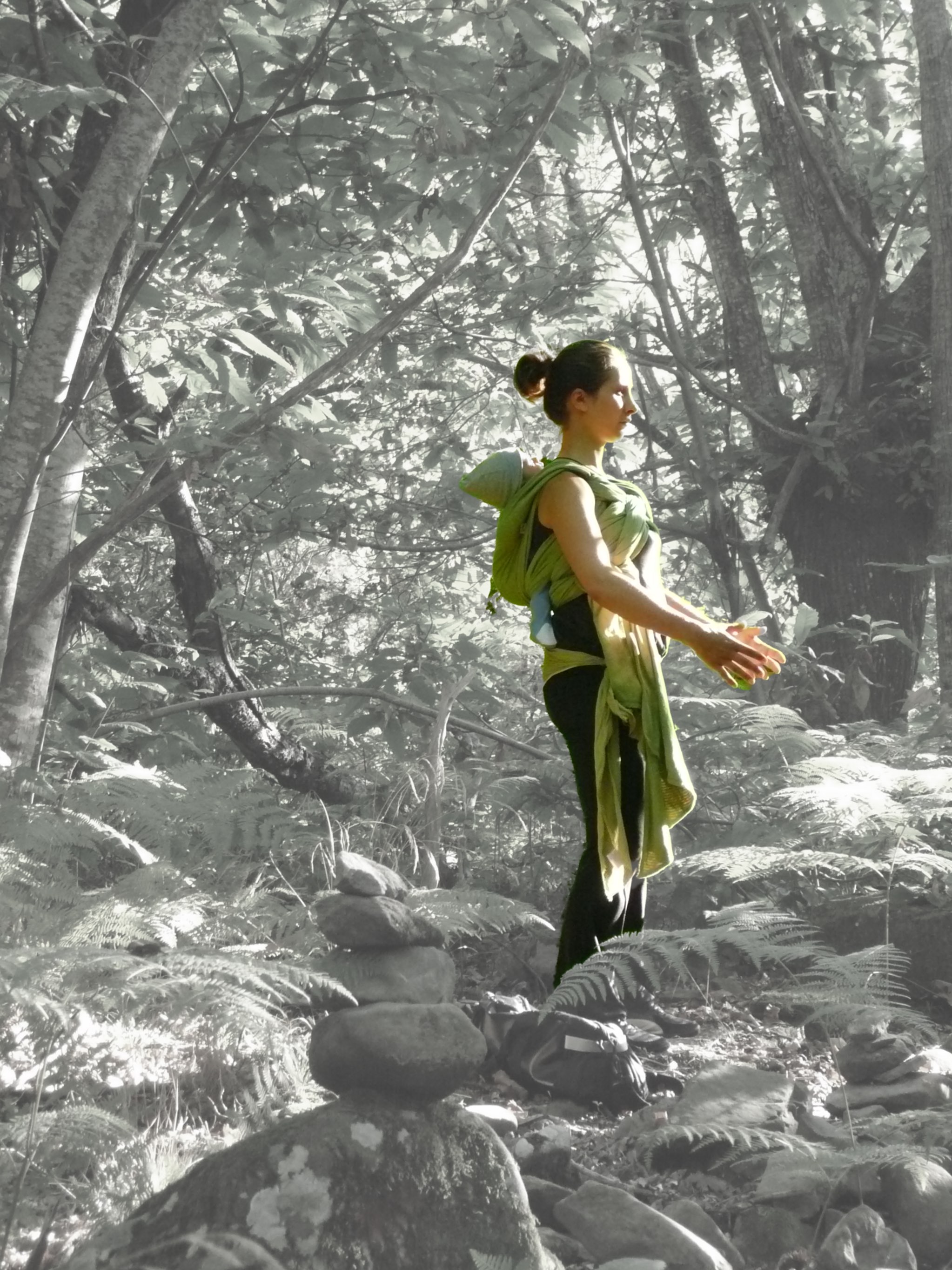
Observe the delicate green leaves and reflect on the wonder of their ability to convert sunlight directly into life and growth. The breathing of a tree and your own breathing – however different they may be in their workings – complement one another; they are two halves of a single circle.
Practising zhan zhuang in the immediate vicinity of trees and plants gives you plenty of time and opportunity to reflect on a form of life that is, in every respect, different from your own. It may even eventually cure you of plant blindness.
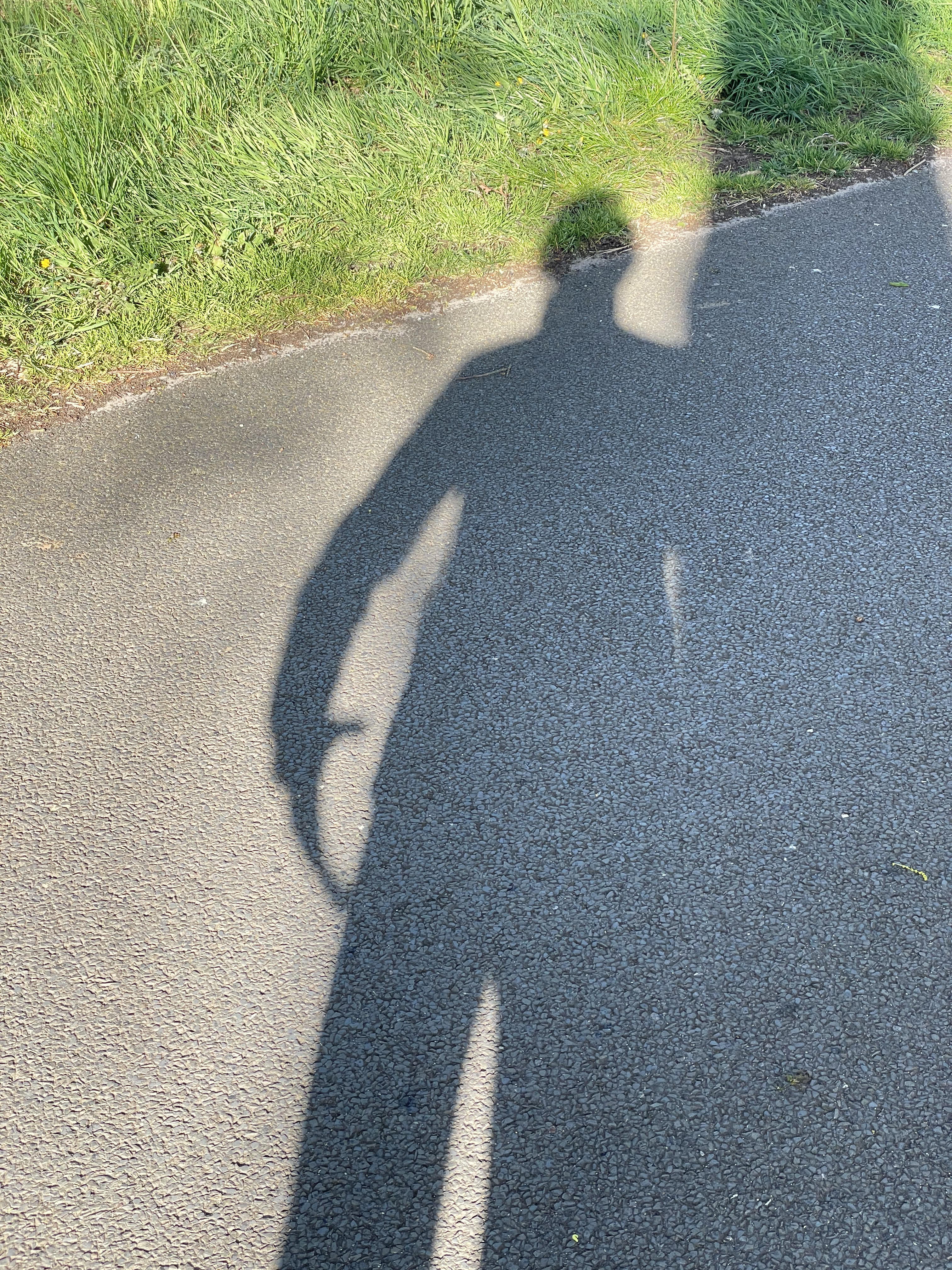
The literal translation of ‘zhan zhuang’ is ‘standing pole’. What inspiration can you draw from following the example of a pole hammered into the ground? Some authors point out that in the distant past, in certain Buddhist monasteries, monks performed standing chi kung training on top of a sawn-off tree stump for a greater challenge in terms of balance and alertness. Zhan zhuang might, in that light, be better translated as ‘standing on a pole’.
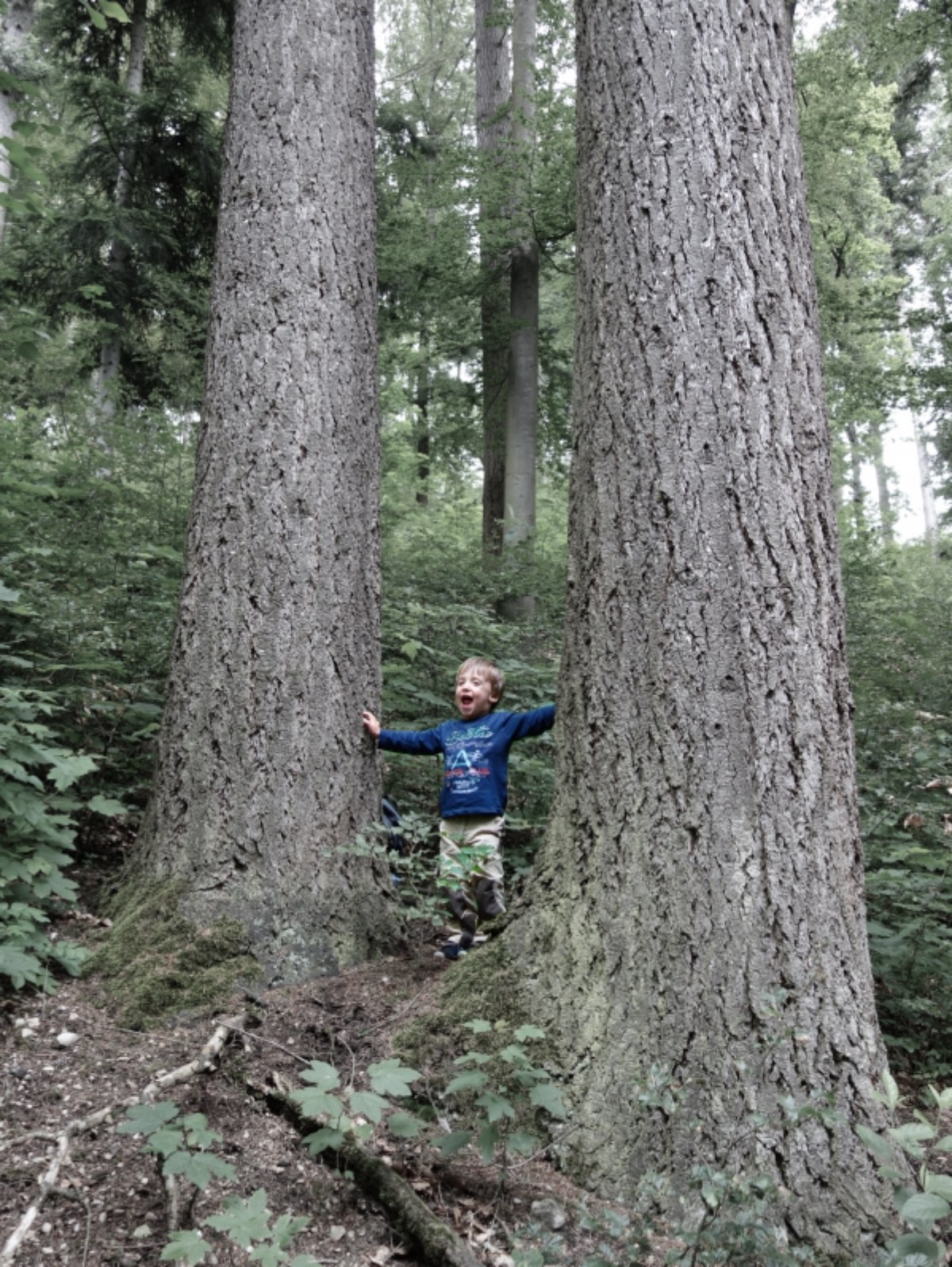
I am unaware of any historical sources that directly link zhan zhuang to the life of trees. Sifu Lam Kam-Chuen popularised zhan zhuang as ‘standing like a tree’ through his lessons and books. Professor Jiao Guo-Rui, who taught in Germany for many years, labelled the wu chi posture as ‘Stehen wie ein Kiefer’, ‘standing like a pine’. What do you think of a perfectly straight Douglas fir as a role model? A worthy totem for the practitioner of the wu-chi posture!
Or did Jiao Guo-Rui have a more robust pine in mind when he used the phrase ‘Stehen wie ein Kiefer’, stand like a pine?
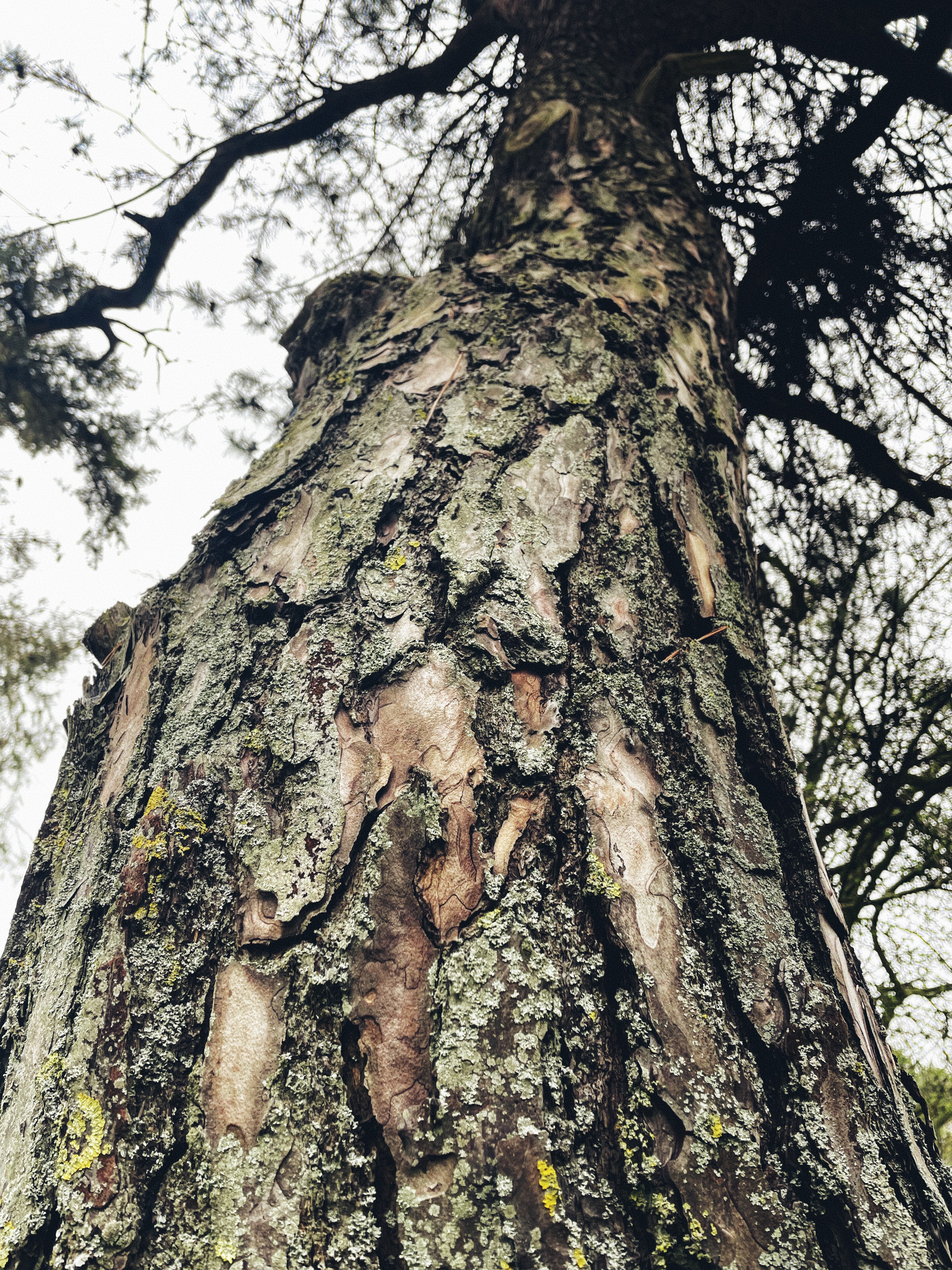
I would suggest choosing your own favourite tree as a model for your zhan zhuang practice. Incidentally, it is high time we cured ourselves of plant blindness. And swapped the hackneyed martial animal totems – bear, lion and eagle – for totems associated with spruce, pine and beech.

'Eight is More Than a Thousand' is built using Ghost, an open-source writing platform. All contributions go directly to the writer. Some of the articles on 8ismeerdan1000 are freely accessible. Another section is available only to paying subscribers. By taking out a paid subscription – which can be for a month or a year – you help to support the progress of the Eight is More Than a Thousand project! For those who would like to read all the posts but cannot currently afford to do so, a brief message is all it takes to gain access.



